2025 CEEC Fall Symposium
The CEEC Fall Symposium will engage attendees with three session topics: 1) Scalable electrochemical tech in real-world settings; 2) Optimal operation of electrochemical devices; and 3) Critical materials: reducing dependence and securing supply chains. Keynote talks on each topic will look toward future challenges, opportunities, and emerging trends, and will be followed by panel discussions that delve into the technical barriers to large-scale deployment. At the end of each session, CEEC PhD students will present highlights from research done in collaboration with our industry partners. A poster session curated by CEEC's 65 PhD students and postdocs will be accessible all day to provide participants with opportunities to dive deeper into CEEC research.
Registration closed Sept 17th; [email protected]
SYMPOSIUM SPEAKERS, PANELISTS and MODERATORS
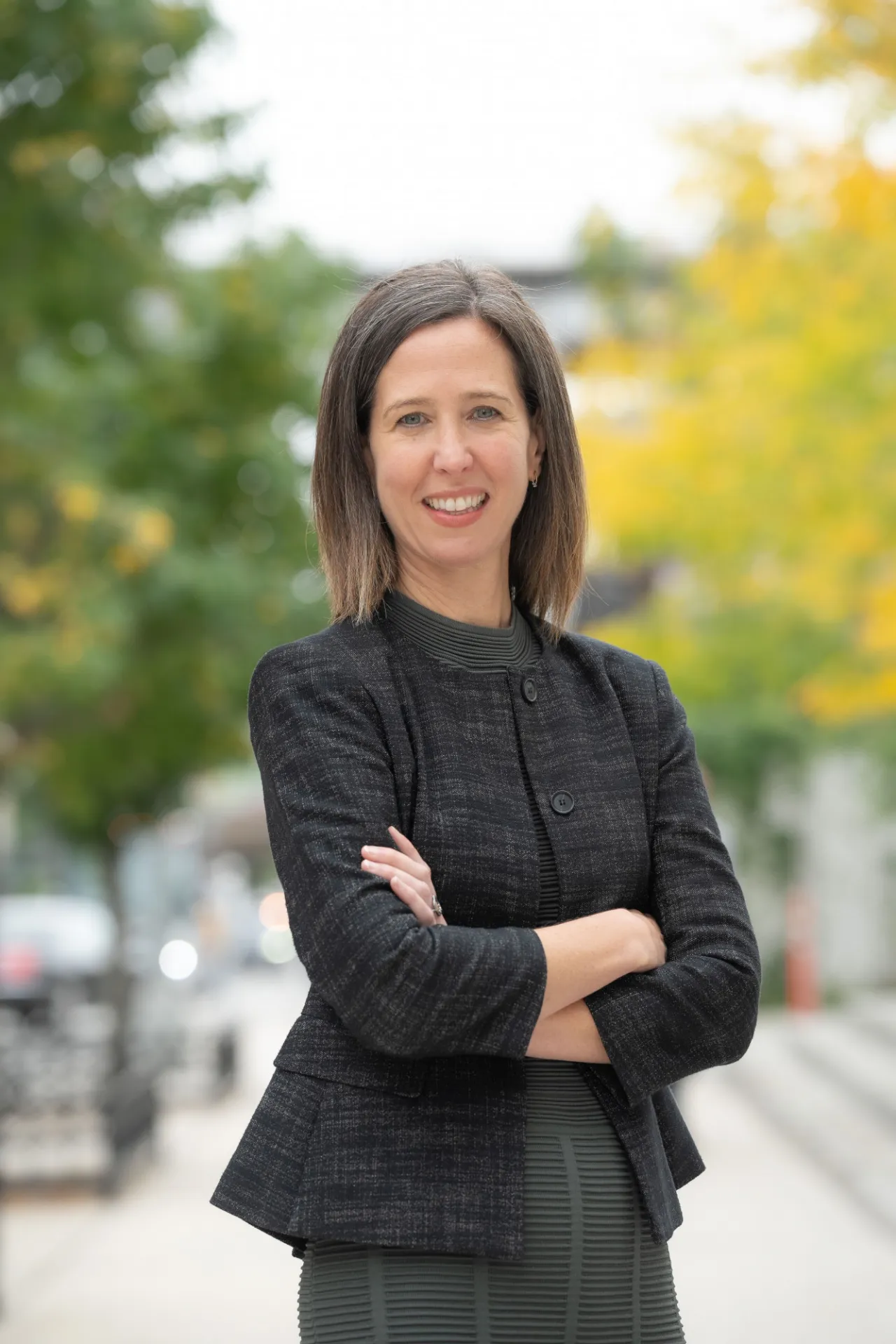
Alexis Abramson is the Dean of the Columbia Climate School and a Professor of Climate. A leading expert in sustainable energy technology, she focuses broadly on thermal transport, from designing nanostructured materials to addressing building energy efficiency. Before joining Columbia in 2025, she was dean of Dartmouth’s Thayer School of Engineering. Abramson also recently served as a Technical Advisor to Breakthrough Energy Ventures, launched by Bill Gates. During the Obama administration, she held the position of Chief Scientist at the U.S. Department of Energy’s Building Technologies Office. Abramson holds engineering degrees from Tufts and a PhD from UC Berkeley.
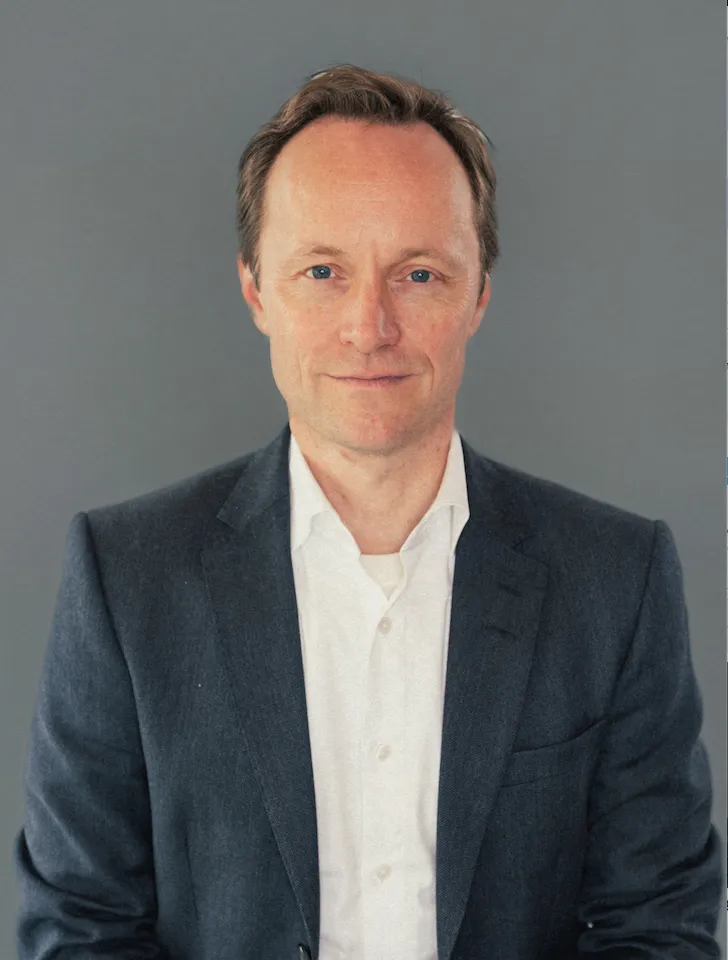
Chief Technology Officer, T1 Energy, Inc.
Dr. Bentzen has 25 years’ experience from senior technology and management roles in research, development, and industrialization of lithium-ion batteries and silicon solar cells and modules. He currently serves as Chief Technology Officer at T1 Energy, Inc. and has previously acted as Vice President of Technology for REC Technology U.S., Inc., based in San Francisco. Before joining T1, Dr. Bentzen co-founded Otovo, Europe’s leading provider of residential solar energy and storage solutions, and the first European company to offer leasing of distributed renewable energy assets for homeowners. Dr. Bentzen holds a Ph.D in Physics from the University of Oslo.
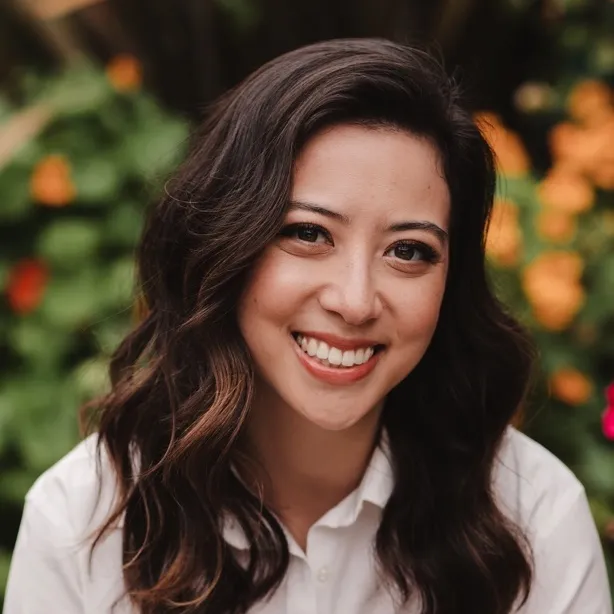
Advisor, Lowercarbon Capital
Dr. Christina Chang is an Advisor at Lowercarbon Capital, the multi-billion-dollar VC firm backing companies that profitably fix the planet. As a Partner at Lowercarbon, she led investments from pre-seed to Series B across cement, catalysis, fuels, chemicals, steel, batteries, geothermal, and critical minerals.
Previously at the U.S. Department of Energy’s ARPA-E, she helped launch $80M in funding for sustainable manufacturing of commodities including iron and steel.
Dr. Chang earned her PhD in chemistry at Harvard, was a Marshall Scholar at Cambridge and Imperial College London, and graduated summa cum laude from Princeton.
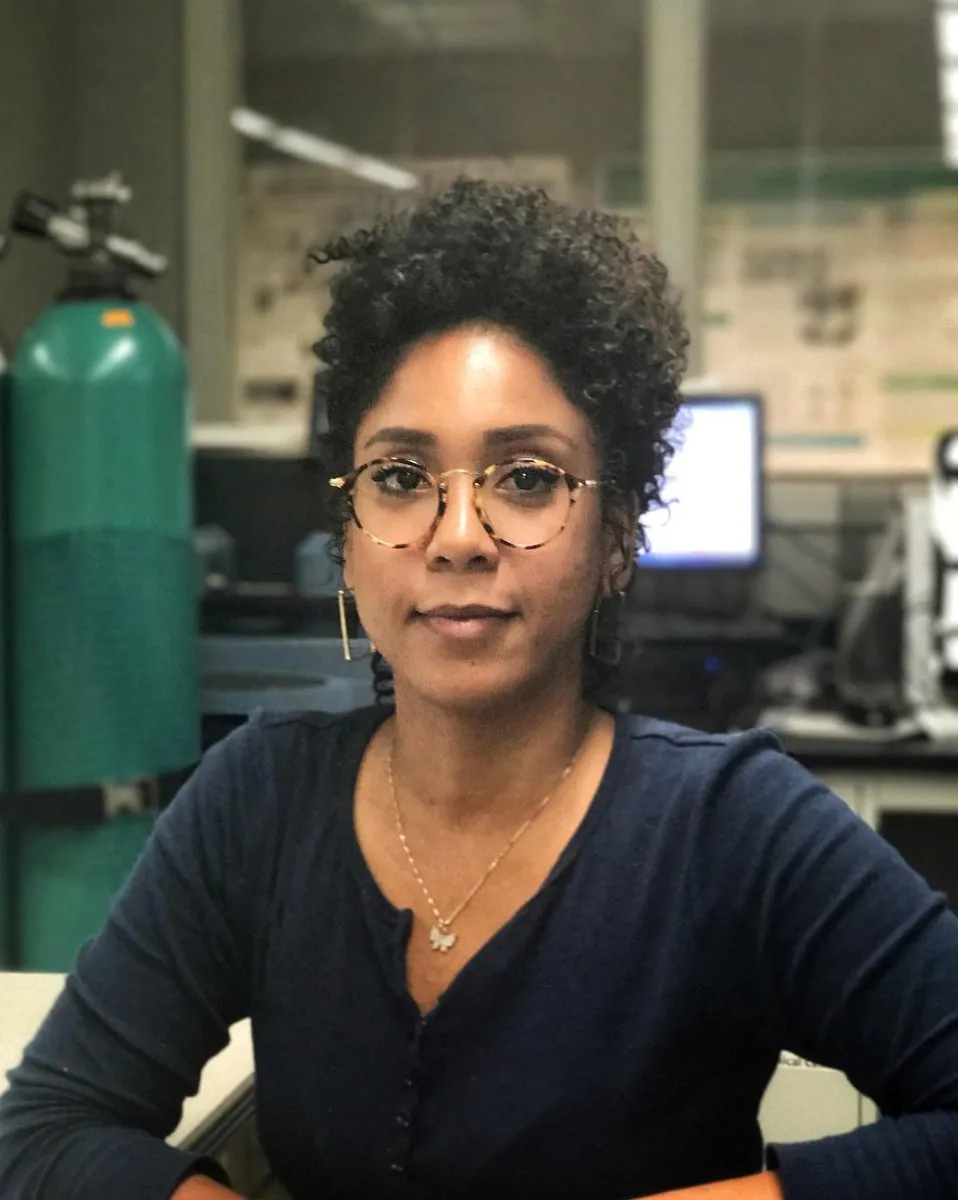
Juliana Carneiro is an Assistant Professor in Chemical Engineering with research interest in electrocatalysis for electrochemical conversion and separation processes. She obtained her Ph.D. in Chemical Engineering from Wayne State University in 2019 and worked as a postdoctoral research fellow at the Georgia Institute of Technology prior to joining Columbia in 2023. Juliana's research interests include capturing and storing or utilizing CO2 from oceans or atmosphere and the electrochemical recycling/upcycling of post-consumer plastics. She has received several awards for her work, including the Ralph H. Kummler Award and the Women's Initiatives Committee's AIChE Travel Award.
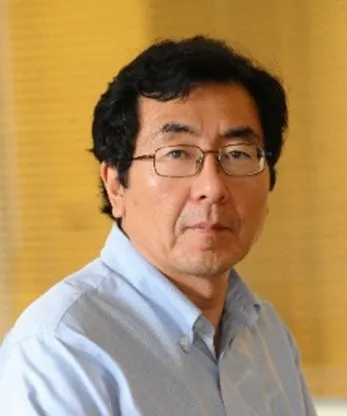
Jingguang Chen is the Thayer Lindsley Professor of Chemical Engineering at Columbia University, with a joint appointment at Brookhaven National Laboratory. He is the co-author of over 500 journal publications and over 20 United States patents. He is currently the President of the North American Catalysis Society. He is a member of the National Academy of Engineering.
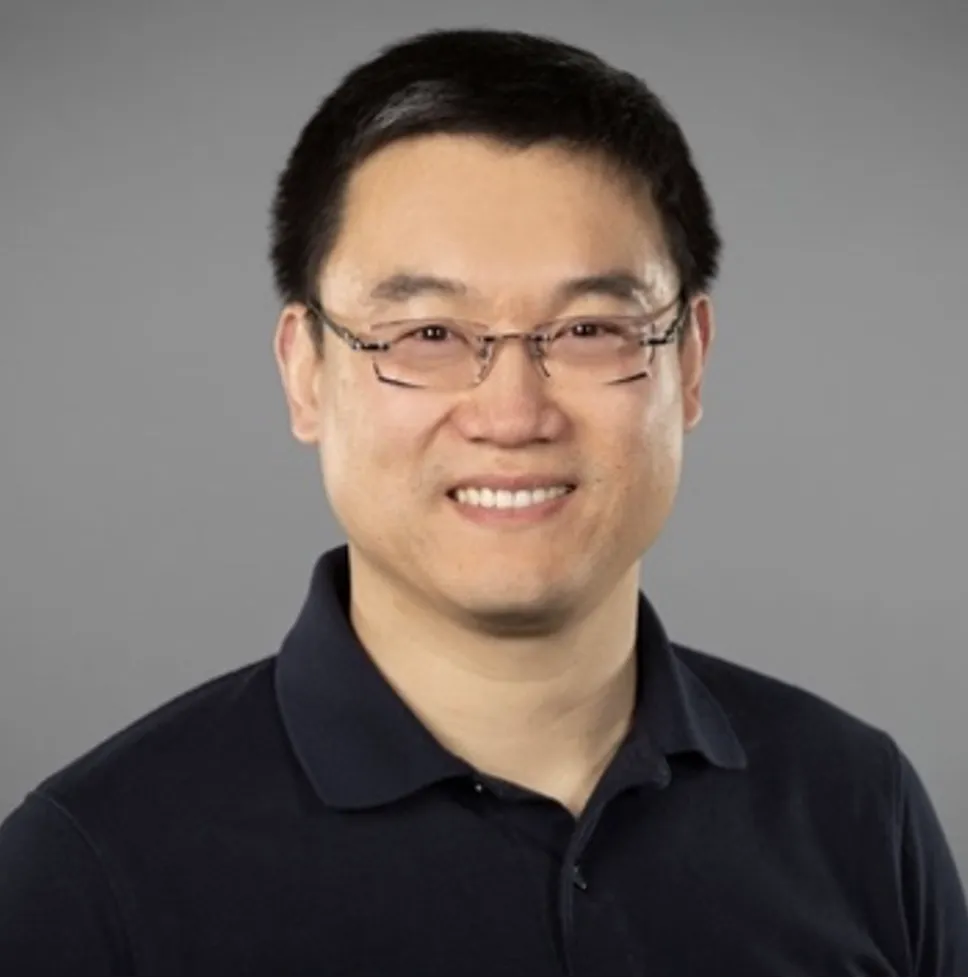
Dr. Pengbo Chu is a Nevada Gold Mines Professor and Associate Professor at the Department of Mining and Metallurgical Engineering at University of Nevada, Reno. His research interest in mineral processing, particularly with rare earth minerals, lithium, nickel, and copper. His research motivation is to develop innovative extraction technologies using an interdisciplinary approach to enable resource recovery from both primary and secondary resources. Dr. Chu obtained his Ph.D. in Materials Engineering, M.Eng and B.Eng in Mechanical Engineering from McGill University in Montreal, Quebec, Canada

Vice Dean of Research for Columbia Engineering; Santiago and Robertina Calatrava Family Professor of Civil Engineering and Engineering Mechanics; Professor of Earth and Environmental Engineering
Professor George Deodatis is the Vice Dean of Research for Columbia Engineering, the Santiago and Robertina Calatrava Family Professor in the Department of Civil Engineering and Engineering Mechanics, as well as Professor of Earth and Environmental Engineering. He started his academic career at Princeton University and joined Columbia University in 2002, serving as chair of his department from 2013 to 2019 (two terms).
Professor Deodatis’ research interests are in the area of probabilistic methods in civil engineering and engineering mechanics, with emphasis on risk analysis and risk management of the civil infrastructure subjected to natural and man-made hazards such as earthquakes, floods, and climate change.
Among his many awards are the National Science Foundation Young Investigator Award and the American Society of Civil Engineers Walter Huber Research Award, and more recently, the 2024 EMI Alfred M. Freudenthal Medal. He is a Distinguished Member of the American Society of Civil Engineers and a Fellow of the Engineering Mechanics Institute of the American Society of Civil Engineers. At Columbia University, he has received the Presidential Award for Outstanding Teaching and the Great Teacher Award from the Society of Columbia Graduates, Columbia's highest teaching honors. He received his bachelor’s degree in Civil Engineering from the National Technical University of Athens in Greece and MS and PhD degrees in Civil Engineering from Columbia University.
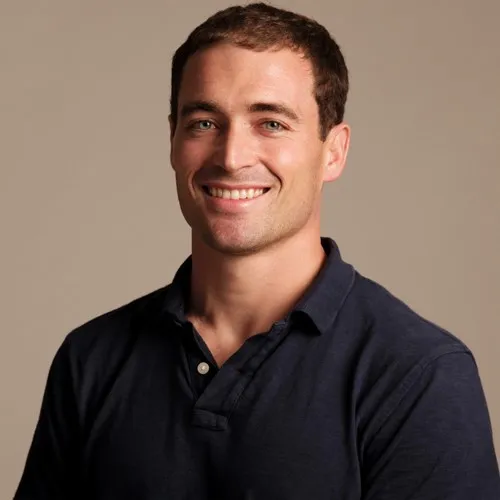
Daniel Esposito received his Ph.D. in Chemical Engineering from the University of Delaware and studied as a postdoctoral research associate at the National Institute of Standards and Technology. He is now an Associate Professor in Chemical Engineering and a core member of the Columbia Electrochemical Energy Center. His group’s research interests relate broadly to electrochemistry for clean energy applications, including but not limited to electrolyzers, fuel cells, and solar fuels generators. Esposito was named a Scialog Fellow in Advanced Energy Storage, an NSF CAREER award winner, and is a co-founder and advisor of the start-up company sHYp BV PBC.
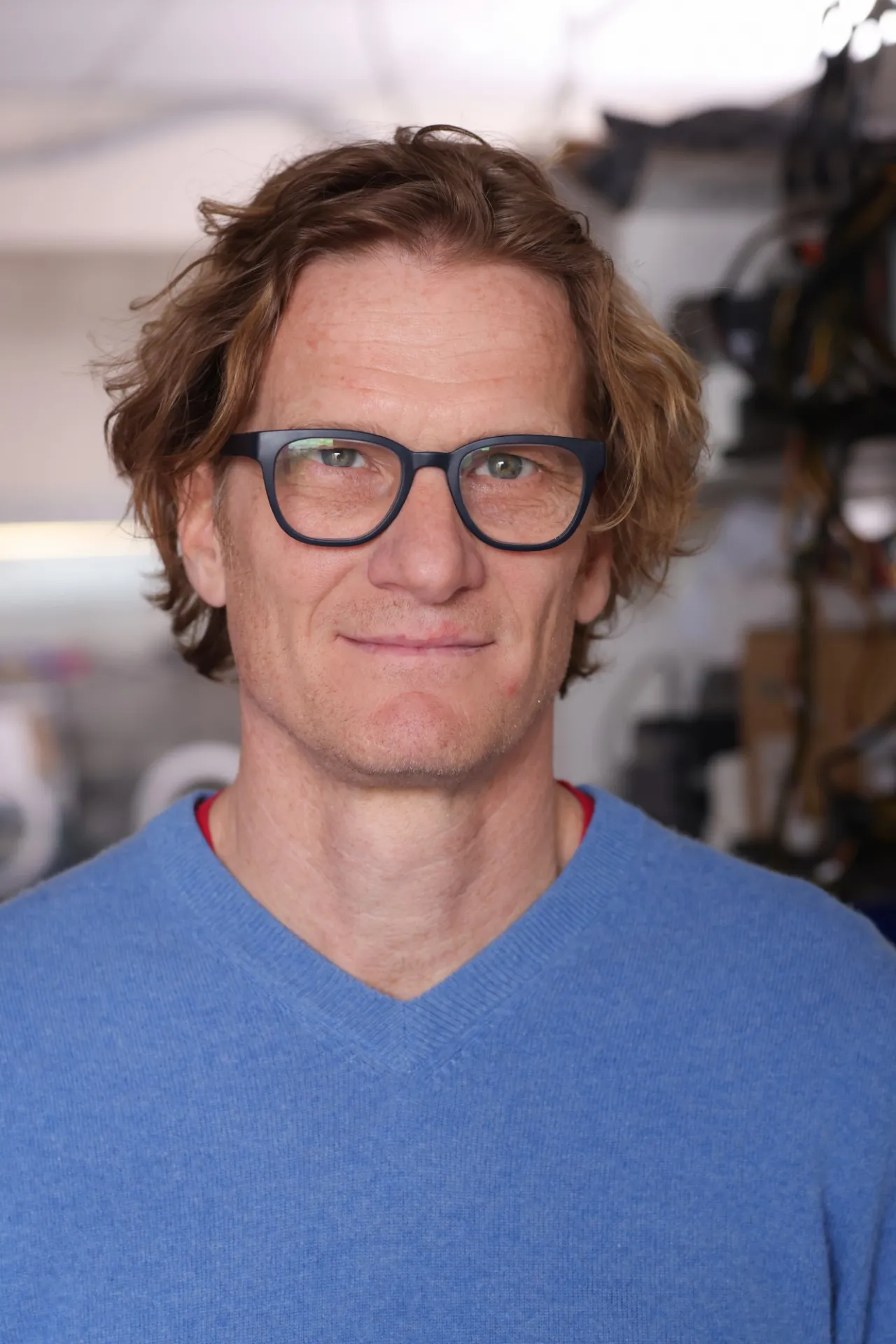
Jeff Fitts is the Executive Director of the Columbia Electrochemical Energy Center and a Research Scientist in the Department of Chemical Engineering. He develops industry sponsored research projects with CEEC core faculty aimed at accelerating the adoption of energy storage and conversion technologies. His research collaboration focuses on sustainable processing and recycling of critical materials.
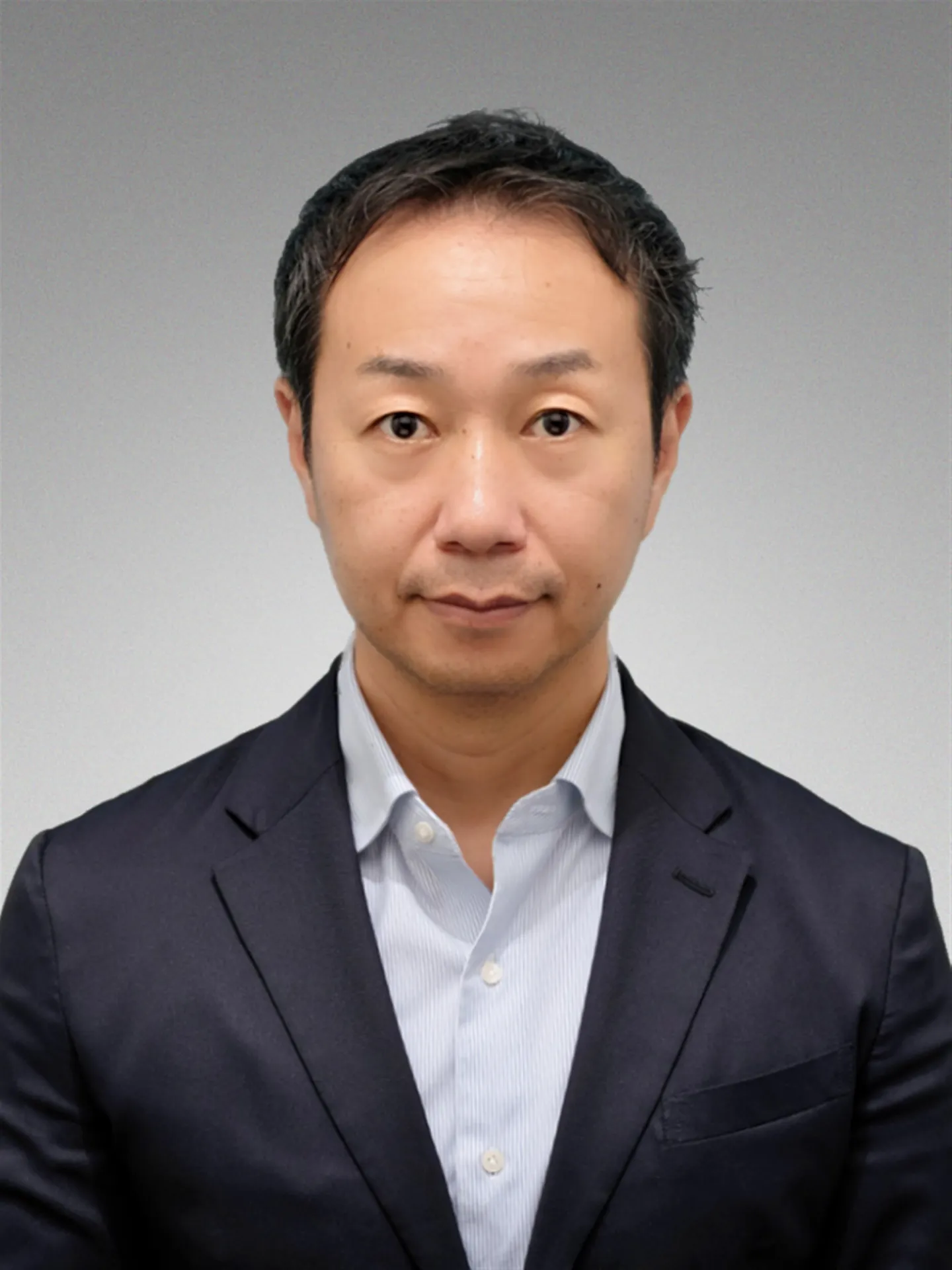
Principal Engineer, JX Advanced Metals Corporation
I have over 15 years of experience in material development, including various powders and copper foils for semiconductor and information & communication technology applications. My work has focused on creating materials that enhance performance and reliability in these fields. Currently, I am leveraging this background to explore and plan new business opportunities in advanced materials.
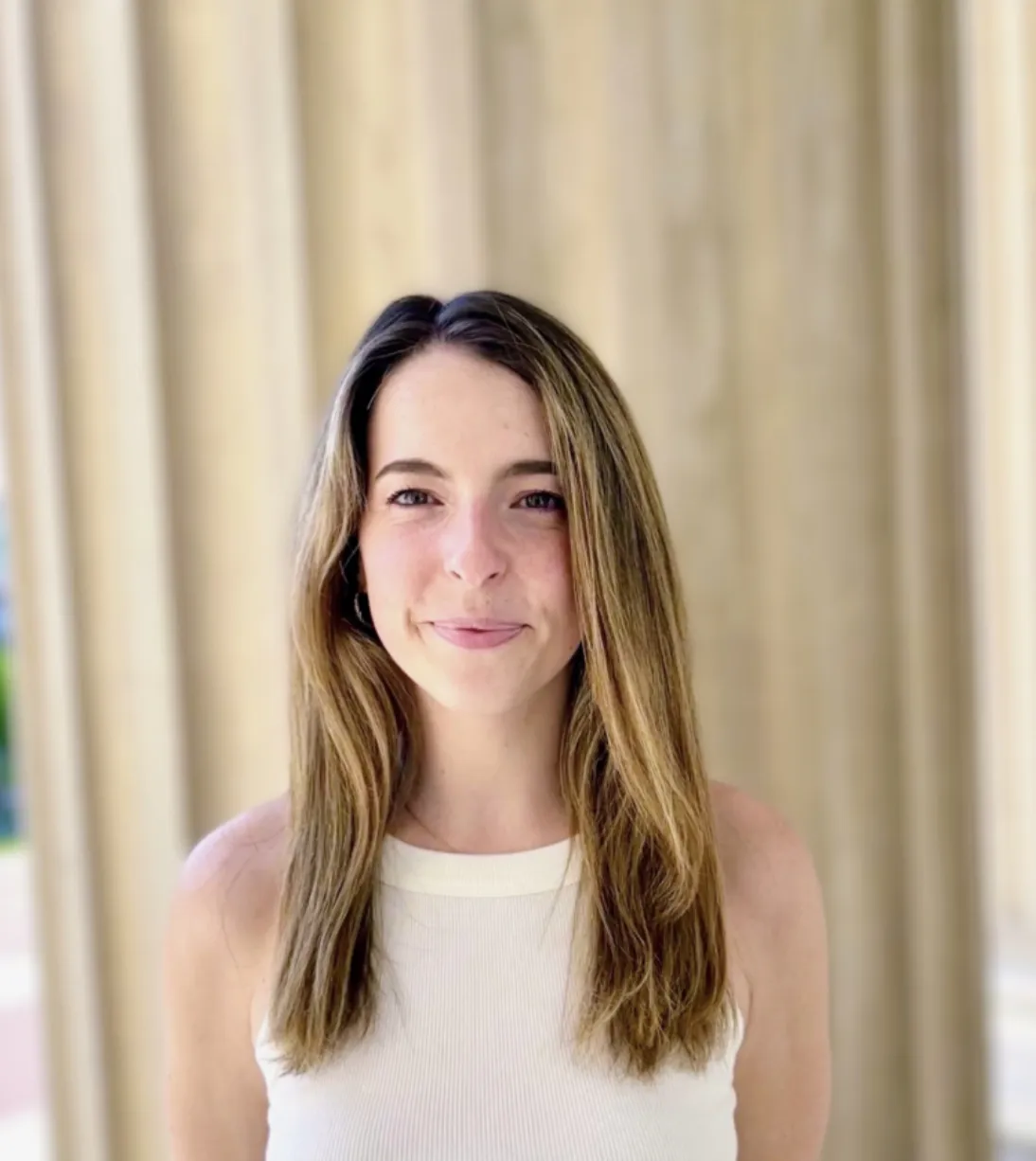
Lead Scientist, Thalo Labs
Julia Hestenes completed her PhD in May 2024 in the Marbella Lab here at CEEC, where she investigated degradation modes of cobalt-free Li-ion cathodes as an NSF Graduate Research Fellow. She then joined Thalo Labs to lead R&D for Thalo’s direct air carbon capture and utilization technologies, working to turn cities into carbon sinks. Since joining, she has led the first carbon capture deployment at a U.S. airport, launched this year at Newark Liberty International Airport, to pilot capture-to-concrete with the Port Authority of NY & NJ’s Clean Concrete Program. She is also leading a project in collaboration with Columbia’s CarbonTech Development Initiative and NYSERDA to electrify production of mineral sorbents for carbon capture.
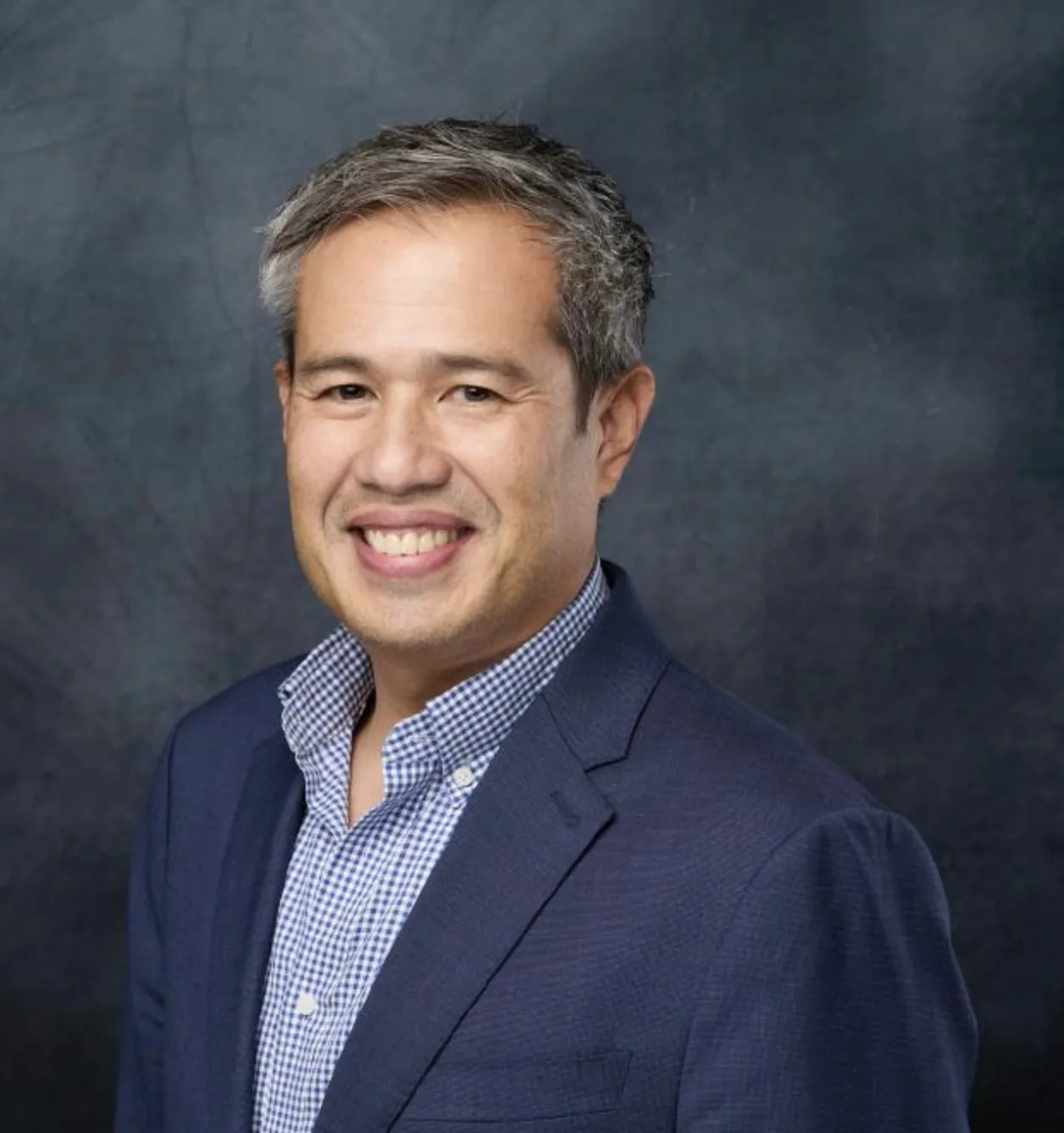
CEO, Tyfast Energy Corp
G.J. la O’, Ph.D. is Co-founder and CEO at Tyfast. Before Tyfast, he spent a decade leading technology development, scaling and commercialization of flow battery energy storage systems at Primus Power. The company raised over $100M in VC and deployed over a dozen grid-scale battery systems worldwide. At Tyfast, he leads fundraising, government and commercial business development for the novel lithium vanadium oxide (LVO) anode. LVO unlocks diesel-grade battery performance for heavy-duty vehicles in commercial and defense sectors to enable 40-80% fuel savings annually without compromising vehicle productivity and durability. G.J. has over 20 patents issued and received his B.S and Ph.D. in Materials Science and Engineering from Berkeley and MIT, respectively.
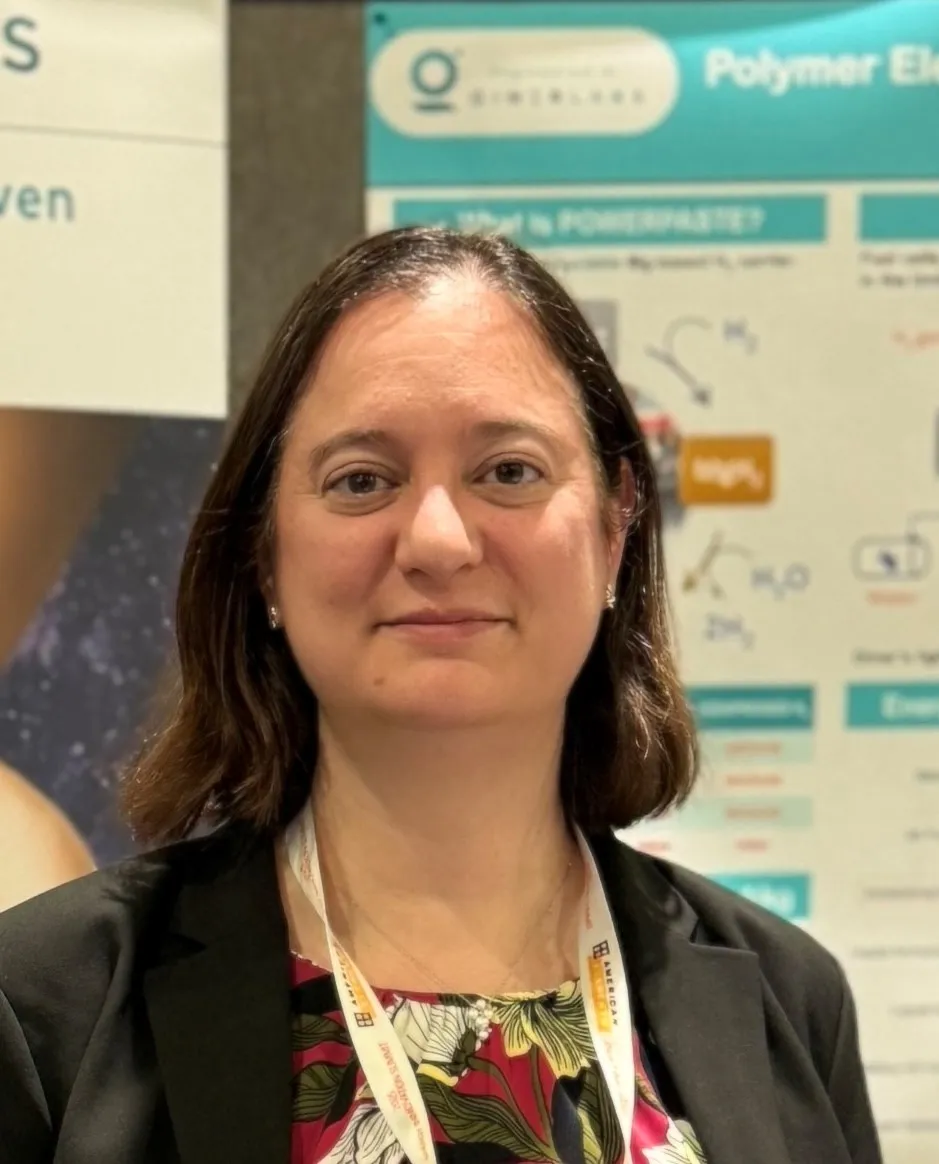
Director, Energy Conversion Technologies, Giner Labs
Judith Lattimer received her PhD in Chemistry from Caltech studying photoelectrochemical systems for water splitting, followed by postdoctoral research at Harvard working on oxidation catalysts and reactor design. She has been with Giner Labs in Newton, MA for 7 years and currently manages a team of 10 working on next-generation water electrolyzers and fuel cells, carbon capture and conversion technologies, alternative energy storage systems, and integration with renewables.
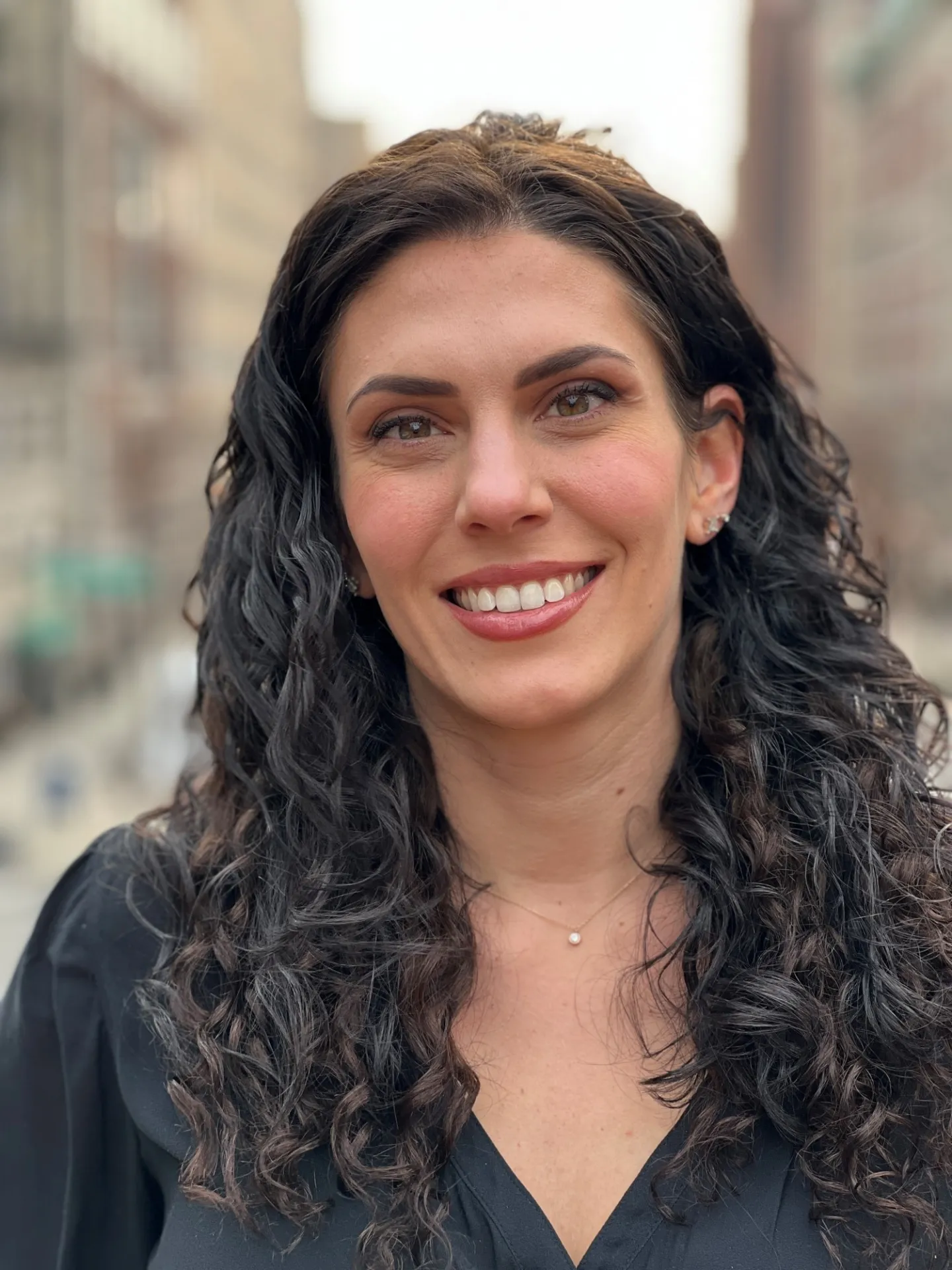
Lauren Marbella is an Associate Professor in the Department of Chemical Engineering at Columbia University. Her research group focuses on understanding the relationship between electrochemical performance and interfacial chemistry in devices for energy storage and conversion. Marbella’s research has received numerous awards including the ASME Rising Star of Mechanical Engineering Award (2024), ACS Materials Au Rising Stars in Materials Research Award (2022), Cottrell Scholar Award (2022), the National Science Foundation (NSF) Faculty Early Career Development (CAREER) Award (2021), and the Scialog Collaborative Innovation Award for Advanced Energy Storage (Sloan Foundation, 2019).
She received her PhD in chemistry from the University of Pittsburgh in 2016, under the direction of Prof. Jill Millstone. In 2017, she was named a Marie Curie Postdoctoral Fellow at the University of Cambridge in the group of Prof. Clare Grey. There, she was also named the Charles and Katharine Darwin Research Fellow, which recognizes the top junior fellow at Darwin College at the University of Cambridge. She joined the chemical engineering faculty at Columbia University in 2018.
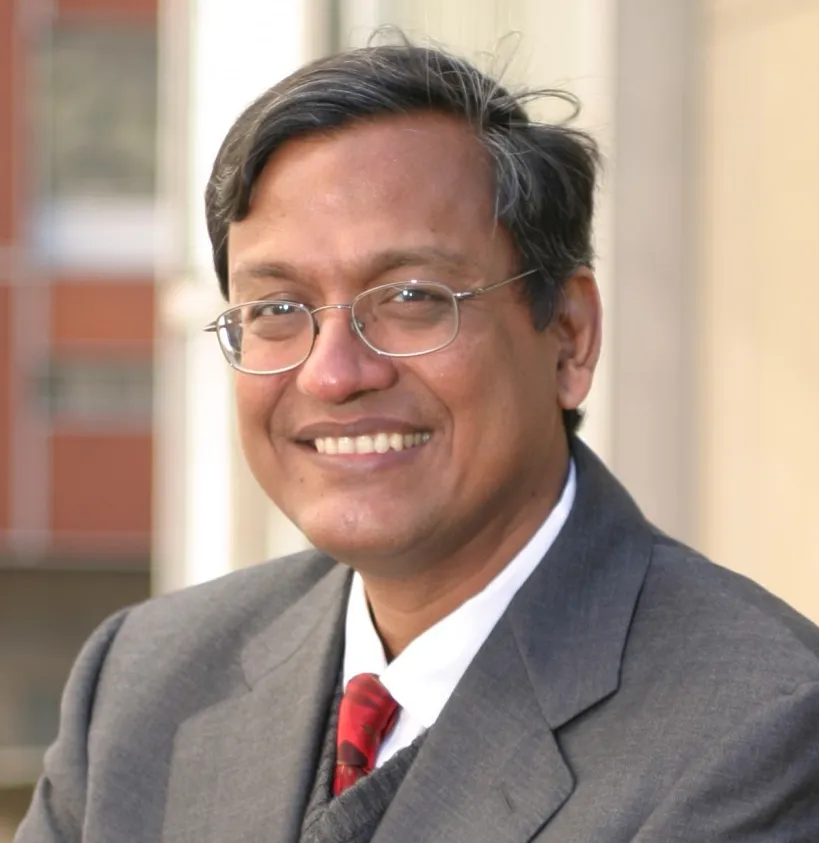
Vijay Modi is a Professor in Columbia University’s Department of Mechanical Engineering, a core faculty in the Columbia Electrochemical Energy Center, and also a member of the Earth and Data Science Institutes and Climate School’s faculty. He directs the Quadracci Sustainable Engineering Laboratory (QSEL). Prof. Modi’s areas of expertise are energy resources and energy conversion technologies. He has more than 30 years of experience in energy resources/conversion applied research, including thermal power generation, gas turbines, solar and wind technologies. In the last decade his laboratory has carried out pioneering work in digital mini-grids that integrate electricity supply/demand monitoring, dynamic allocation of energy/power resources to individual customers and the use of Internet of Things (IoT) for account management.

Managing Director, Clareo
Satish Rao is a Managing Director at Clareo and a trusted advisor to global leaders in energy and mining, including clients such as BHP, Rio Tinto, Teck, Metso, Weir, Baker Hughes, and BP. He helps companies drive innovation, strategy, and sustainability across the value chain from exploration to tailings. Satish helps foster collaboration across tech companies, startups, and corporate R&D and innovation, and speaks frequently on these topics at industry events such as PDAC, IMARC, and the World Mining Congress. He holds an MBA from Kellogg (Northwestern), and MS/BE degrees in computer science and engineering.
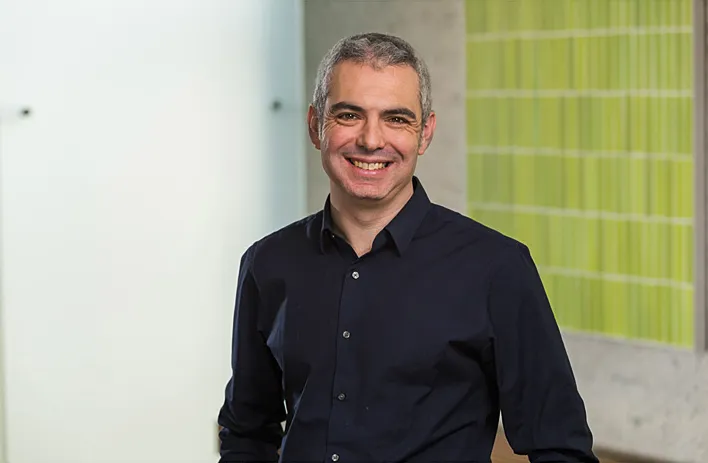
Daniel Steingart is the Stanley Thompson Professor of Chemical Metallurgy and Chemical Engineering, Chair of the Department of Earth and Environmental Engineering, and the co-director of the Columbia Electrochemical Energy Center. His group studies the systematic behaviors of material deposition, conversion, and dissolution in electrochemical reactors with a focus on energy storage devices. His current research looks to exploit traditional failure mechanisms and interactions in batteries and materials productions, turning unwanted behaviors into beneficial mechanisms.
His efforts in this area over the last decade have been adopted by various industries and have led directly or indirectly to seven electrochemical energy related startup companies, the latest being Standard Potential, Innate Energy, and Liminal. Steingart joined Columbia Engineering in 2019 from Princeton University where he was an associate professor in the department of mechanical and aerospace engineering and the Andlinger Center for Energy and the Environment. Earlier, he was an assistant professor in chemical engineering at the City College of the City University of New York. Even earlier he was an engineer at two energy related startups. He received his PhD from the University of California, Berkeley, in 2006.

Alex Urban is an Associate Professor of Chemical Engineering and a core faculty-member of the Columbia Electrochemical Energy Center (CEEC) and the Columbia Center for Computational Electrochemistry (CCCE). Prior to joining the Department of Chemical Engineering at Columbia University in 2019, Alex was an independent University Fellow at the University of St Andrews, UK. He obtained his PhD from FAU Erlangen-Nuremberg in Germany and conducted postdoctoral research at MIT and UC Berkeley. Alex has been named a Scialog Fellow for Advanced Energy Storage by the Research Corporation for Science Advancement in 2019 and received a CAREER award of the National Science Foundation in 2024. His research interests are in understanding and discovering materials and processes for clean-energy applications using atomic-scale modeling and data science methods.
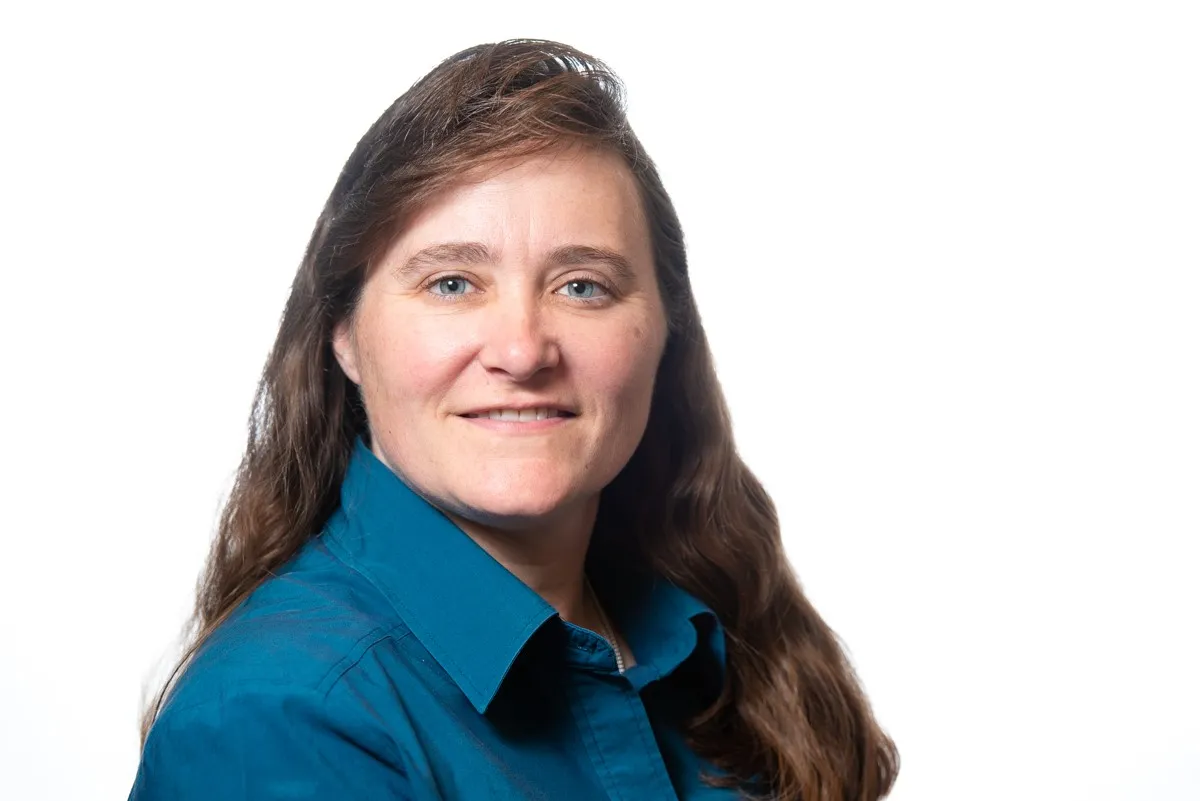
Strategic Program Manager, Copper R&D, Rio Tinto
Dr. Dawn M. Wellman is a seasoned leader with nearly 30 years of experience in research, development, and strategic innovation across federal agencies and private industry. As Manager of Strategic Programs at Rio Tinto Copper R&D, she leads initiatives in critical mineral production, tailings and water management, and copper technologies. Previously, she held leadership roles at Pacific Northwest National Laboratory and served as Chief Scientist for the U.S. Department of Energy Office of Environmental Management. With a Ph.D. in Chemistry and over 125 publications, she is recognized for aligning science with policy and advancing organizational strategy.
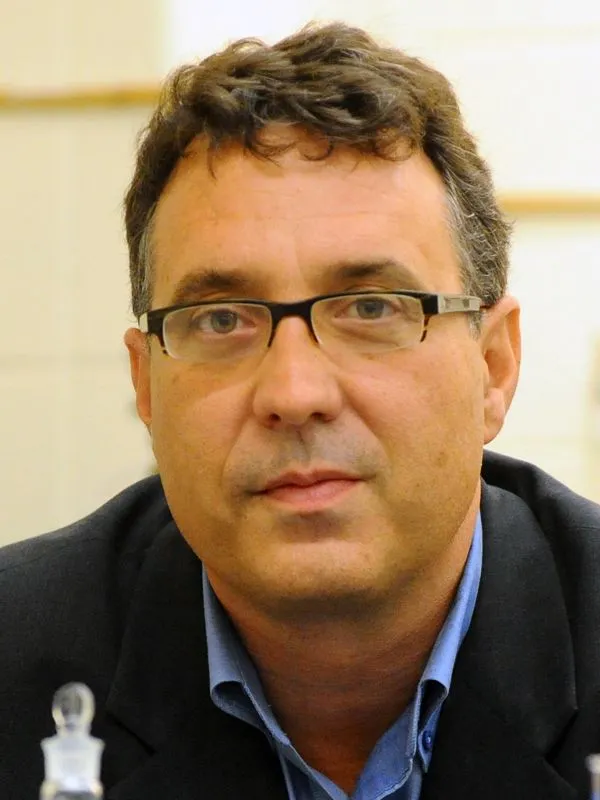
Alan West received his PhD in Chemical Engineering from the University of California and his BS from Case Western Reserve University. He is the co-director of the Columbia Electrochemical Energy Center and is the Samuel Ruben-Peter G. Viele Professor of Electrochemistry, with appointments in the Department of Chemical Engineering and the Department of Earth and Environmental Engineering. His research interests include batteries, electrochemical synthesis, fuel cells, and hydrometallurgical extraction of critical materials.
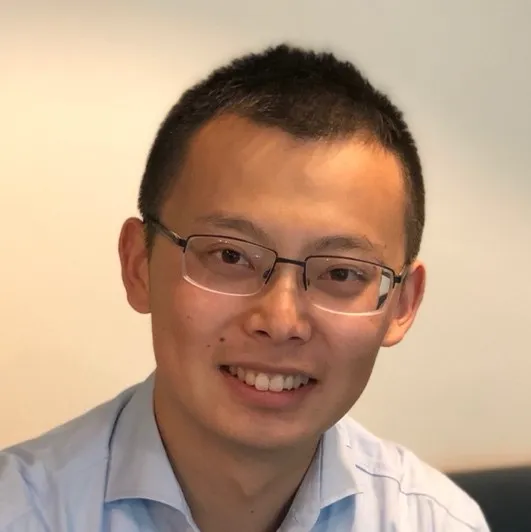
Bolun Xu is an assistant professor at Columbia University, Department of Earth and Environmental Engineering, with affiliation in the Department of Electrical Engineering, and a core faculty in Columbia Electrochemical Energy Center. His research interests include electricity markets, energy storage, power system optimization, and power system economics. He received Ph.D. degree from University of Washington, Seattle, U.S. in 2018 in Electrical Engineering. Before joining Columbia, he was a postdoc at MIT joint hosted by MIT Energy Initiative and Lab for Information and Decision Systems. He was a recipient of the NSF CAREER award and the IISE Energy Systems Division Young Investigator Award.
Lightning Talk Presenters and Abstracts

Title: Designing Electrocatalysts for Efficient and Sustainable Seawater Electrolysis
Bio: Daniela Asifiwe Bushiri is a fifth-year PhD student in Chemical Engineering at Columbia University, co-advised by Dr. Jingguang Chen and Dr. Daniel Esposito. Her research focuses on designing electrocatalysts for sustainable hydrogen and ammonia production, with a current emphasis on green hydrogen from seawater electrolysis. She has published in leading journals, including Angewandte Chemie, ChemSusChem, and ACS Applied Energy Materials.
Before Columbia, Daniela earned her B.S. in Chemical Engineering from the New Jersey Institute of Technology, where she was named the Madame Mau Outstanding Female Engineering Student. During her undergraduate studies, she completed engineering internships with ExxonMobil, Infinitum, and the Refinery Automation Institute, gaining hands-on experience across the oil and gas sector.
In addition to her academic work, Daniela has built experience at the intersection of clean energy innovation and investment. Her overall contributions have been recognized with the NSF Graduate Research Fellowship, Provost Doctoral Fellowship, David Leuschen Global Energy Fellowship, and an honorable mention for the 2025 Kokes Award. She is also passionate about advancing energy equity in Africa and supporting women and underrepresented groups in STEM.
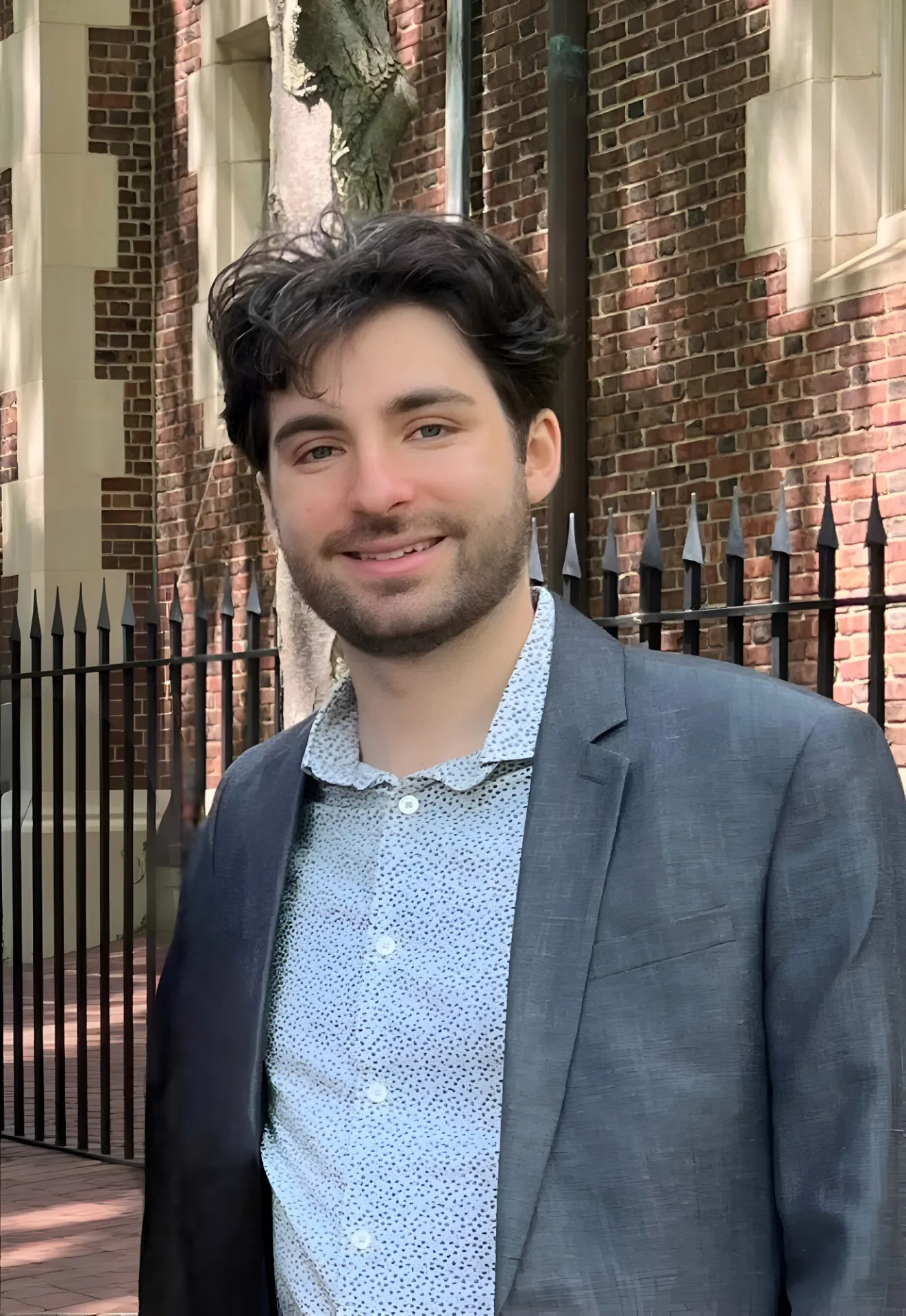
Title: Submicron-thick H+-conducting SiO2 Membranes for Low-Temperature PEM Water Electrolysis
Abstract: Reducing the resistance of proton exchange membranes (PEMs) is a key barrier to lowering the cost of clean hydrogen (H₂) from water electrolysis. Nafion®, a perfluorinated sulfonic acid (PFSA)–based membrane, is the current standard due to its high proton conductivity and stability, but suffers from H2 crossover and the environmental impacts of PFSA production. Here, we demonstrate the first low-temperature proton-conducting oxide membranes, 100–10,000 times thinner than Nafion, integrated into zero-gap electrolyzers. Using ultra-fast atomic layer deposition, 100 nm-thick membranes were directly applied to porous gas diffusion electrodes, achieving lower overpotentials than Nafion-115 at current densities up to 5 A/cm². To address H2 crossover through nanoscale defects, we developed an electrochemically mediated process that selectively deposits silicon oxide “nanoplugs” into the defects, thereby reducing crossover to safe levels. These results highlight a new pathway toward thinner, more efficient, and environmentally sustainable membranes for next-generation water electrolysis.
Bio: Lucas Cohen is a 5th-year PhD candidate in Chemical Engineering at Columbia University, mentored by Dr. Daniel Esposito. His research focuses on designing novel membrane and membrane-free electrochemical devices for water and CO2 electrolysis. This spans from investigating fundamental charge transport in new membrane materials to electrochemical modeling for device-level design. Building on prior industrial experience in energy storage and through collaborations with industry partners leading in electrolyzer manufacturing and atomic layer deposition, Lucas integrates experimental innovation with technoeconomic insights to advance scalable clean energy technologies. He is deeply committed to tackling climate challenges through creative, practical solutions that accelerate industrial decarbonization.
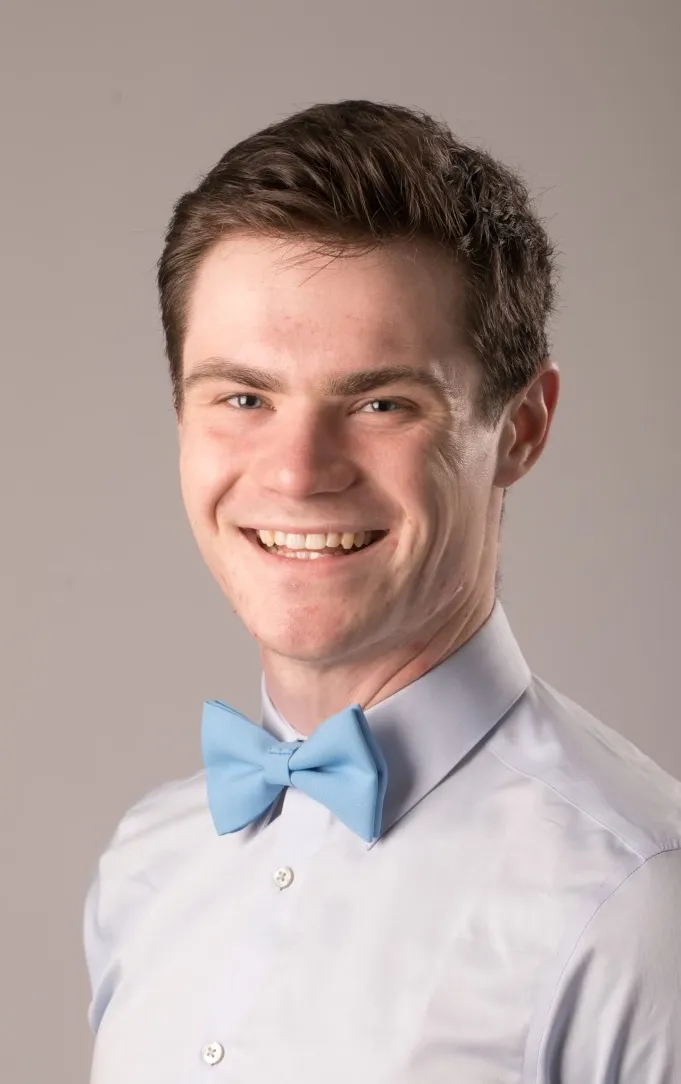
Title: Thermodynamic Understanding of Electrochemical Nickel Extraction through First Principles Methods
Abstract: Nickel, and other materials relevant to the clean energy transition, are primarily produced via pyrometallurgy or smelting methods and contribute significantly to pollution.The transition from traditional pyrometallurgical methods to electrochemical techniques to extract nickel from ore offers a sustainable pathway for the extraction of nickel and other critical metals. In this talk, we discuss how first principle calculations can help explain underlying thermodynamic driving forces within electrochemical leaching methods. In Particular, we leverage Density Functional Theory (DFT) to predict reaction energies and confirm experimental products. The ability to further understand the leaching process via computational methods provides valuable insights into improving the viability of electrochemical leaching techniques within the mining industry, and underscores the potential of computational methods in enhancing the efficiency of sustainability of mineral extraction technologies.
Bio: Brian Donovan is a third-year PhD candidate and NSF GRFP Fellow, co-advised by Dr. Urban and Dr. West. Brian's research bridges experimental methods with first-principle calculations, focusing on improving electrochemical hydrometallurgical techniques for copper and nickel extraction. By developing thermodynamic phase diagrams and integrating experimental kinetic data, Brian has created methodologies to purify nickel concentrate into higher-purity nickel solids. This process enhances the efficiency and reduces environmental impact of converting these materials into battery precursors, contributing to advancements in sustainable energy storage solutions. Brian earned his masters degree in chemical engineering at Columbia University and prior to this earned a bachelor degree in statistics and chemical engineering at University of California, San Diego.
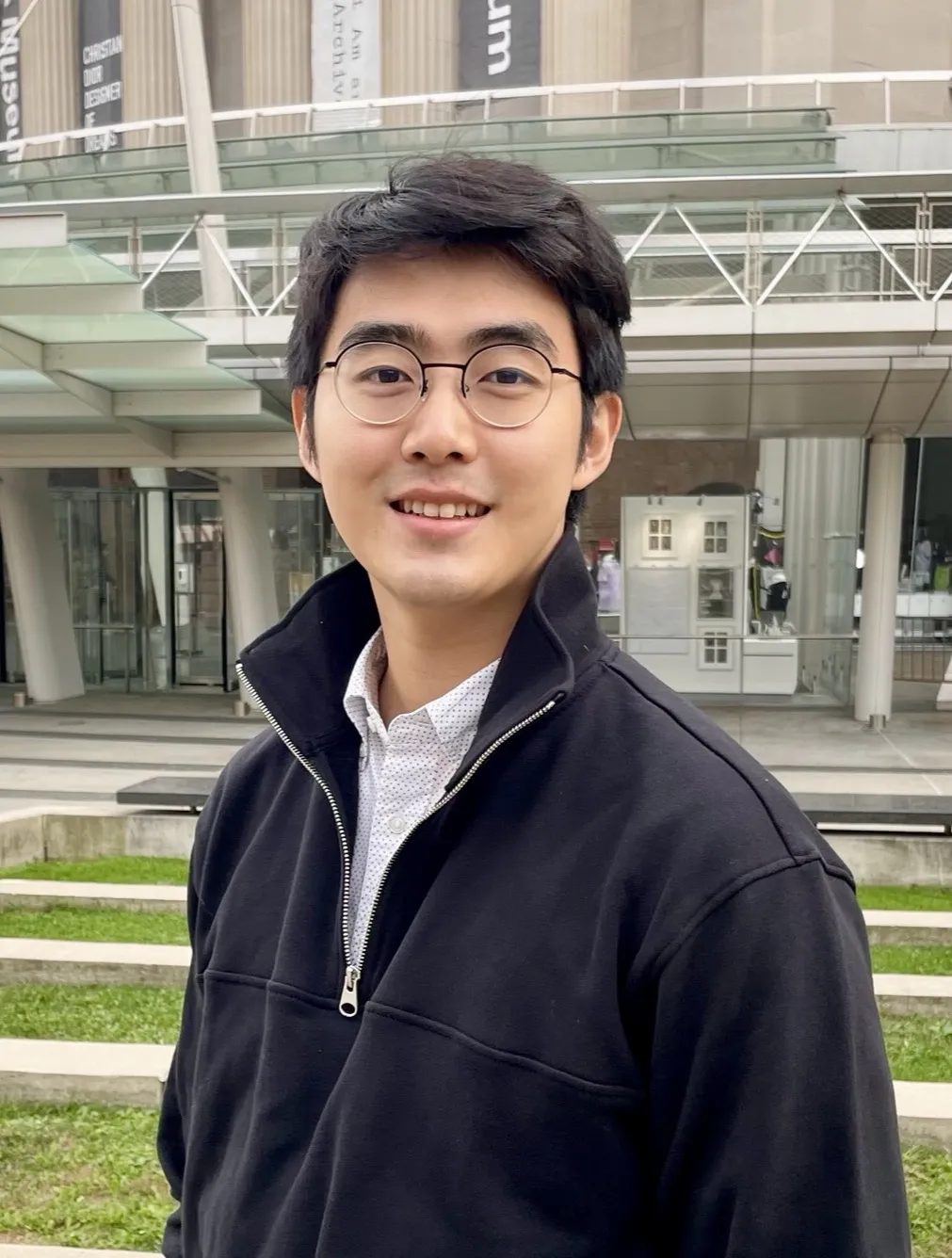
Title: Tuning Graphitization Temperature for Li-ion Battery Anodes
Abstract: Controlling crystallinity through heat treatment offers a direct pathway to designing high-performance synthetic graphite for lithium-ion batteries. By varying heat-treatment temperatures, we obtained graphite samples with modulated crystallinity and analyzed them using X-ray diffraction and Monte Carlo–assisted refinement. With increasing temperature, graphite becomes more ordered through features such as decreased interlayer spacing and atomic strains, but the number of layers in each crystallite declines past 2450°C; this inflection point in trends suggests that there is an optimum heating temperature. Electrochemical testing revealed clear trade-offs: highly ordered graphite delivers higher energy density, mid-range crystallinity maximizes cycling efficiency, and more disordered structures enable faster lithium transport for rapid charging. These results show that tailoring graphite’s heat treatment allows batteries to be optimized for specific applications—from long-range EVs to fast-charging devices—while reducing the energy footprint of production.
Bio: Yongbeom (Eric) Kwon is a 5th Year PhD candidate in Chemical Engineering at Columbia University. He works on new approaches to characterize battery materials using advanced techniques such as nuclear magnetic resonance spectroscopy (NMR) and X-Ray Diffractometry (XRD) under the direction of Dr. Lauren Marbella. These techniques offer detailed molecular descriptions that can be correlated to macroscopic performance metrics of batteries in practical scenarios. These insights provide a basis for functional engineering of novel energy storage solutions. Before his PhD program, Eric received a BS and MS in Chemical Engineering from Brown University in 2020 and 2021, respectively.

Title: Energy Storage Peak Shaving with Stacked Services using a Prediction-Free Kernel Regression Approach
Abstract: Developing effective control strategies for behind-the-meter battery energy storage systems (BESS) in peak shaving and stacked services is critical for reducing electricity costs and extending battery life. This work presents a novel, forecast-free approach that leverages kernel regression on historical demand data to design battery state-of-charge trajectories that satisfy peak shaving requirements, while allocating any remaining capacity to energy price arbitrage. This approach is evaluated using six years of electricity demand data from a mid-sized commercial building in New York City. Results show that the proposed strategy outperforms a conventional, forecast-based BESS control model, achieving both cost savings and effective peak management without relying on future demand predictions.
Bio: Emily Logan is a PhD student in Earth and Environmental Engineering at Columbia University working in Dr. Bolun Xu’s research group. Prior to joining Columbia, she received her B.S. and M.Eng. degrees in Mechanical Engineering from Cornell University and worked at Tesla as a Mechanical Design Engineer. Her research focuses on developing strategies for managing battery energy storage systems to reduce electricity costs and improve operational efficiency.
Title: Ternary-Phase Interfacial Soldering Effect for Low-Pressure All-Solid-State Lithium–Sulfur Batteries
Abstract: All-solid-state lithium–sulfur batteries (ASSLSBs) hold great promise as next-generation energy storage solutions, as they simultaneously offer high energy density, long cycle life, and significantly improved thermal stability. However, interfacial instability between the solid electrolyte and sulfur during cycling necessitates the application of high stack pressures exceeding 20 MPa. Herein, an ion-conductive inorganic binder is employed for the Li2S-based cathode, enabling stable cell operation under stack pressures below 10 MPa. With the introduction of the inorganic binder, reversible capacities of 526 mAh g-1 and 748 mAh g-1 are achieved at the 300th cycle with Li2S-loading levels of 3 mg cm-1 and 4 mg cm-1 at a stack pressure of 10 MPa, respectively, whereas the bare Li2S cathode fails to operate reversibly.
Bio: Myeonggyun is a postdoctoral research fellow in Prof. Yuan Yang’s research group at Columbia University. His research focuses on developing functional materials for high-energy lithium secondary batteries and advanced sulfur cathodes for low-pressure all-solid-state batteries. Prior to joining Columbia, he earned his B.S. (2016), M.S. (2018), and Ph.D. (2022) degrees in Chemical Engineering from Sungkyunkwan University in South Korea.
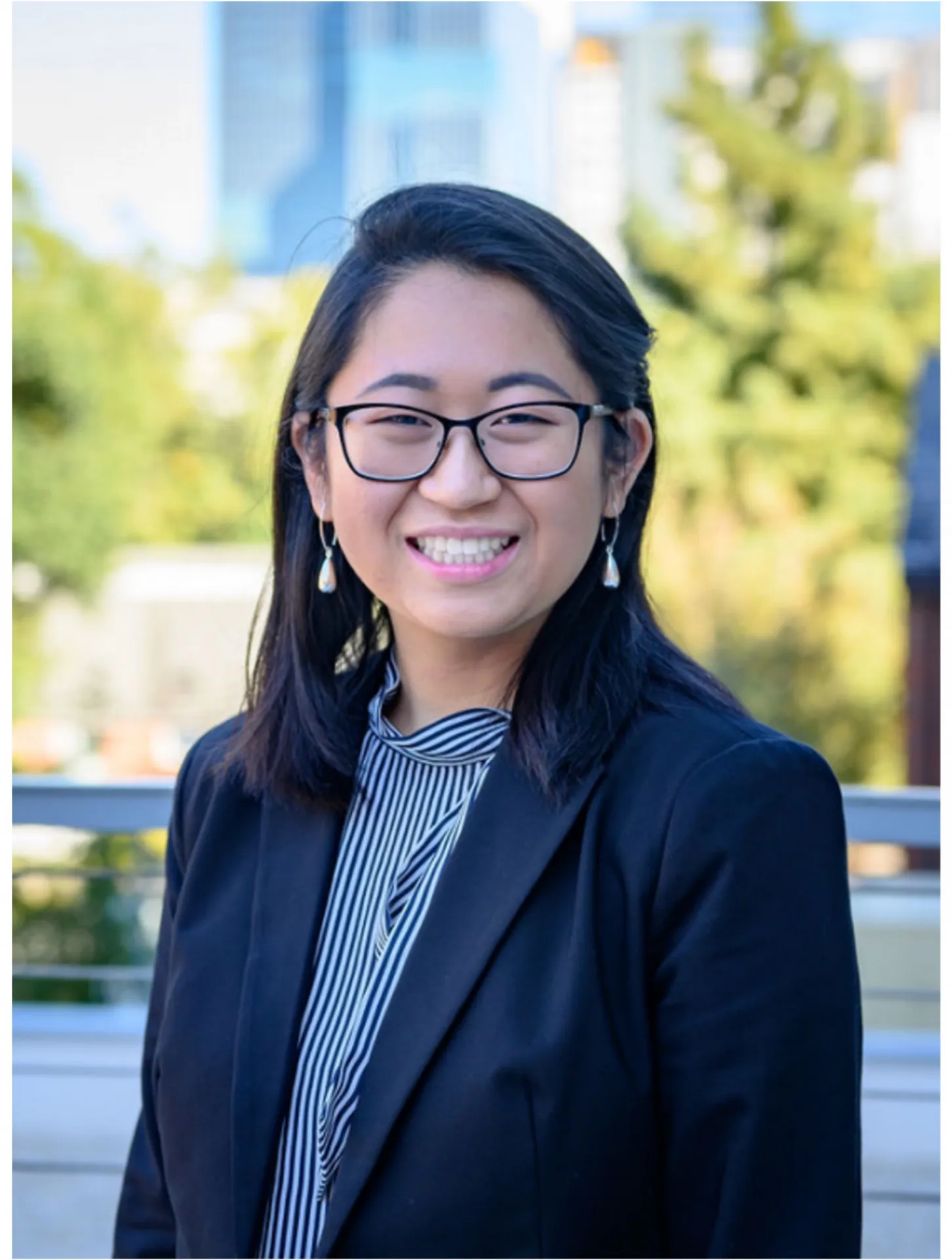
Title: Determining the mechanism of dendritic zinc electrodeposition in alkaline systems
Abstract: Secondary zinc batteries have gained interest for grid application due to zinc’s abundance and high volumetric capacity, specifically, zinc metal anodes where zinc ions undergo electrodeposition and electrodissolution as the battery charges and discharges. However, they face limitations from dendrite formation during electrodeposition. Therefore, controlling deposition morphology is imperative, and can be achieved by changing the solvation architecture and deposition mechanism through additives, electrolyte choice, and operating conditions. We aim to elucidate the effect of applied overpotential on morphology in an alkaline zinc system. Over increasing overpotentials, the morphology transitions from mossy and boulder-like to fern-like dendrites, which are indicative of diffusion limited aggregation (DLA). We identify the overpotential at this transition to be the shift from a kinetically to diffusion limited system. In longer term growth, the electrodeposition demonstrates two distinct, constant growth rates about an inflection point, which we have related to the transition from primary dendritic growth to higher-order dendritic growth.
Bio: Diana Oh is a third-year PhD candidate in Chemical Engineering at Columbia University co-advised by Dr. Lauren Marbella and Dr. Dan Steingart. Her work focuses on characterizing the morphologies and elucidating the mechanisms of zinc electrodeposition in different electrolytes, ranging from ionic liquids and aqueous systems. Through her work, Diana aims to explore the effects of solvation architecture on electrodeposition to achieve precise control and predictability required for metal anode battery systems. Prior to her PhD, Diana earned a BS in Chemical and Biomolecular Engineering from Georgia Institute of Technology in 2023.
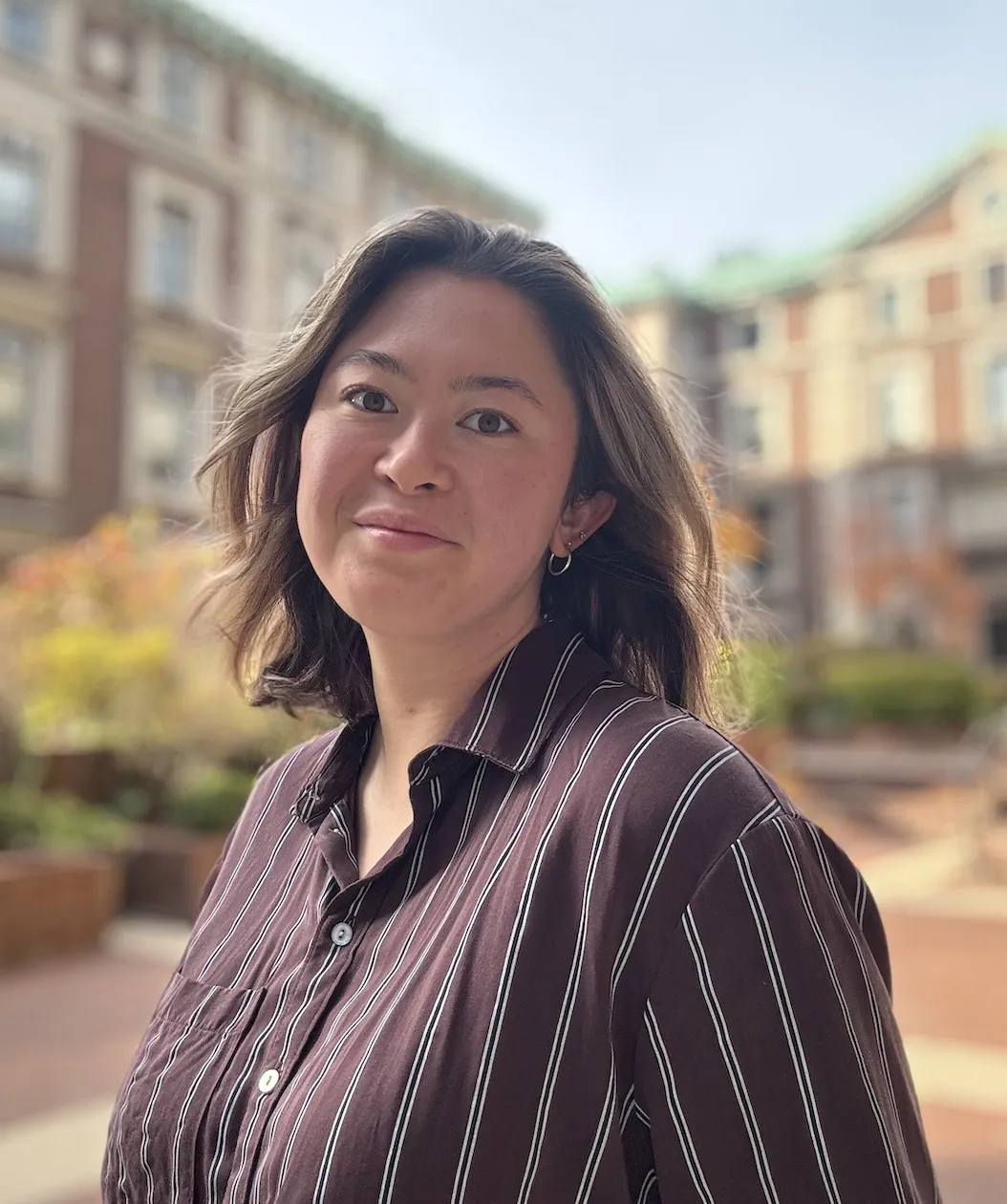
Title: Leveraging perovskites for methane valorization to C2 hydrocarbons
Abstract: Methane is an abundant resource, but its valorization is hindered by the high temperature requirement for converting methane to higher hydrocarbons, which is often done in multi-step reactions requiring large reactors. Non-oxidative methane coupling (NOCM) offers a direct route for C2 production, but the leading thermocatalysts such as Pt on CeO2 maintains high thermal demand (>900ºC) and is hard to characterize due to the dynamic nature of Pt on the CeO2 support. We aim to explore a Pt-doped BaCeO3 perovskite system for NOCM due to its proton conducting properties and improve lattice stabilization of Pt. We have demonstrated that our Pt/BaCeO3 system has a competitive C2 yield of 31.54% and CH4 conversion of 16.36% (WHSV=0.116 ghr-1gcat-1) at 700ºC, effectively lowering the thermal requirement for NOCM. Exerting further control over the local Pt environment to enhance activity is currently being investigated. We plan to harness Pt-BaCeO3 as a dual-functioning catalyst-membrane for use in protonic ceramic electrochemical cells (PCECs).
Bio: Abbey Piatt Price is a second-year PhD student in Chemical Engineering at Columbia University under Dr. Juliana Carneiro. Her current work focuses on heterogeneous catalysis for methane valorization. Abbey aims to explore new levers for surface control of perovskites to achieve dual-functioning catalyst-membrane materials for use in protonic ceramic electrochemical reactors. Previously, Abbey earned a B.S. in Molecular Engineering from the University of Chicago in 2024.
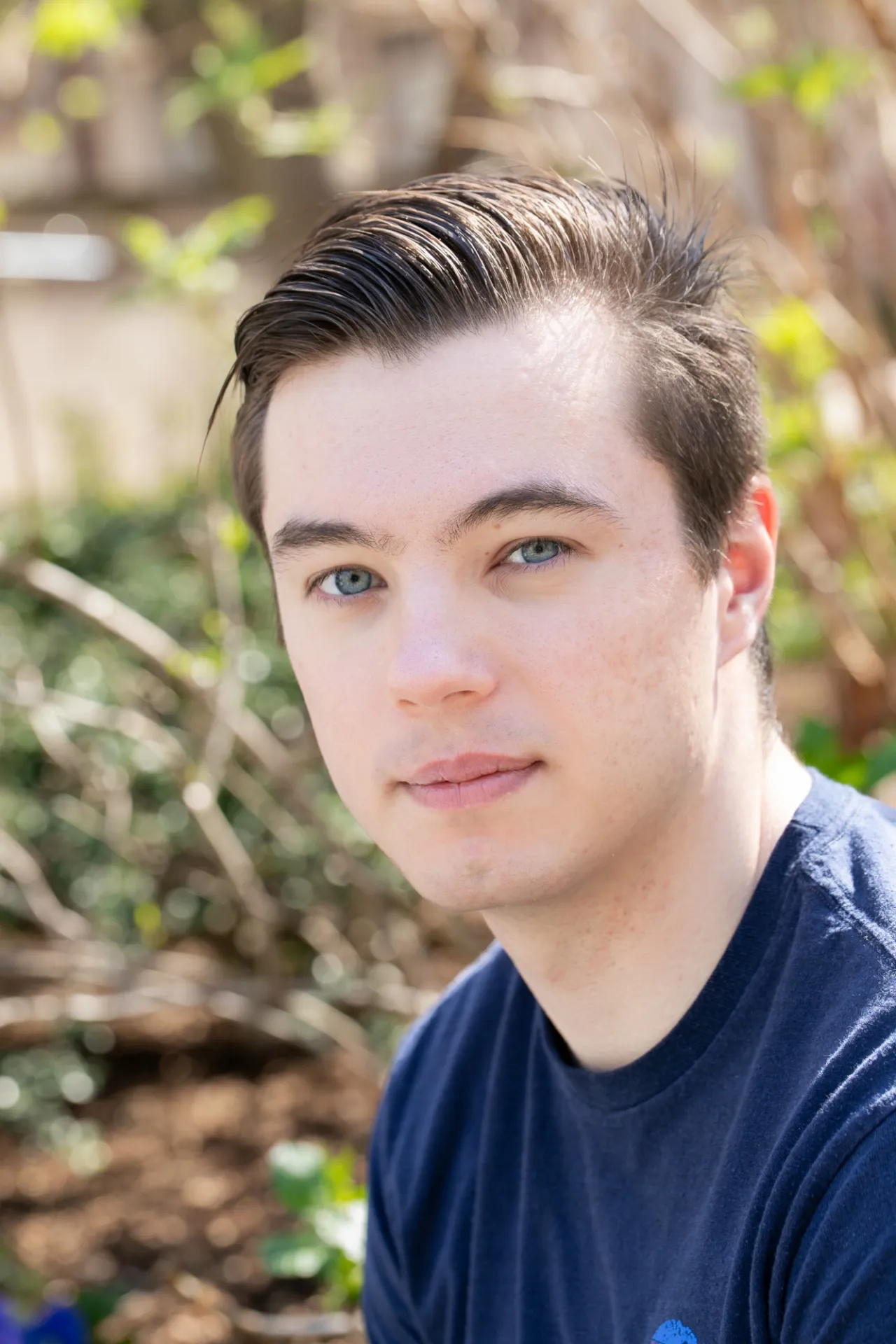
Title: Addressing capacity in the electricity distribution system in cities
Abstract: Energy systems are undergoing transformation amid growing load from electrification of heating, Electric Vehicles (EVs), and new data center loads. This increases the potential stress on future grids. Beyond transmission congestion, the distribution bottlenecks in urban areas become a concern and can result in the electricity price increase. One of the solutions is to install distributed capacity near the load centers. However, in the landscape of urban settings with little available rooftop area, the options are limited. Our work quantifies the value of solar installations, coupled with storage, on vertical surfaces of the buildings in New York City context. The analysis highlights the potential grid benefits of optimized exports during peak times and considers system-relieving engagement revenue streams under which installations are economically viable. Early results show that such systems can potentially bring value to utilities, by exporting electricity during stress times, and creating favorable economics for customers due to soft cost offsetting through economies of scale. The viability of such systems have become possible through declining solar and storage costs, creating the paradigm of solar-storage systems as affordable distributed capacity.
Bio: Vlad (Vladimir) Pyltsov is a PhD candidate in Mechanical Engineering at Columbia University under supervision of Dr. Vijay Modi. His research interests lie in a broad intersection of modeling, forecasting, and techno-economic assessment of Energy Systems using AI, ML, and optimization frameworks, with recent focus on distributed systems. Before his PhD program, Vlad received a BS degree Mechanical Engineering from Boston University in 2023.
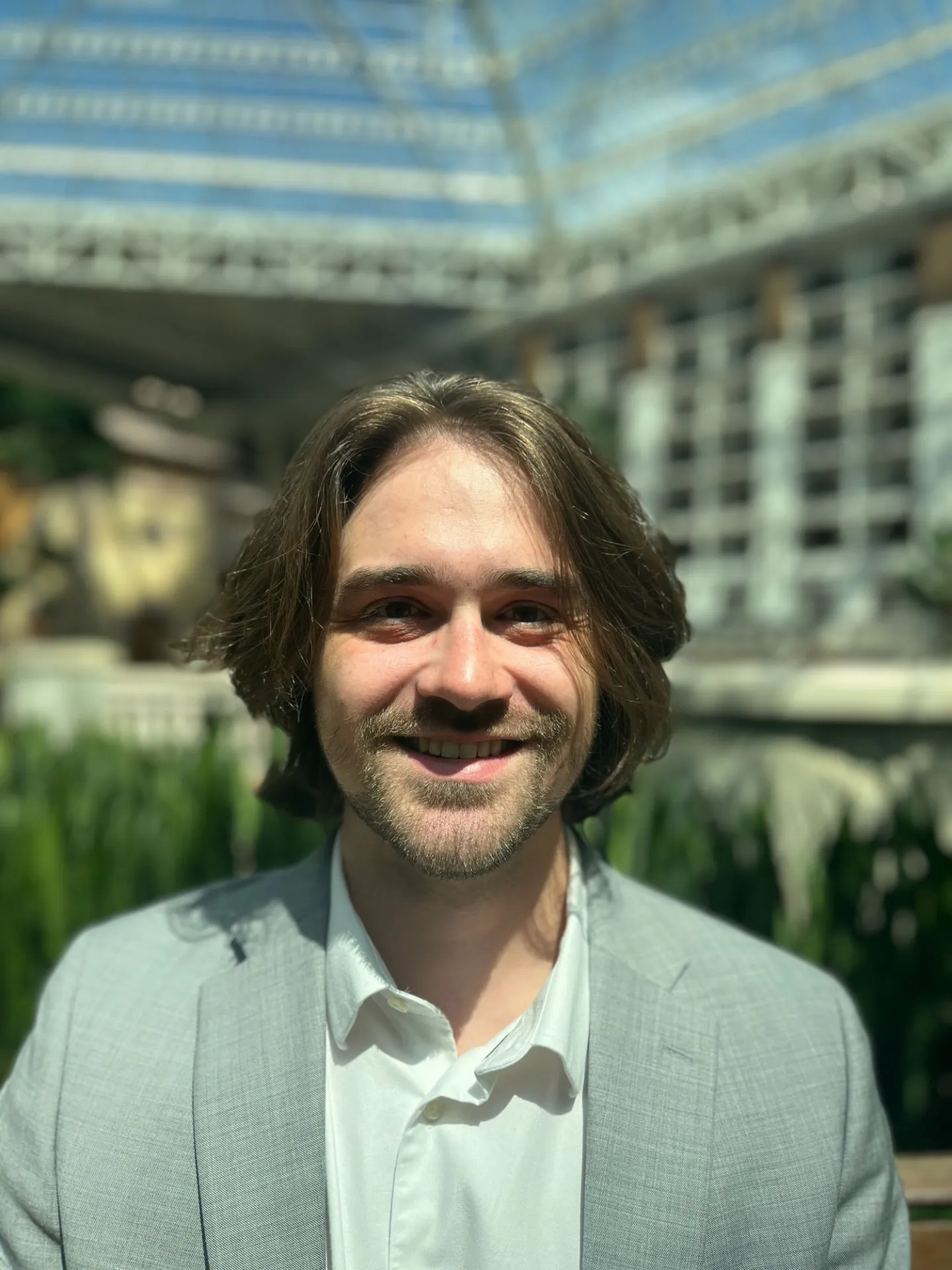
Title: Enabling Hydrometallurgy- Redox Mediated Leaching
Abstract: Building new smelters domestically is a non-starter for a slew of economic, environmental, and political reasons. Onshoring the production of critical materials is a popular notion these days, but for sulfide ore chemistries, such as nickel and copper, smelting is the only current economic processing route. Current hydrometallurgical techniques are either very slow, inefficient, or require unrealistic reaction conditions for competition with pyrometallurgical routes. New redox chemistries are being developed with fast kinetics at atmospheric temperature and pressure along with full electrochemical recycling of reagents. This hydrometallurgical approach is a new electrochemical platform for critical material processing and has the potential to onshore the production of materials crucial for the energy transition.
Bio: Curtis Sirkoch is a third year PhD student in the Earth and Environment Engineering Department advised by Dr. Alan West. Curtis’ research focuses on using electrochemistry to explore new hydrometallurgical mineral processing techniques. This ranges from fundamental electrochemistry of mineral structures to bulk electrolysis of chemical reagents. These findings are reconciled with industrial and chemical separation processes to target new, economically and environmentally sustainable approaches to critical material production. Curtis has earned a masters degree at Columbia along with a B.S. in Chemical Engineering from Columbia and a B.A. in Chemistry from Bard College (‘20).

Title: Electrochemical generation of bromine for selective Li leaching from battery cathodes
Abstract: Critical minerals are crucial to the development of many modern-day technologies, especially Li-ion batteries (LIBs). The increasing reliance on LIBs has resulted in massive amounts of waste, along with uncertainty as to whether current lithium reserves will be able to meet current and future demand. Given the environmental health & safety concerns associated with improper LIB disposal and lithium’s debatable supply chain, LIB recycling is more necessary than ever. Traditional recycling processes like pyrometallurgy and acid leaching (hydrometallurgy) prioritize transition metal recovery while lithium is lost in the waste. This work demonstrates a method of selective lithium extraction from NMC811 cathodes using electrochemically generated bromine (Br2) in a bromide salt electrolyte. Up to 92% lithium leaching efficiency is achieved in batch reactor tests using Br2/NaBr leachate, while other transition metals from NMC811 are left intact. Electrochemical Br2 generation is achieved using a graphite rod anode and a platinum wire cathode in a H-cell configuration. Over 90% of the leached lithium is recovered as Li2CO3, for future use in new cathode synthesis.
Bio: Nathalie Tuya is a 4th-year PhD candidate in the Earth & Environmental Engineering Department at Columbia University, with an expected graduation date of August 2026. She earned her M.S. at Columbia in 2022, where she collaborated with NASA GISS on quantifying and characterizing blue carbon from Eastern U.S. coastal marshes. Prior to her time at Columbia, Nathalie graduated with a B.S. degree in Environmental Engineering from Florida International University (FIU) in 2021, during which she worked with the DOE & the FIU Applied Research Center on nuclear waste remediation. Her current research in the Steingart group is focused on Lithium-ion battery recycling, specifically through electrochemical reagent production.
Poster Presenters and Abstracts
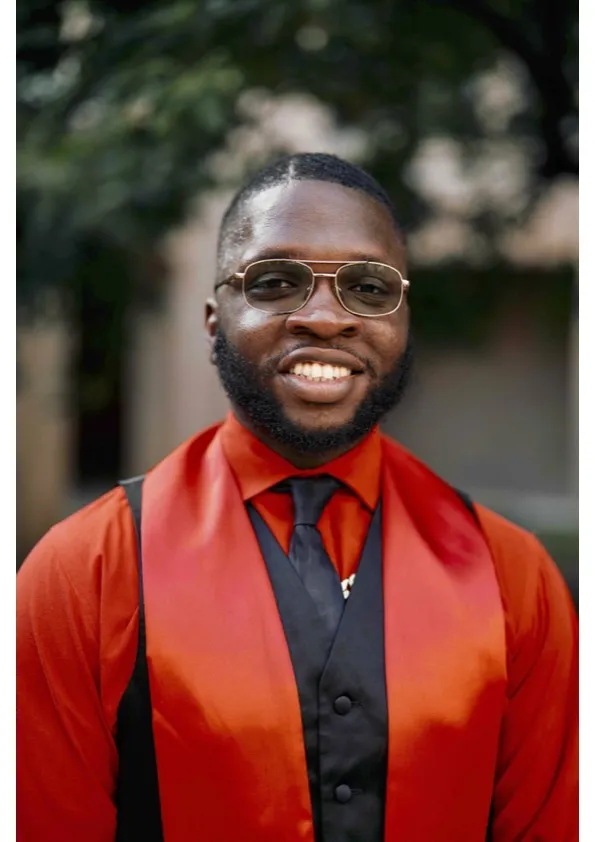
Title: Design of Selective Interfaces and Single Particle Measurements for Higher Efficiency Photosynthetic Nanoreactors
Abstract: Photocatalytic water splitting using ensembles of photosynthetic nanoreactors (EPN) holds great potential in the pursuit of the DOE Hydrogen Shot initiative to bring the cost of H2 to $1/kg by 2031. This multi-institutional effort (EPN) seeks to understand the activity, selectivity, and stability of solar water splitting nanoreactors in isolation and as ensembles for improved solar-to-hydrogen conversion efficiencies. Here at Columbia, we investigate how different molecular catalysts behave under metal oxide overlayers in terms of both performance and stability. Additionally, we are developing a novel method to measure isolated nanoreactors using optical tweezers to better understand the photocatalytic process on a fundamental level. Alongside these efforts, we are studying the impact of cationic and anionic surfactants on reactions employed during Z-scheme photocatalysis: the hydrogen evolution reaction and iron sulfate redox. These efforts begin to integrate work between different research thrusts and develop more efficient ensemble reactors.
Bios: Patrick O. Aghadiuno is a 4th year chemical engineering Ph.D. student in Dr. Daniel Esposito’s research group. His research focuses on the development of oxide layers deposited over molecular catalysts within ensembles of photosynthetic nanoreactors to produce solar fuels. Prior to studying at Columbia, Patrick received a B.S. in chemical engineering from Rice University.
Kevin Dunn is a 3rd year chemical engineering Ph.D. student in Dr. Daniel Esposito’s research group. His research focuses on novel methods of single-particle photocatalytic measurements for solar fuel generation. Prior to studying at Columbia, Kevin received a B.S. in chemical engineering from Colorado School of Mines.
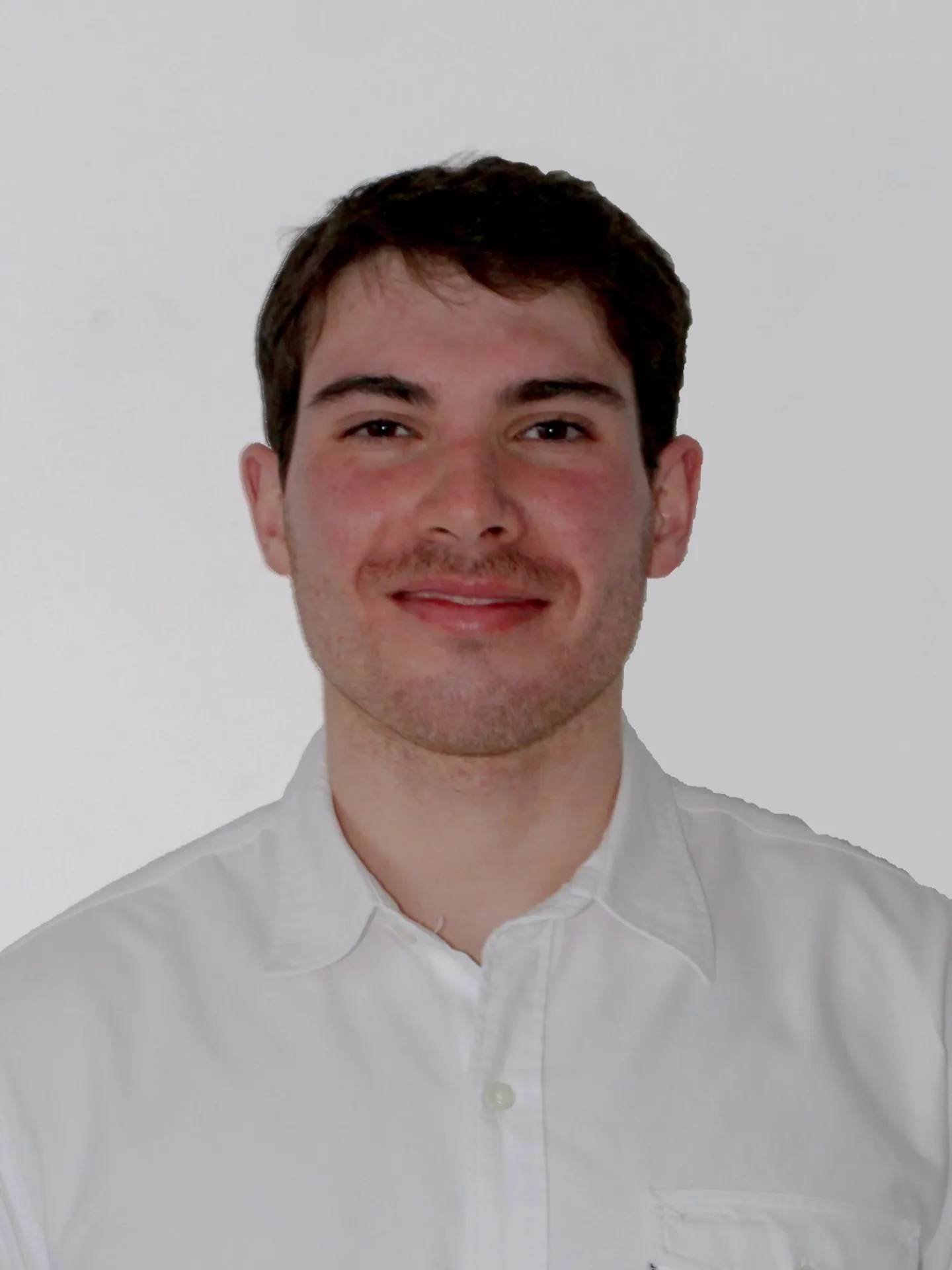
Title: Understanding lithium-ion batteries using theory and computation
Abstract: Lithium-ion batteries (LIBs) have become essential to modern life, powering different devices, from smartphones to electric vehicles. Despite the maturity of the LIB technology, many questions remain open regarding the phenomena and chemistry on an atomic scale underlying the LIBs. The Urban group applies theoretical and computational methods to unravel these processes, also in collaboration with the Columbia Center for Computational Electrochemistry (CCCE). A central focus of the CCCE is understanding the solid electrolyte interphase (SEI), a complex, protective layer that forms on electrode surfaces. The SEI is critical to LIB performance because it permits lithium-ion transport while blocking electron transfer and preventing electrolyte decomposition. Yet, its composition, structure, and formation mechanisms are still not fully understood. Recent work at CCCE revealed a previously unknown class of electrolyte species: complexes where multiple lithium cations are coordinated by solvent molecules. Using Density Functional Theory (DFT)-based methods, we investigated how these species influence the reductive decomposition of solvents, offering new insights into SEI formation.
Bio: Gabriel Cathoud is a second-year Ph.D. student co-supervised by Dr. Alexander Urban in the Department of Chemical Engineering and Dr. Richard Friesner in the Department of Chemistry. His research focuses on advancing methodological frameworks for simulating LiB systems and applying these methods to investigate fundamental phenomena in these systems. Gabriel earned his Bachelor's degree in Chemical Engineering from the University of Coimbra, Portugal. He continued his academic journey at the same institution, completing two Master's degrees: one in Chemical Engineering and another in Informatics Engineering. During his M.Sc. in Chemical Engineering, he collaborated with Dr. Pedro Simões (University of Coimbra) and Dr. Mohtadin Hashemi (Auburn University) on studying the interactions of amyloid-β with lipid bilayers using molecular dynamics. During his M.Sc. in Informatics Engineering, he collaborated with Dr. Luis Macedo and Dr. Kjell Jörner (ETH Zurich) on the development of explainable artificial intelligence approaches to interpret graph neural network predictions of molecular energies.
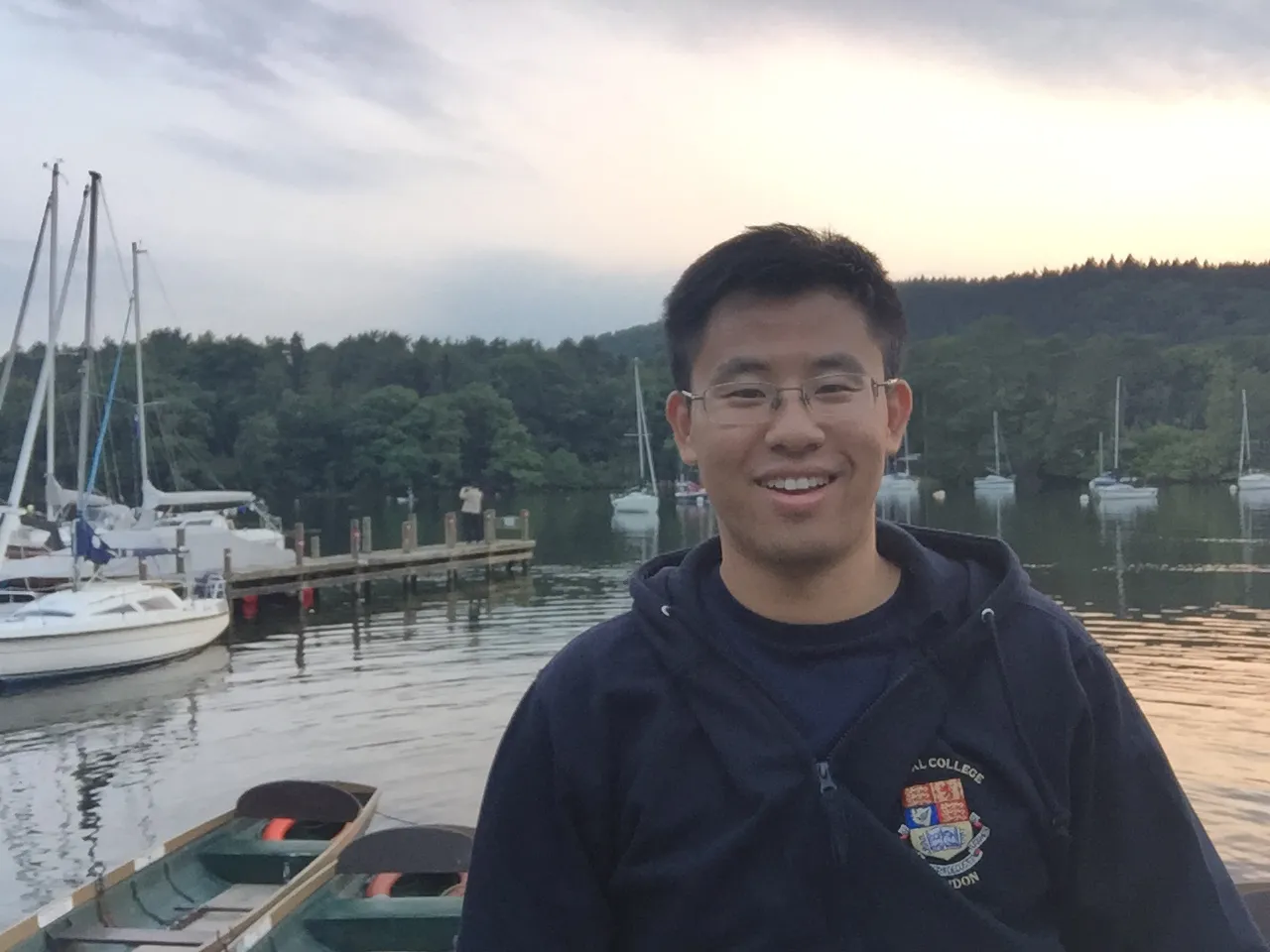
Title: Polymer gel electrolyte featuring parasitic network enables anode-free lithium batteries with long cycle life and enhanced thermal stability
Abstract: Anode-free lithium metal batteries offer high energy density and simplified manufacturing but suffer from poor cycling life and thermal instability due to unstable anode morphology and parasitic reactions. Here, we design a polymer gel electrolyte with a parasitic network formed by copolymerizing a branched acrylate and an amphiphilic fluoroacrylate. Interchain interactions of the fluoroacrylate create a secondary parasitic network that induces an anion-rich solvation structure and promotes an anion-derived solid electrolyte interphase. This microstructural regulation markedly enhances Li reversibility, cycle life, and thermal stability. Cu/NCA pouch cells (4.8 mAh/cm²) achieve 97.8% retention after 100 cycles and 88.2% after 200 cycles under 0.7 MPa and 6 g/Ah electrolyte. A 200 mAh anode-free pouch cell retains 92.2% capacity after 100 cycles with 2.8 g/Ah electrolyte and shows no thermal runaway in drilling tests. This strategy offers a viable pathway to safe, durable, high-energy-density anode-free batteries.
Bio: Dr. Shengyu Cong is a postdoctoral research scientist in Columbia University now, with a strong background in materials science and chemistry. He earned his Ph.D. in Materials Science from Imperial College London in 2020, following a Master’s degree in Organic Chemistry from the Chinese Academy of Sciences and a Bachelor’s degree in Chemistry from Liaoning University. His research focuses on the design and development of functional materials for advanced energy storage systems, including anode-free batteries, aiming to enhance performance, safety, and sustainability in next-generation energy technologies.
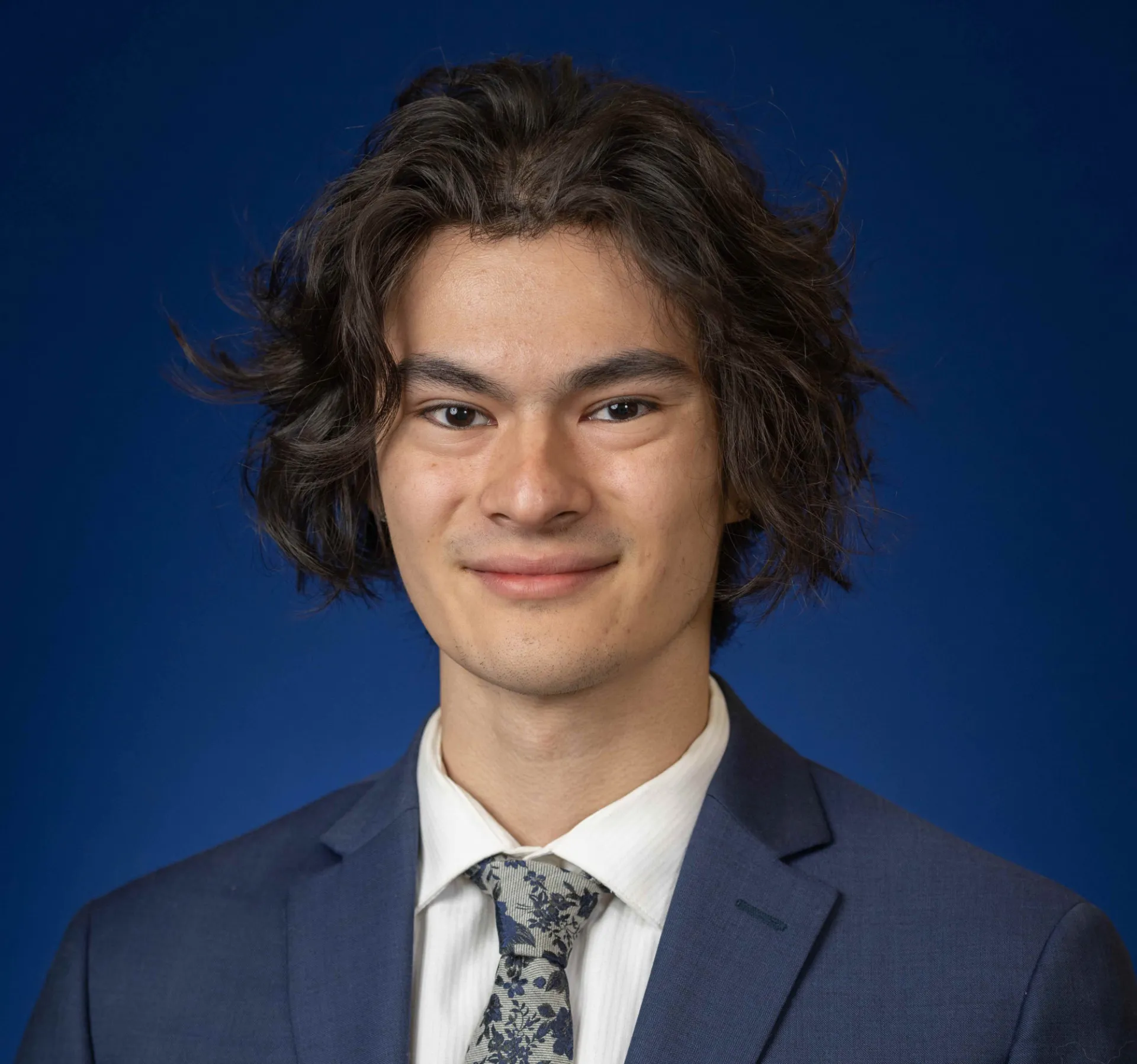
Title: Understanding ether-based electrolyte stability for reversible sodium metal anodes
Abstract: “Anode-less” cell formats are a promising method to enable sodium-based batteries with energy densities competitive to current lithium ion batteries. This technology relies on sodium (Na) metal anodes, but are limited by low cycling efficiencies that result in short cell lifetime when used with standard battery solvents (linear and cyclic carbonates). This low efficiency is associated with Na metal’s high reactivity, leading to continuous electrochemical decomposition of electrolyte into a solid electrolyte interphase (SEI). Here, we demonstrate the superior plating/stripping reversibility of ether- based Na electrolytes in half-cells, namely 1M NaPF6 in diglyme, comparing its performance against other classes of organic solvents. We probe the solid (SEI), gaseous, and soluble decomposition products formed from electrodepositing Na metal to show that the diglyme system effectively suppresses electrolyte decomposition. Specifically, through multimodal characterization of the SEI, we show evidence that there is negligible decomposition of PF6- anions when cycling in diglyme. Understanding the requirements of suppressing solvent and anion decomposition is critical for designing next-generation electrolytes to enable anode-less full cells.
Bio: Sean Fernandez is a 3rd year Ph.D. student in Chemical Engineering at Columbia University advised by Professor Lauren Marbella. Prior to Columbia, Sean grew up in Toledo, OH and later received a B.S.E in Chemical Engineering from the University of Michigan. While at Michigan, Sean conducted research understanding thermal degradation of silica aerogel to be used as insulation in high temperature concentrating solar thermal power systems. Sean’s professional interests include all things energy transition including the engineering innovations and the policy/economic levers that drive technology deployment. Outside of the lab, you can find Sean jogging down the Hudson River Greenway, appreciating nature, or mixing groovy house or techno music under the alias “DJ Ohmic Drop”.

Title: Ultrathin Proton-Conducting Oxide Membranes for High-Capacity Water Electrolysis
Abstract: Zero-gap electrolyzers incorporating PFAS-free, proton-conducting silicon oxide (SiO₂) membranes produced by atomic layer deposition offer a promising route. Although SiO₂ exhibits lower intrinsic proton conductivity than Nafion, reducing membrane thickness to the nanoscale (<1 µm) minimizes ionic resistance. Safe operation requires low hydrogen permeability: 250 nm SiO₂ membranes achieve crossover rates an order of magnitude below Nafion-117, aided by dense microstructure and nanoscopic plugs sealing defects. Transport analysis shows area-specific resistance can be <20 % of Nafion while maintaining hydrogen-blocking capability, highlighting SiO₂ membranes as efficient, cost-effective PEM replacements.
Bio: Jingjing Jin is a 4th year chemical engineering Ph.D. student in Dr. Daniel Esposito’s research group. Her research focuses on the development of ultrathin proton-conducting oxide membranes for water electrolysis. Prior to studying at Columbia, Jingjing received a B.S. in chemistry from Rutgers University.

Title: Physics-Based Modeling for Phenomenological Discovery in Electrochemical Systems
Abstract: Next-generation secondary batteries need approaches that can capture their complexity while still offering clear insights. Physics-based models form the foundation, while statistics help estimate important parameters that cannot be measured directly. In aluminum batteries, ionic liquid electrolytes without solvents make concentrated-solution theory necessary. Aluminum in theory offers very high gravimetric and volumetric capacities, though its actual behavior is more complicated. The Zn/NaV3O8 system is another promising next-generation battery for grid storage, but many of its reaction mechanisms remain unknown. Modeling helps close these gaps, test hypotheses about how the system works, and identify the factors that drive performance and degradation.
Bio: Abdul Fayeed Abdul Kadir graduated from University of Delaware in 2022 with a bachelor’s degree in Chemical Engineering. He is currently a fourth-year PhD student in the Department of Chemical Engineering in Dr. Alan C. West’s group, where he develops mathematical models to study electrochemical energy storage systems. His research focuses on aluminum battery systems with ionic liquid electrolytes, employing Concentrated Solution Theory rather than the conventional Dilute Solution Theory. More recently, his work has expanded to modeling emerging battery chemistries for grid-scale storage applications, with a particular emphasis on zinc-ion batteries.
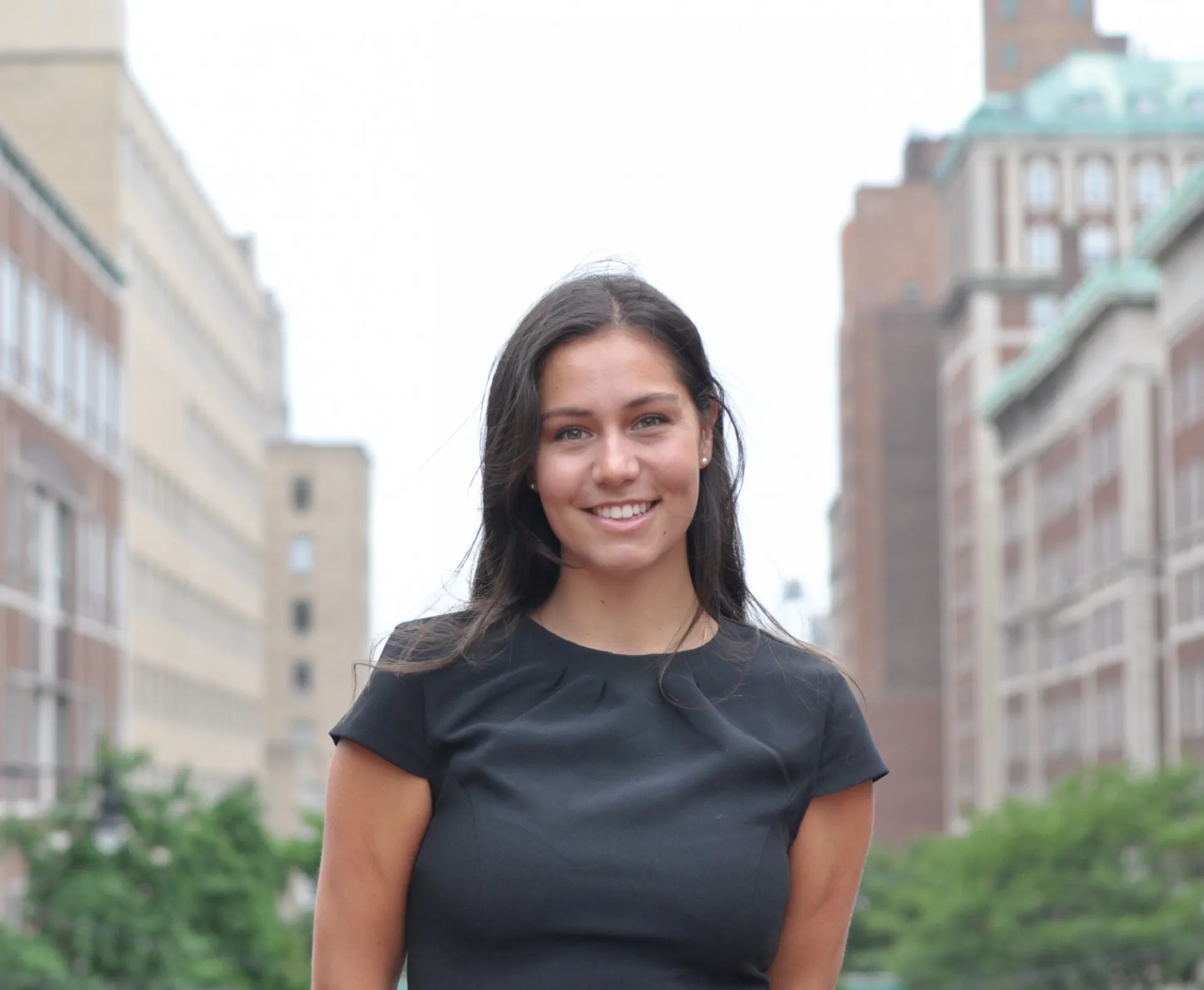
Title: Co-Designing Electrocatalytic and Thermocatalytic Processes for Tandem Carbon Nanotube Production
Abstract: Increasing levels of atmospheric carbon dioxide motivate the need and desire for sustainable, scalable, and profitable methods of CO2 conversion. Critically, for a true net-carbon negative process, chemical upcycling of CO2 must leverage clean energy and target products that will not reintroduce CO2 back into the atmosphere through their use. By combining electrocatalytic and thermocatalytic approaches in tandem catalysis, CO2 can be transformed into a wide range of products and traditional thermodynamic or practical constraints can be circumvented. Carbon nanotubes (CNTs), a high-value solid carbon product, can sequester CO2 through electrochemical conversion of CO2 and hydrogen evolution to form syngas and ethylene which undergoes thermochemical transformation to CNTs at 750 °C.
Bio: Camille Kuwana graduated from the University of Chicago in 2024 with a Bachelor of Science in Molecular Engineering on the Chemical Engineering and Soft Materials track. As a second-year Ph.D. in the Chemical Engineering Department working under Professor Jingguang Chen, Camille studies tandem catalytic processes for chemically upgrading CO2.
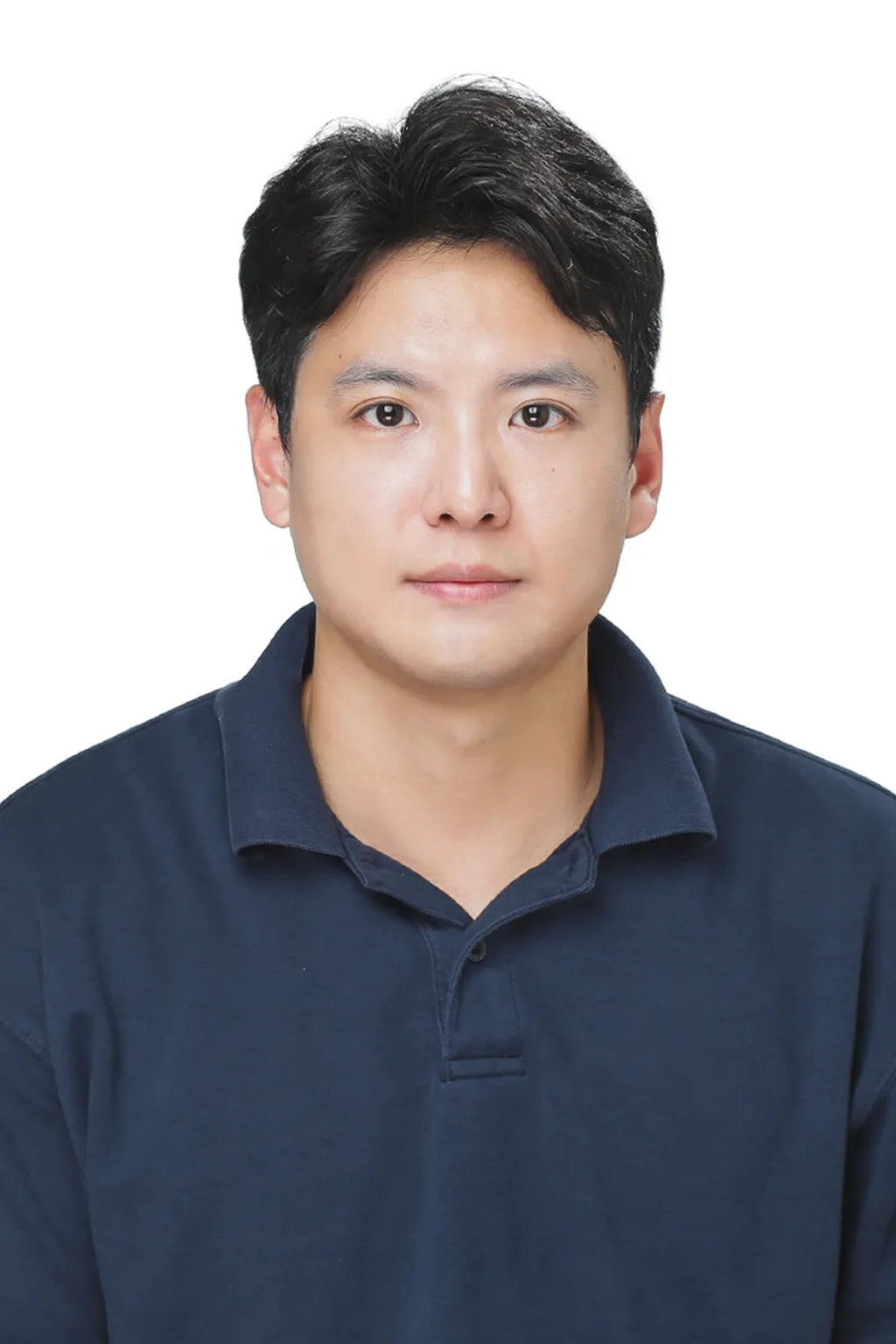
Title: Ternary-Phase Interfacial Soldering Effect of Phosphorus Pentasulfide for Low-Pressure All-Solid-State Lithium–Sulfur Batteries
Abstract: All-solid-state lithium–sulfur batteries (ASSLSBs) hold great promise as next-generation energy storage solutions, as they simultaneously offer high energy density, long cycle life, and significantly improved thermal stability. However, interfacial instability between the solid electrolyte and sulfur during cycling necessitates the application of high stack pressures exceeding 20 MPa. Herein, phosphorus pentasulfide (P2S5) is employed as an ion-conductive inorganic binder for the Li2S-based cathode, enabling stable cell operation under stack pressures below 10 MPa. With the introduction of P2S5, reversible capacities of 748 mAh g-1 and 526 mAh g-1 are achieved at the 300th cycle with Li2S-loading levels of 3 mg cm-1 and 4 mg cm-1 at a stack pressure of 10 MPa, respectively, whereas the bare Li2S cathode fails to operate reversibly.
Bio: Myeonggyun is a postdoctoral research fellow in Prof. Yuan Yang’s research group at Columbia University. His research focuses on developing functional materials for high-energy lithium secondary batteries and advanced sulfur cathodes for low-pressure all-solid-state batteries. Prior to joining Columbia, he earned his B.S. (2016), M.S. (2018), and Ph.D. (2022) degrees in Chemical Engineering from Sungkyunkwan University in South Korea.
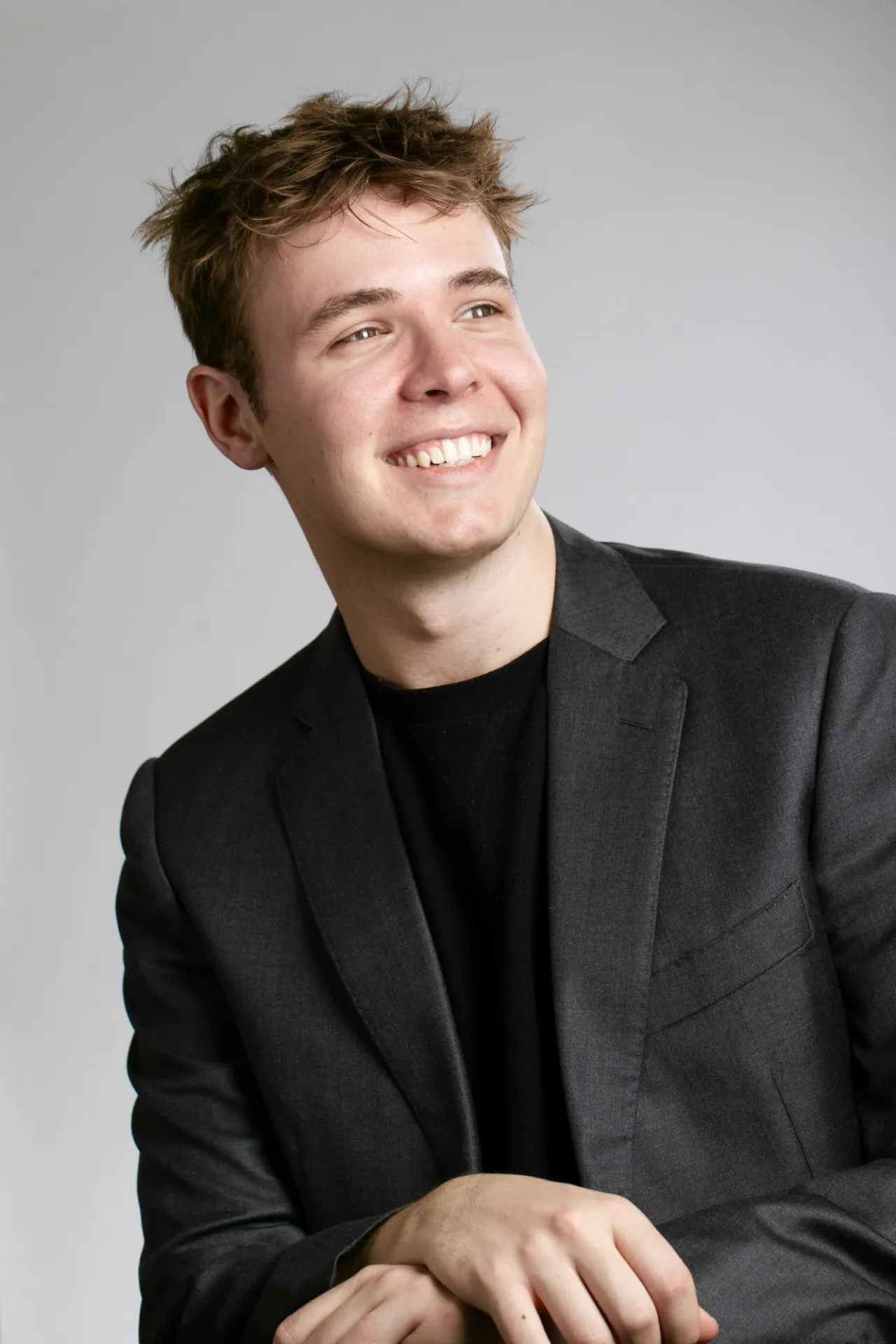
Title: Sodium Storage and Trapping in Carbonaceous Materials
Abstract: Carbon-based anodes are among the most promising candidates for commercial sodium-ion batteries, yet they consistently suffer from capacity loss. Unlike lithium or potassium, sodium does not readily form stable intercalation compounds in graphitic carbons. Structural defects enable interlayer insertion, but they also promote ion immobilization—or “trapping.” Sodium adsorption within closed micropores can drive cluster formation that contributes substantial capacity beyond interlayer storage, though these processes remain difficult to resolve. Solvent effects further complicate these dynamics: ether-based electrolytes such as glymes can co-intercalate with sodium to stabilize ternary intercalation compounds, but the consequences of solvation on cluster stability and trapping are not well understood. Clarifying how interlayers, micropores, and solvation jointly govern sodium storage is essential for developing strategies to reduce irreversible losses. Here, we combine operando synchrotron EDXRD to track interlayer evolution, operando ultrasound to probe electrolyte-dependent pore dynamics, and calorimetry-informed chemical presodiation to mitigate trapping and improve efficiency.
Bio: Christopher Owen earned his B.S. in Chemical Engineering, graduating Summa Cum Laude from Northeastern University in 2022 with a minor in Materials Science Engineering. He has over eight years of experience in energy storage R&D across academia (Northeastern, University of Milan, Columbia) and industry (24M Technologies, Form Energy). Christopher is a 4th-year PhD candidate in Dan Steingart’s lab at Columbia, where his research focuses on the reaction dynamics of carbonaceous materials in Li- and Na-ion systems. His goal is to establish design principles for cost-competitive grid storage, using operando ultrasound and synchrotron x-ray techniques to probe microstructural changes and gas evolution.
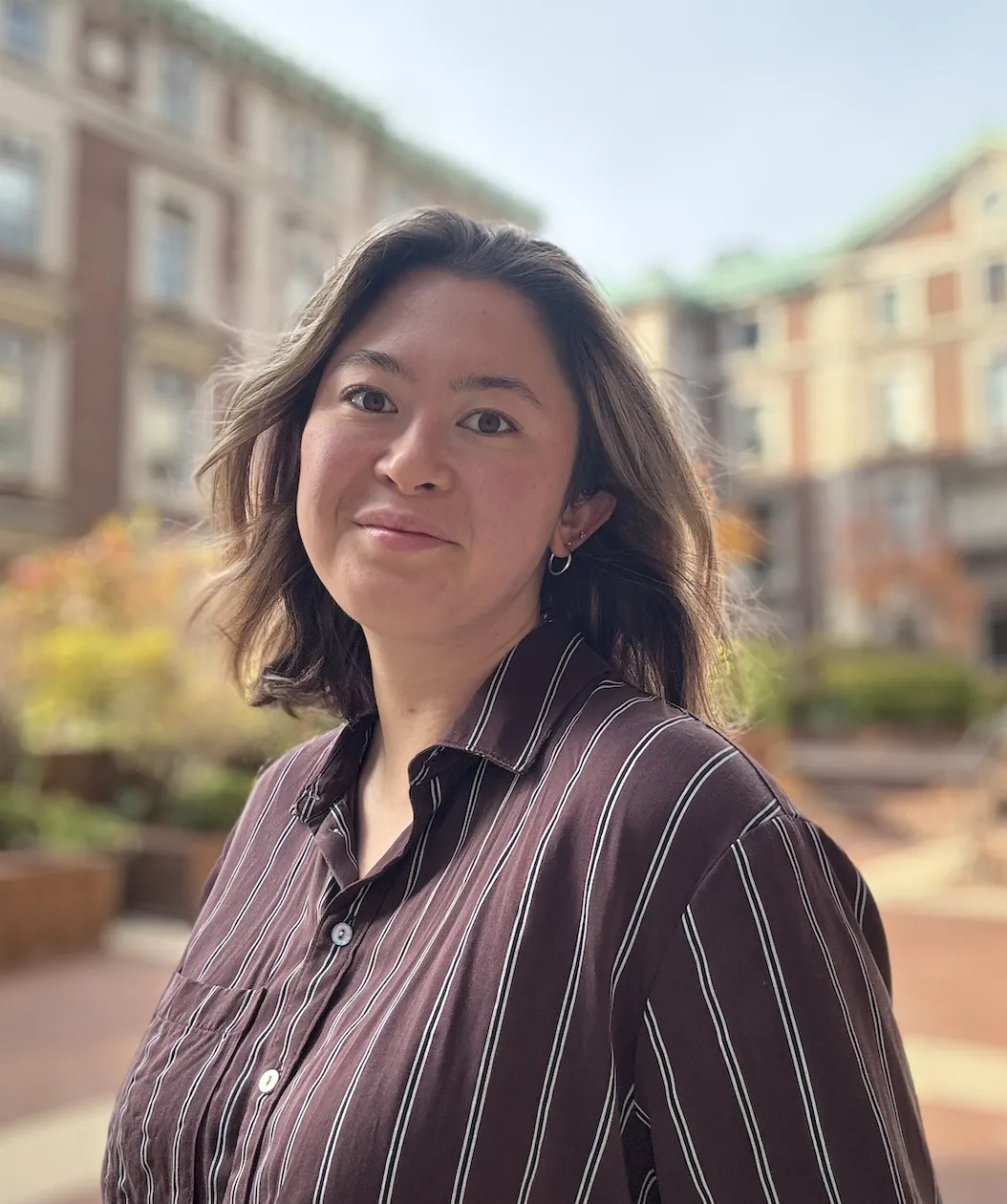
Title: Leveraging perovskites for methane valorization to C2 hydrocarbons
Abstract: Methane is an abundant resource, but its valorization is hindered by the high temperature requirement for converting methane to higher hydrocarbons, which is often done in multi-step reactions requiring large reactors. Non-oxidative methane coupling (NOCM) offers a direct route for C2 production, but the leading thermocatalysts such as Pt on CeO2 maintains high thermal demand (>900ºC) and is hard to characterize due to the dynamic nature of Pt on the CeO2 support. We aim to explore a Pt-doped BaCeO3 perovskite system for NOCM due to its proton conducting properties and improve lattice stabilization of Pt. We have demonstrated that our Pt/BaCeO3 system has a competitive C2 yield of 31.54% and CH4 conversion of 16.36% (WHSV=0.116 ghr-1gcat-1) at 700ºC, effectively lowering the thermal requirement for NOCM. Exerting further control over the local Pt environment to enhance activity is currently being investigated. We plan to harness Pt-BaCeO3 as a dual-functioning catalyst-membrane for use in protonic ceramic electrochemical cells (PCECs).
Bio: Abbey Piatt Price is a second-year PhD student in Chemical Engineering at Columbia University under Dr. Juliana Carneiro. Her current work focuses on heterogeneous catalysis for methane valorization. Abbey aims to explore new levers for surface control of perovskites to achieve dual-functioning catalyst-membrane materials for use in protonic ceramic electrochemical reactors. Previously, Abbey earned a B.S. in Molecular Engineering from the University of Chicago in 2024.
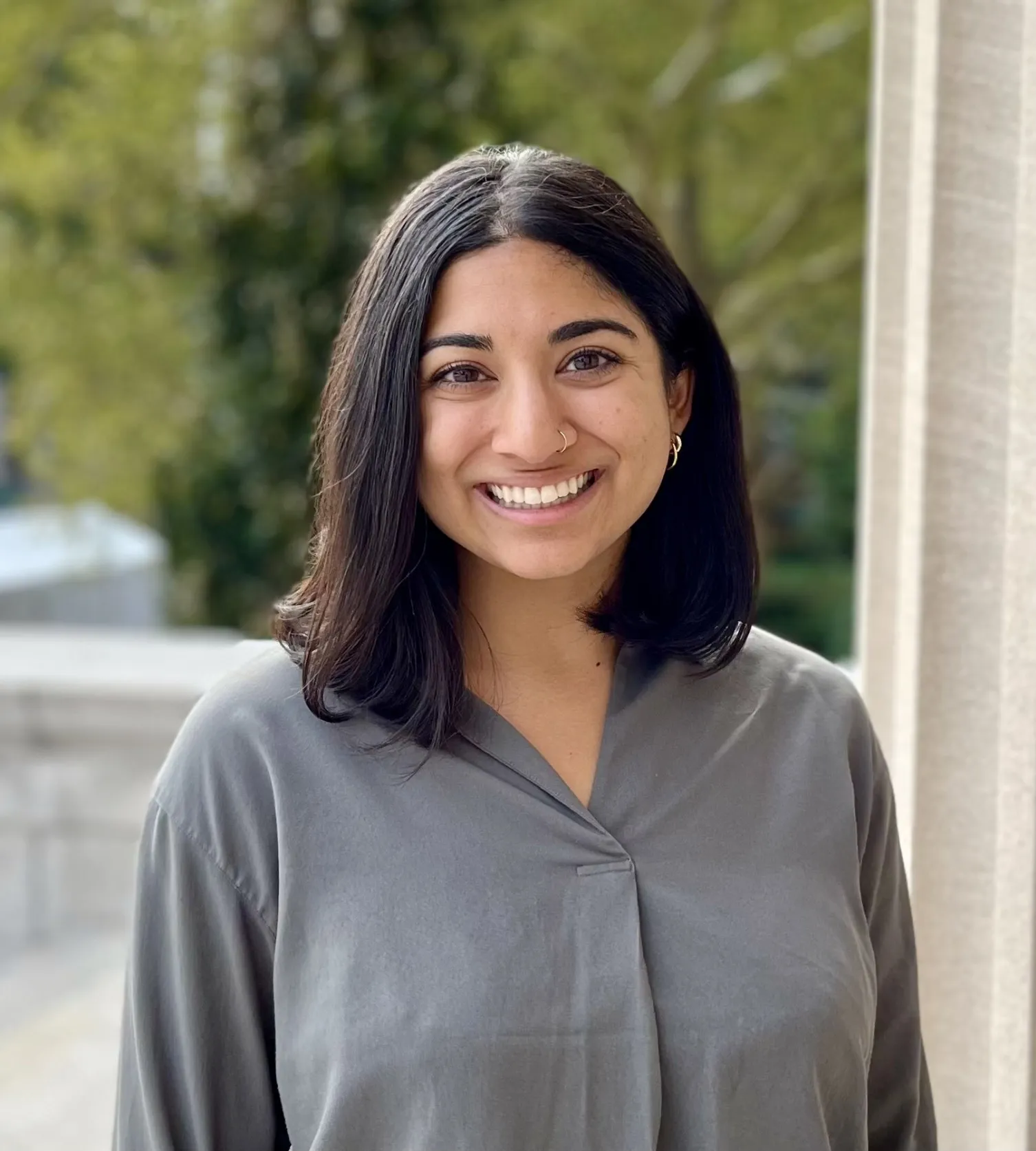
Title: Investigating Electrolyte-Dependent Inefficiencies in Lithium- and Manganese-Rich Cathodes
Abstract: Lithium- and manganese-rich (LMR) layered oxides are one of the most promising high energy density cathodes. Unfortunately, these systems experience significant oxygen loss which leads to various degradation modes and results in voltage and capacity fade. Exacerbating these issues is the instability of ethylene carbonate (EC), one of the fundamental solvents in traditional Li-ion electrolytes, with LMR surface oxygen. In this work, we investigate LMR systems with three classes of electrolytes: traditional EC-containing, EC-containing with additives, and EC-free linear carbonate-based with additives. In addition to electrochemical performance metrics, we leverage operando isothermal microcalorimetry to identify variations in Joule and parasitic heat flow. Additionally, we use operando ultrasound transmission to evaluate chemomechanical evolution during cycling. With this, we seek to provide insight into the impact of EC removal and addition of electrolyte additives on LMR cycling mechanics, degradation modes, and inefficiencies.
Bio: Aamani Ponnekanti graduated from the University of Southern California in 2022 with a major in chemical engineering. She is currently a fourth year PhD student in Dr. Dan Steingart’s lab in the Department of Chemical Engineering. Here, she focuses on investigating degradation modes in next-generation Li-based battery chemistries, specifically through operando ultrasound testing and isothermal microcalorimetry. More recently, she has worked on evaluating operando early-detection of thermal runaway using ultrasound testing in commercial Li-ion batteries.
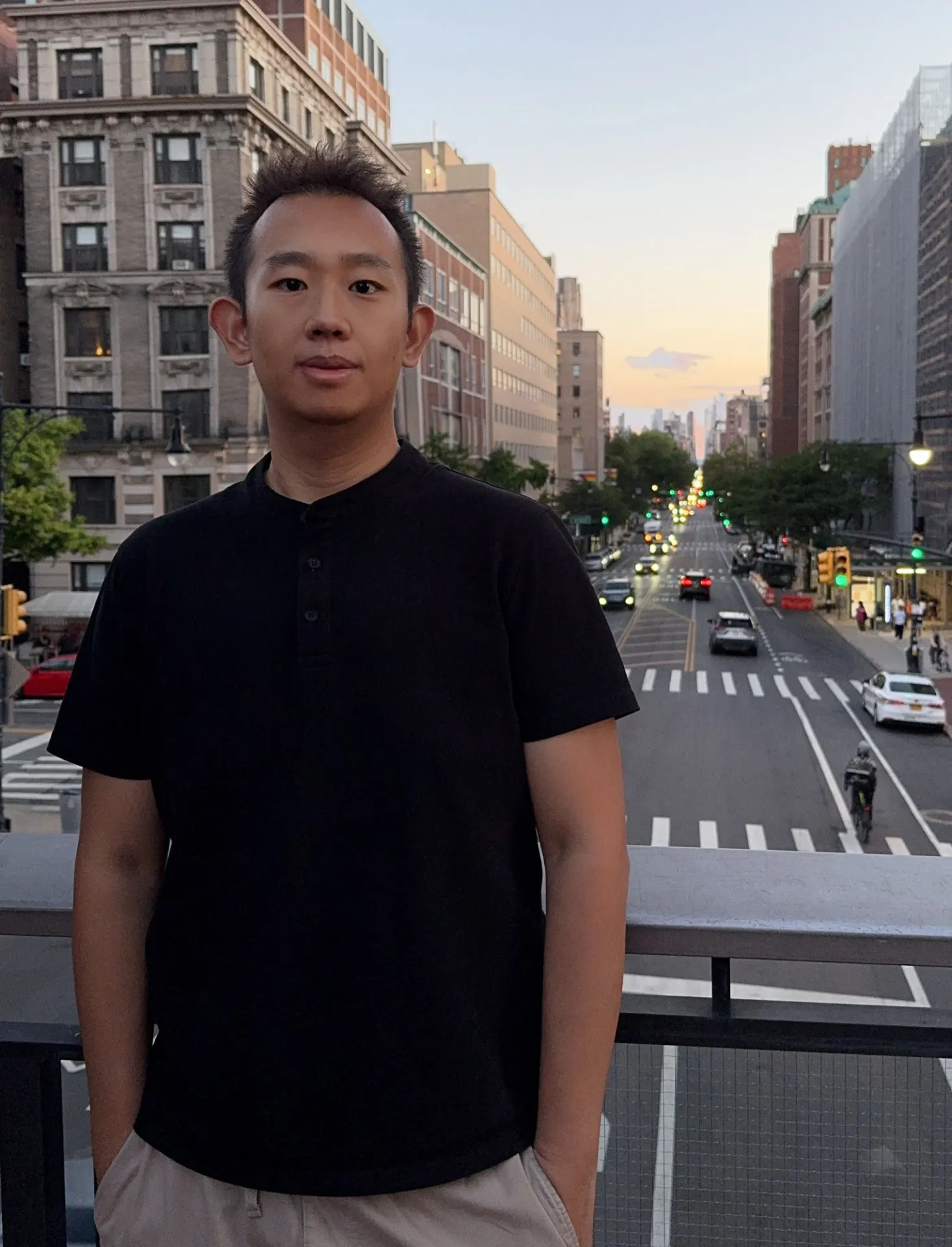
Title: Online Convex Optimization for Coordinated Long-Term and Short-Term Isolated Microgrid Dispatch: A Prediction-Free Framework
Abstract: The key challenge in microgrid dispatch with hybrid short- and long-duration storage resources is the coordination of dispatch policies across multiple timescales under uncertainty. To this end, we propose a novel non-anticipatory coordinated dispatch framework for an isolated microgrid with hybrid short- and long-duration energy storage (LDES). We introduce a convex hull approximation model for nonconvex LDES electrochemical dynamics, facilitating computational tractability and accuracy. To address temporal coupling in SoC dynamics and long-term contracts, we generate hindsight-optimal state-of-charge (SoC) trajectories of LDES and netloads for offline training. In the online stage, we employ kernel regression to dynamically update the SoC reference and propose an adaptive online convex optimization (OCO) algorithm with SoC reference tracking and expert tracking to mitigate myopia and enable adaptive step-size optimization. We rigorously prove that both long-term and short-term policies achieve sublinear regret bounds over time, which decreases with more regression scenarios and finer convex approximations. A stronger tracking penalty initially reduces regret, but an excessively large penalty leads to a slight increase in regret, bounded by the reference learning error. Simulation results show that the proposed method outperforms state-of-the-art methods, reducing costs by 73.4%, eliminating load loss via reference tracking, and achieving an additional 2.4% cost saving via the OCO algorithm. These benefits scale up with longer LDES durations, and the method demonstrates resilience to poor forecasts and unexpected system faults.
Bio: Ning Qi is a postdoctoral research scientist in Earth and Environmental Engineering at Columbia University. He received his Ph.D. degree in Electrical Engineering from Tsinghua University in 2023. Before joining Columbia, he was the postdoc at Digital Power System (DPS) lab at Department of Electrical Engineering, Tsinghua University. He was a visiting scholar at Technical University of Denmark in 2022. He received a B.E. degree in Electrical Engineering from Tianjin University in 2018. His current research focuses on flexibility modeling, optimization under uncertainty and market design for power system with generalized energy storage.
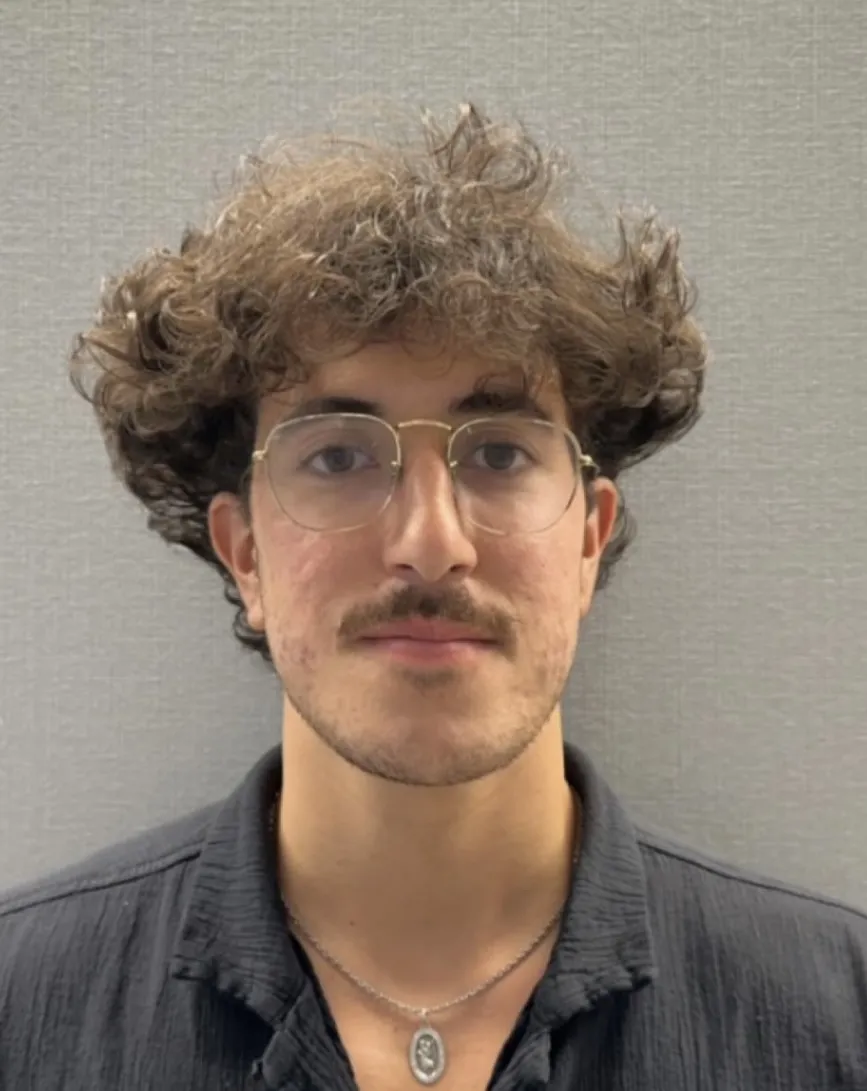
Title: Exploiting Protonic Ceramic Electrochemical Cells to Electrify Chemical Conversions
Abstract: With global energy demands set to rapidly increase comes an urgent need for clean and reliable energy sources. The intermittent nature of renewable energy from solar and wind can be overcome by converting to chemical energy with the use of electrochemical systems. Solid oxide electrochemical cells (SOECs) have gained significant attention due to their high energy efficiencies achieved at elevated operating temperatures. The Carneiro Lab focuses on proton conducting electrochemical cells and using readily available and renewable feedstocks (e.g., water, CO2 , and renewable electricity) to oxidize and reduce chemical species to desirable products (e.g., green hydrogen, green ammonia, synthesis gas (CO, H2), e-methane, and ethylene). Current projects focus on the engineering of active sites in electrode materials for CO2 and N2 reduction. Electrolyte and anode material design is being explored for water oxidation and proton conduction to support cathode reactions. The electrochemical non-oxidative coupling of methane is also being explored as a promising avenue for conversion at lowered temperatures.
Bio: Nic Raffaele is a second-year PhD student in Chemical Engineering at Columbia University under Dr. Juliana Carneiro. His current research focuses on the thermal and electrochemical conversion of CO2 to carbon valued products. Nic is exploring the impact of metal-support interactions to enhance selectivity and stability for electrode materials in protonic ceramic electrochemical cells. Previously, Nic earned a B.S. in Chemical Engineering from The Ohio State University in 2024.
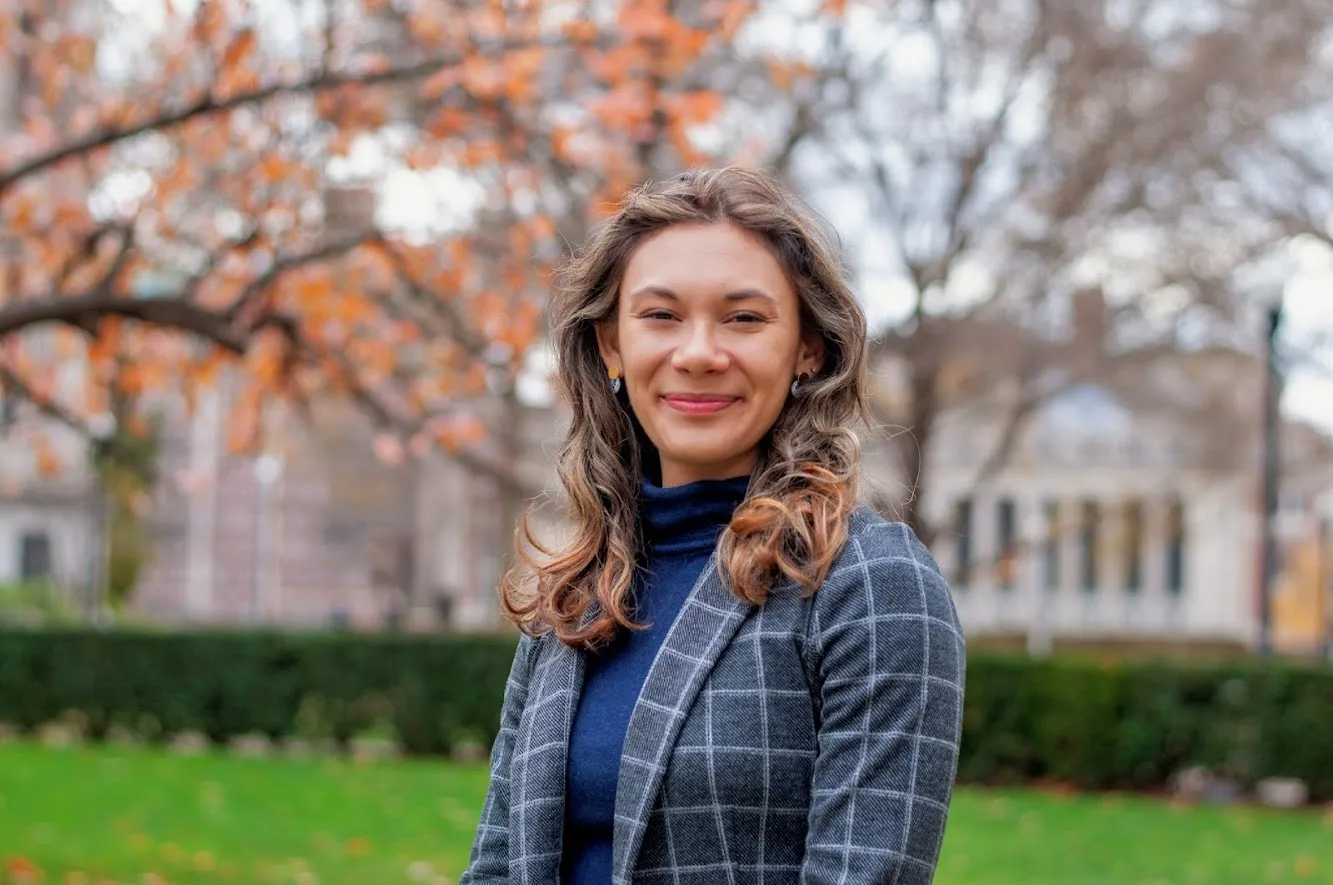
Title: Understanding and Optimizing Biomass-derived Furfural and Furfuryl Alcohol Co-Polymerization for Hard Carbon in Sodium-Ion Batteries
Abstract: Sodium-ion batteries are emerging technologies with certain benefits over lithium-ion batteries. Their safety and stability make them well-suited for large-scale storage, and their market has the potential to utilize diverse supply chains compared to lithium-ion batteries. It is crucial to have a wide distribution of suppliers, ensuring that nations around the world have consistent, viable access to energy, undisturbed by their geopolitical relations with other entities. Using furfural (FF) and furfuryl alcohol (FA) from biomass to produce hard carbon (HC), the primary anode for sodium-ion batteries, presents a sustainable opportunity to broaden its source and production points. In order to optimize high-quality HC syntheses using these components, solution and solid-state nuclear magnetic resonance are used to characterize polymers and determine the mechanisms that FF and FA follow. Main findings show that treating FA with a weak acid promotes beneficial cross-linking, while FF acts as a heat sink for FA-acid exothermic reactions, but requires more thermal energy to chemically react with the polymer system.
Bio: Emily Saldaña is a fifth-year PhD student in Dr. Lauren Marbella’s lab. Her research focuses on optimizing the production and performance of sustainable and geopolitically-conscious materials used in electrodes for lithium-ion and sodium-ion batteries. Emily earned her bachelor’s degree in chemical engineering from the University of California, Irvine, and subsequently earned her chemical engineering master’s from Columbia University. She frequently studies the techno-political aspects of the research she conducts to connect technical viability with its associated social landscapes.
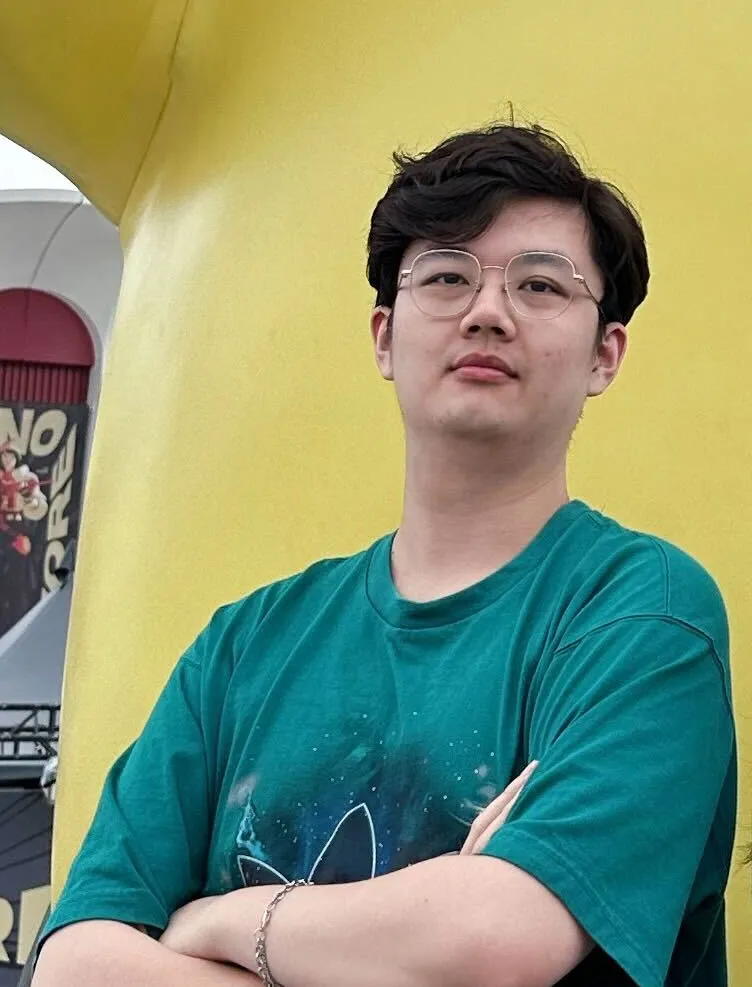
Title: Hydrometallurgy Production of Domestic Nickel for Energy Transition
Abstract: The clean energy transition will necessitate increased production of many critical materials. The centralized processing of ore resources throughout Asia leaves open risk for global supply constrictions and market inflexibility. Domestic, or local-to-the-mine, processing of ore resources is often untenable due to environmental restrictions not aligning with the pollution-intensive processing techniques. Novel chemistries are here utilized to process nickel ores previously only accessible via pyrometallurgy. Redox flow cells are used to generate a leaching solution that solubilizes copper and nickel from the ores. The metals are refined hydrometallurgically, and the leach solution is regenerated via electrochemistry, which allows the process to be powered from renewable energy sources.
Bio: Zeyu Wang graduated from Fudan University in 2022 with B.S. in Chemistry. He is a 2nd-year Ph.D. student in the Department of Chemical Engineering. His research has focused on the hydrometallurgy method to recover critical materials with electrochemically regenerable chemical leaching solution. More recently he is working on the scaling up of the leaching process with continuous reactor design and the leaching conversion improvement with the counter-current leaching process.

Title: Computational Methods for Accelerated Design of Alternative Metal Extraction Processes
Abstract: The energy transition is causing a surging demand for critical and rare-earth metals, raising concerns over the sustainability and efficiency of conventional mineral processing. Alternative methods such as molten salt electrolysis and aqueous leaching are promising but still in development. Molten salt electrolysis is the foundation of global aluminum production and can be generalized to extract other metals sustainably when paired with carbon-free anodes. A[AU1] key challenge is identifying electrolytes with favorable solubility and transport properties. Computation can help narrow down molten-salt compositions to reduce the number of experiments needed for electrolyte design. Aqueous leaching at ambient conditions provides a lower-carbon alternative to pyrometallurgy and can be accelerated with redox agents. Here, computer simulations can be used to predict mineral stability and leaching reactions at different conditions and in the presence of different redox agents. To address these challenges, we use a combination of electronic-structure calculations and machine learning.
Bio: Nathan Zou graduated from Caltech in 2023 with a Bachelor’s degree in Chemical Engineering. Before coming to Columbia, he worked for Blue Current Inc. developing safe and high energy density silicon-composite anodes for solid state lithium-ion batteries. He is a 2nd-year Ph.D. student in the Department of Chemical Engineering, where he leverages density functional theory and machine learning to predict thermodynamic properties of electrolytes for molten salt electrolysis. His research has focused on improving the quantitative accuracy of electronic structure calculation methods to optimize molten salt electrolysis for sustainable metal extraction solutions.