2026 CEEC Fall Symposium - Mines and Feedstocks to Grids, Chemicals, and Materials
2026 CEEC Fall Symposium (Agenda)
The energy transition depends on the science and engineering that makes electrochemistry deployable at scale — from mines and feedstocks through grids, chemicals and materials, and back into circulation. Batteries have to be safe, manufacturable, and affordable at grid scale. Electrolyzers have to compete on cost with incumbents built over a century. Critical minerals, commodity chemicals, and advanced materials have to move from feedstocks to purified products without recreating the environmental burdens we're trying to escape. The CEEC Fall Symposium gathers CEEC faculty, PhDs, postdocs, and industry practitioners working across this arc. Two afternoon sessions — Electrifying Chemicals and Materials, and The Grid Frontier — pair CEEC faculty keynotes with lightning talks and industry panels focused on the technical and commercial problems that matter most. The day closes in Carleton Commons with a reception and poster session showcasing CEEC research and the commercialization pathways emerging from it.
Keynote 1: “Let Electrolysis Take the Main Stage: Materials Synthesis, Fuels, and Closed-Loop Processing” Alan West — Professor, Chemical Engineering, Columbia University
Electrolysis provides a versatile platform for producing fuels, chemicals, and critical materials. This talk examines how scale-up priorities differ across applications, focusing on regenerative electrochemical leaching for critical-mineral processing. Modular electrolysis can enable lower-impact processing, while shifting engineering priorities from energy efficiency toward impurity tolerance, durability, maintainability, and process integration.
Keynote 2: “The Battery Deployment Moment: Getting Manufacturing and Safe Deployment Right” Lauren Marbella — Associate Professor, Chemical Engineering, Columbia University
Batteries are being manufactured and deployed at scales where small differences in materials intensity, yield, lifetime, safety, and uncertainty are amplified across entire energy systems. In this talk, I discuss top-down, systems-driven approaches to selecting technologies for intended applications and developing strategies to qualify performance, safety, and reliability before end-of-life data are available.
Registration closed. Contact [email protected] to request more information.
SYMPOSIUM SPEAKERS, PANELISTS and MODERATORS - order of appearance

Vice Dean of Research for Columbia Engineering; Santiago and Robertina Calatrava Family Professor of Civil Engineering and Engineering Mechanics; Professor of Earth and Environmental Engineering
Professor George Deodatis is the Vice Dean of Research for Columbia Engineering, the Santiago and Robertina Calatrava Family Professor in the Department of Civil Engineering and Engineering Mechanics, as well as Professor of Earth and Environmental Engineering. He started his academic career at Princeton University and joined Columbia University in 2002, serving as chair of his department from 2013 to 2019 (two terms).
Professor Deodatis’ research interests are in the area of probabilistic methods in civil engineering and engineering mechanics, with emphasis on risk analysis and risk management of the civil infrastructure subjected to natural and man-made hazards such as earthquakes, floods, and climate change.
Among his many awards are the National Science Foundation Young Investigator Award and the American Society of Civil Engineers Walter Huber Research Award, and more recently, the 2024 EMI Alfred M. Freudenthal Medal. He is a Distinguished Member of the American Society of Civil Engineers and a Fellow of the Engineering Mechanics Institute of the American Society of Civil Engineers. At Columbia University, he has received the Presidential Award for Outstanding Teaching and the Great Teacher Award from the Society of Columbia Graduates, Columbia's highest teaching honors. He received his bachelor’s degree in Civil Engineering from the National Technical University of Athens in Greece and MS and PhD degrees in Civil Engineering from Columbia University.
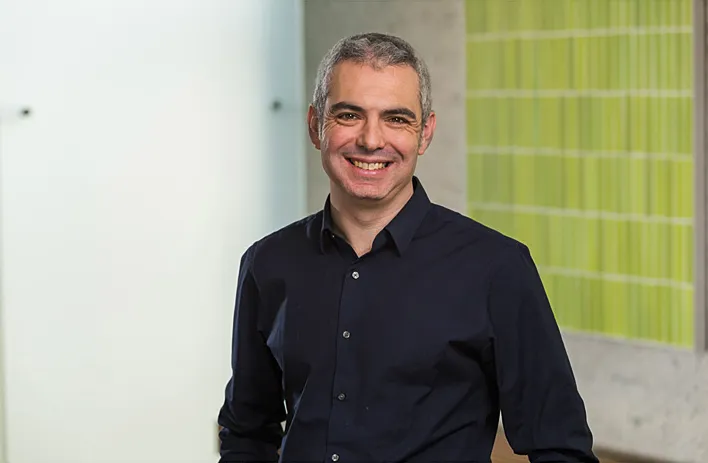
Daniel Steingart is the Stanley Thompson Professor of Chemical Metallurgy and Chemical Engineering, Chair of the Department of Earth and Environmental Engineering, and the co-director of the Columbia Electrochemical Energy Center. His group studies the systematic behaviors of material deposition, conversion, and dissolution in electrochemical reactors with a focus on energy storage devices. His current research looks to exploit traditional failure mechanisms and interactions in batteries and materials productions, turning unwanted behaviors into beneficial mechanisms.
His efforts in this area over the last decade have been adopted by various industries and have led directly or indirectly to seven electrochemical energy related startup companies, the latest being Standard Potential, Innate Energy, and Liminal. Steingart joined Columbia Engineering in 2019 from Princeton University where he was an associate professor in the department of mechanical and aerospace engineering and the Andlinger Center for Energy and the Environment. Earlier, he was an assistant professor in chemical engineering at the City College of the City University of New York. Even earlier he was an engineer at two energy related startups. He received his PhD from the University of California, Berkeley, in 2006.
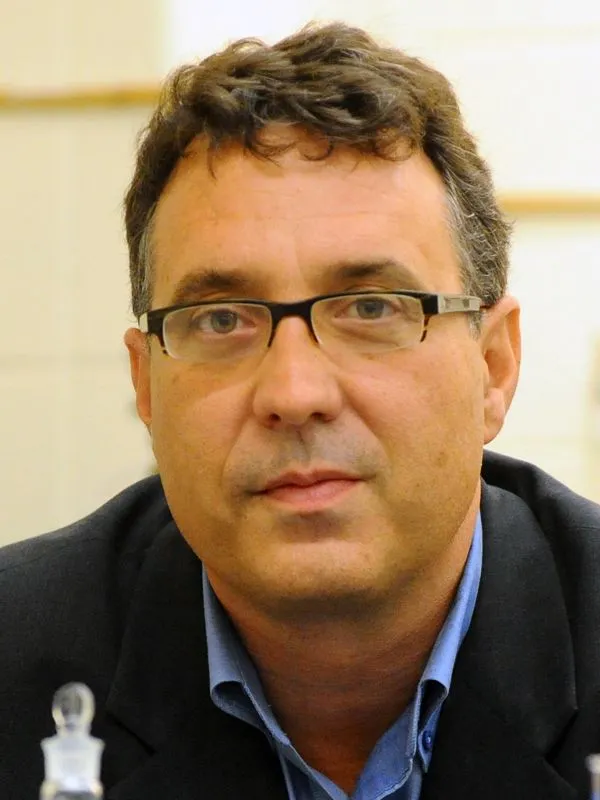
“Let Electrolysis Take the Main Stage: Materials Synthesis, Fuels, and Closed-Loop Processing”
Electrolysis provides a versatile platform for producing fuels, chemicals, and critical materials. This talk examines how scale-up priorities differ across applications, focusing on regenerative electrochemical leaching for critical-mineral processing. Modular electrolysis can enable lower-impact processing, while shifting engineering priorities from energy efficiency toward impurity tolerance, durability, maintainability, and process integration.
Alan West received his PhD in Chemical Engineering from the University of California and his BS from Case Western Reserve University. He is the co-director of the Columbia Electrochemical Energy Center and is the Samuel Ruben-Peter G. Viele Professor of Electrochemistry, with appointments in the Department of Chemical Engineering and the Department of Earth and Environmental Engineering. His research interests include batteries, electrochemical synthesis, fuel cells, and hydrometallurgical extraction of critical materials.
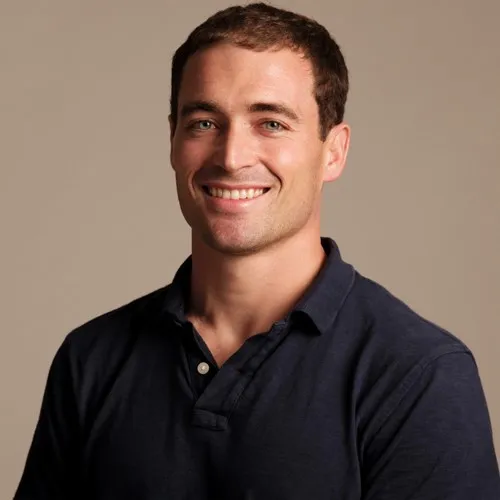
Daniel Esposito received his Ph.D. in Chemical Engineering from the University of Delaware and studied as a postdoctoral research associate at the National Institute of Standards and Technology. He is now an Associate Professor in Chemical Engineering and a core member of the Columbia Electrochemical Energy Center. His group’s research interests relate broadly to electrochemistry for clean energy applications, including but not limited to electrolyzers, fuel cells, and solar fuels generators. Esposito was named a Scialog Fellow in Advanced Energy Storage, an NSF CAREER award winner, and is a co-founder and advisor of the start-up company sHYp BV PBC.
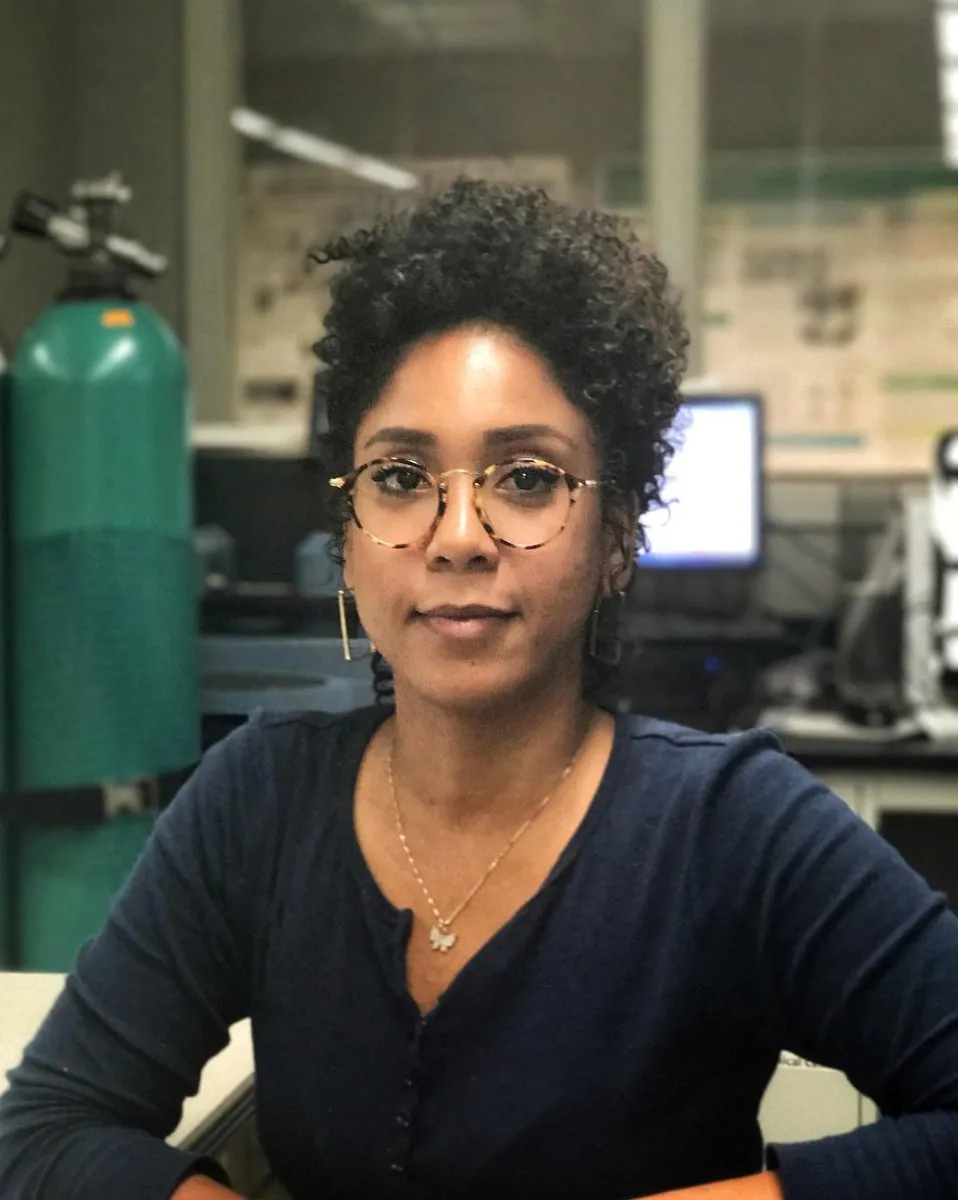
Juliana Carneiro is an Assistant Professor in Chemical Engineering with research interest in electrocatalysis for electrochemical conversion and separation processes. She obtained her Ph.D. in Chemical Engineering from Wayne State University in 2019 and worked as a postdoctoral research fellow at the Georgia Institute of Technology prior to joining Columbia in 2023. Juliana's research interests include capturing and storing or utilizing CO2 from oceans or atmosphere and the electrochemical recycling/upcycling of post-consumer plastics. She has received several awards for her work, including the Ralph H. Kummler Award and the Women's Initiatives Committee's AIChE Travel Award.
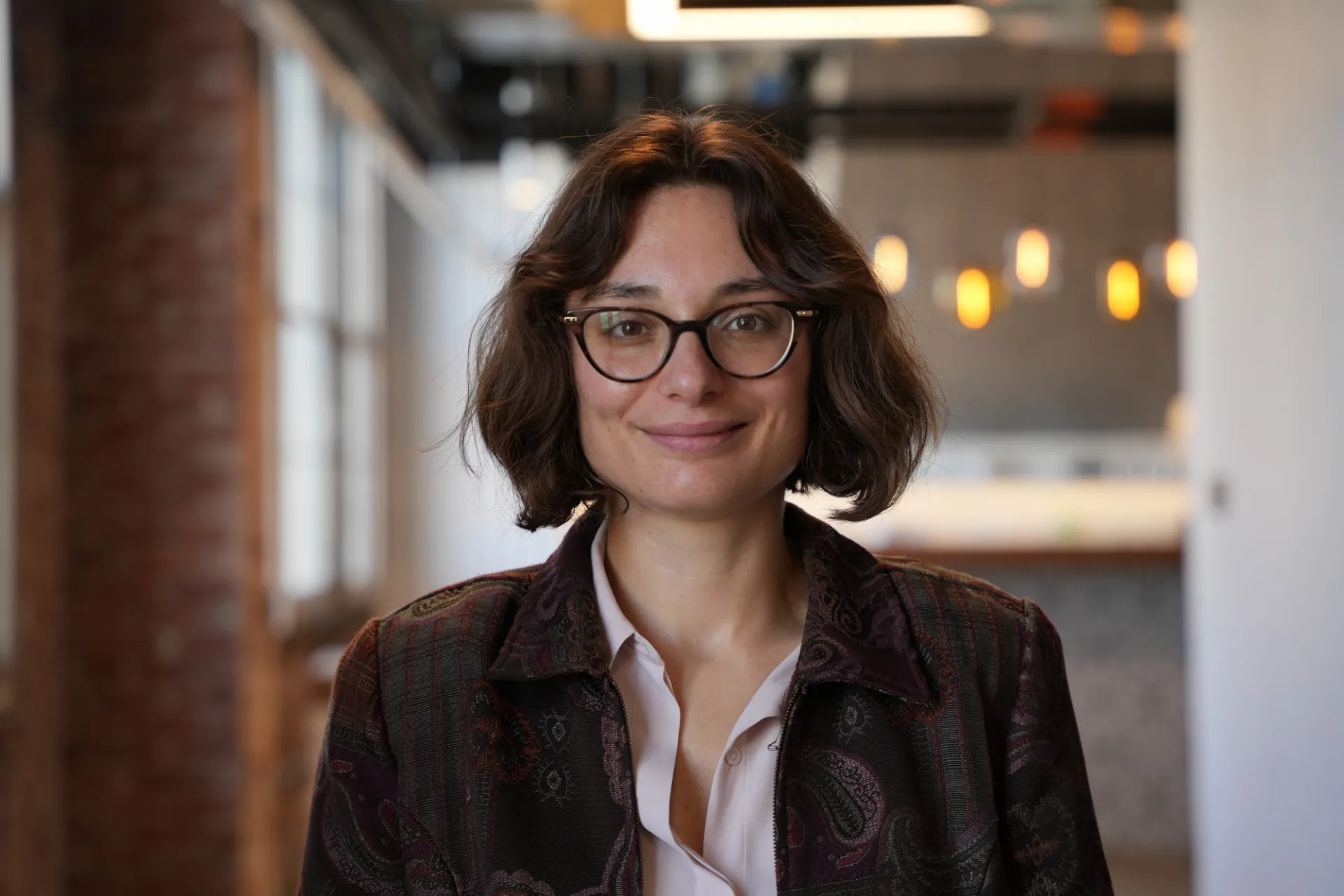
Katharine Greco is VP of Commercialization at Still Bright, Inc., where she leads the product team and works directly with mining partners to bring RACER, the company's electrochemical copper processing technology, to market. Previously, she was at ARPA-E, identifying disruptive technologies in energy and climate and mapping their pathways from lab to commercial deployment. Katharine holds a PhD in Chemical Engineering from MIT, where her research focused on vanadium redox flow batteries. She brings a technical foundation and a track record of translating early-stage innovation into commercial impact to her work advancing electrochemical solutions for heavy industry.
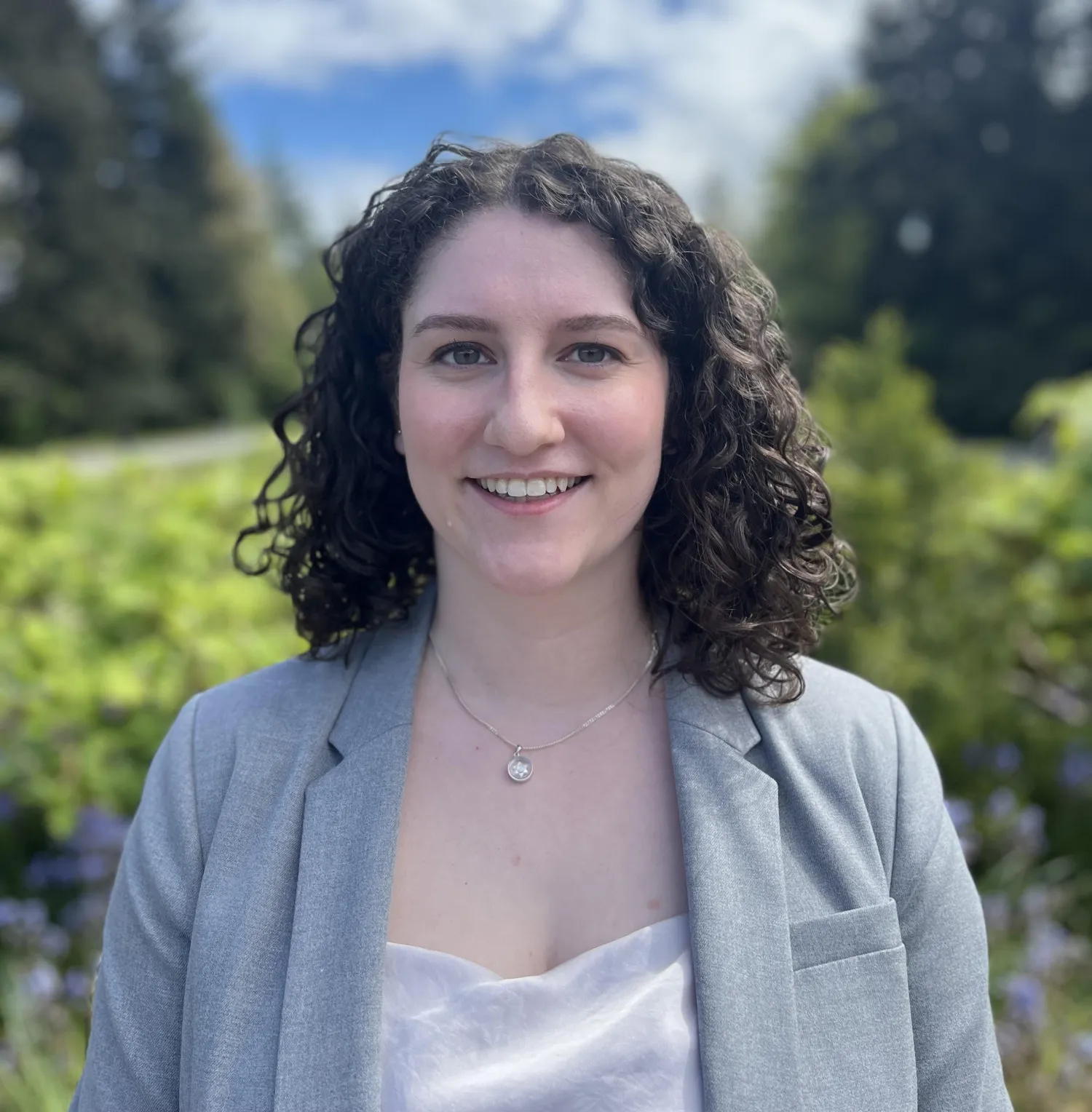
Micaela Homer leads the development and characterization of materials for Sora Fuel’s bicarbonate electrolyzer. The technology enables the electrochemical conversion of carbon from direct air capture while eliminating the need for energy-intensive CO₂ regeneration from sorbents. Since Sora began experimental work two years ago, the team has improved the electrolyzer’s performance and scale by orders of magnitude. Before joining Sora, Micaela earned her PhD in chemistry from the University of Washington, where she developed electrochemical methods for quantifying quantum dot photocatalysis.

“The Battery Deployment Moment: Getting Manufacturing and Safe Deployment Right”
Batteries are being manufactured and deployed at scales where small differences in materials intensity, yield, lifetime, safety, and uncertainty are amplified across entire energy systems. In this talk, I discuss top-down, systems-driven approaches to selecting technologies for intended applications and developing strategies to qualify performance, safety, and reliability before end-of-life data are available.
Lauren Marbella is an Associate Professor in the Department of Chemical Engineering at Columbia University. Her research group focuses on understanding the relationship between electrochemical performance and interfacial chemistry in devices for energy storage and conversion. Marbella’s research has received numerous awards including the ASME Rising Star of Mechanical Engineering Award (2024), ACS Materials Au Rising Stars in Materials Research Award (2022), Cottrell Scholar Award (2022), the National Science Foundation (NSF) Faculty Early Career Development (CAREER) Award (2021), and the Scialog Collaborative Innovation Award for Advanced Energy Storage (Sloan Foundation, 2019).
She received her PhD in chemistry from the University of Pittsburgh in 2016, under the direction of Prof. Jill Millstone. In 2017, she was named a Marie Curie Postdoctoral Fellow at the University of Cambridge in the group of Prof. Clare Grey. There, she was also named the Charles and Katharine Darwin Research Fellow, which recognizes the top junior fellow at Darwin College at the University of Cambridge. She joined the chemical engineering faculty at Columbia University in 2018.
Daniel Steingart is the Stanley Thompson Professor of Chemical Metallurgy and Chemical Engineering, Chair of the Department of Earth and Environmental Engineering, and the co-director of the Columbia Electrochemical Energy Center. His group studies the systematic behaviors of material deposition, conversion, and dissolution in electrochemical reactors with a focus on energy storage devices. His current research looks to exploit traditional failure mechanisms and interactions in batteries and materials productions, turning unwanted behaviors into beneficial mechanisms.
His efforts in this area over the last decade have been adopted by various industries and have led directly or indirectly to seven electrochemical energy related startup companies, the latest being Standard Potential, Innate Energy, and Liminal. Steingart joined Columbia Engineering in 2019 from Princeton University where he was an associate professor in the department of mechanical and aerospace engineering and the Andlinger Center for Energy and the Environment. Earlier, he was an assistant professor in chemical engineering at the City College of the City University of New York. Even earlier he was an engineer at two energy related startups. He received his PhD from the University of California, Berkeley, in 2006.
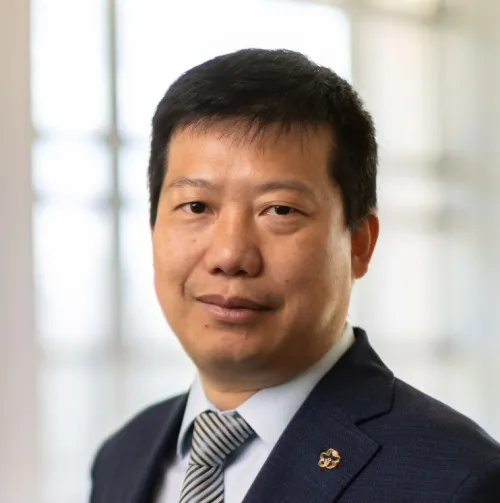
Yan Yao is a professor at Columbia University, Department of Earth and Environmental Engineering and of Climate, and a core faculty in Columbia Electrochemical Energy Center. His research interests include solid-state and next-generation batteries for grid, transportation, and healthcare applications; sustainable electrode materials that reduce reliance on critical minerals; and autonomous materials discovery and battery manufacturing. He received his Ph.D. degree from the University of California, Los Angeles in 2008, followed by postdoctoral training at Stanford. Before joining Columbia, he was the Hugh Roy and Lillie Cranz Cullen Distinguished Professor of Electrical and Computer Engineering at the University of Houston and a principal investigator at the Texas Center for Superconductivity. He is a Fellow of the Royal Society of Chemistry and a senior member of the National Academy of Inventors and the IEEE.
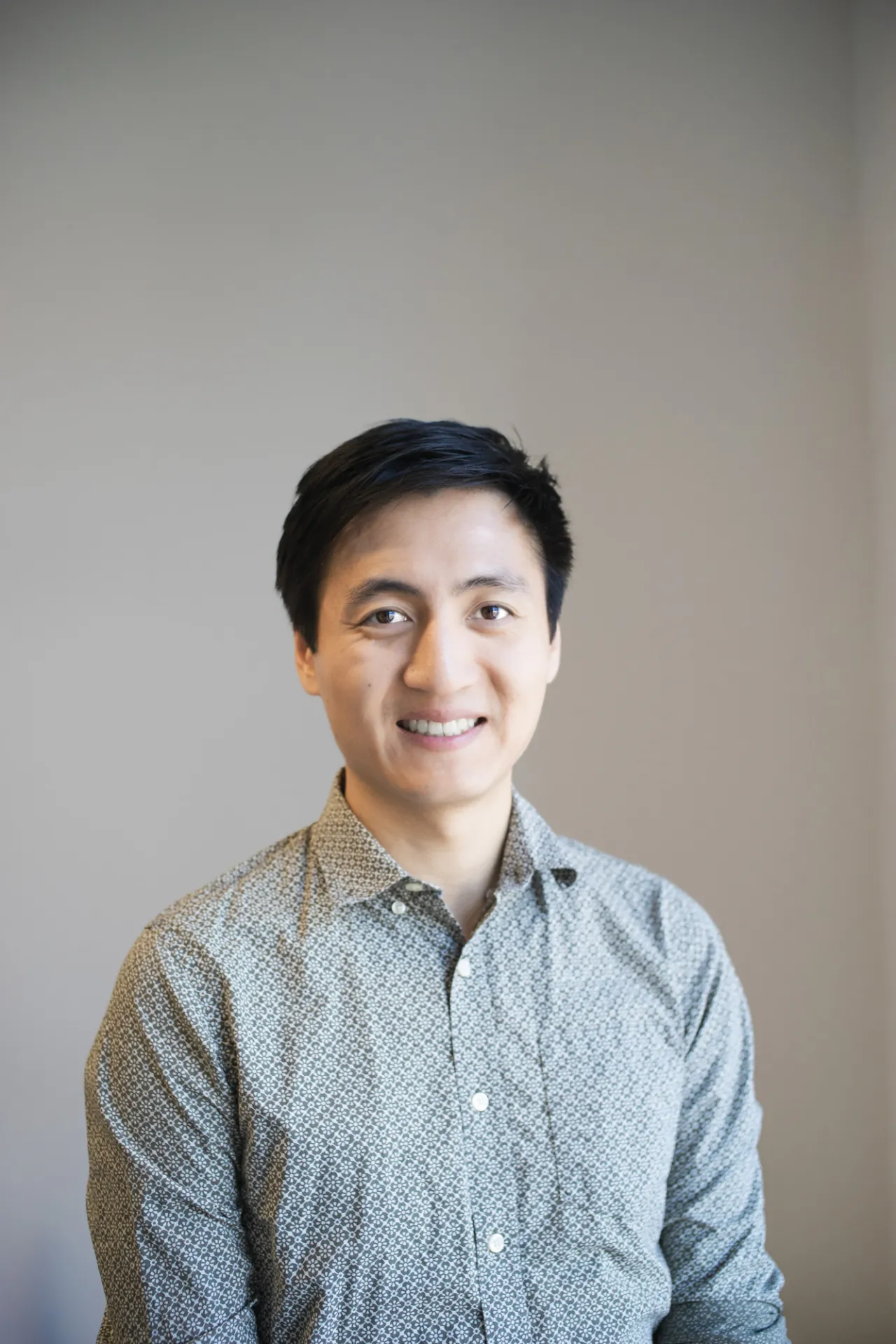
Richard May is co-founder and CTO of Every Electric, a New York company operating the city's largest indoor residential battery virtual power plant. He earned a B.S. in chemical engineering from Caltech and a Ph.D. in chemical engineering from Columbia, where he stayed on as a postdoctoral researcher working on lithium-ion battery recycling. Before that he spent a formative tenure on Tesla's Cell Quality team, where he validated the Model 3 cell chemistry. At Every Electric he leads the engineering team building grid-edge storage for distribution-grid flexibility.
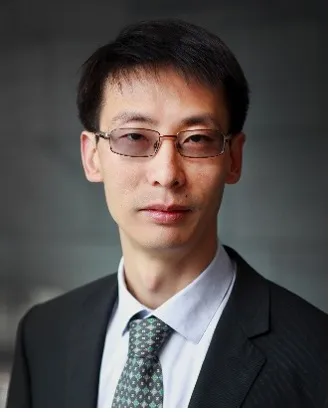
Dr. Yi Wang is Vice President and Research Area Director for Fire Hazard and Protection at FM. He oversees research programs in fire dynamics, materials flammability, fire modeling, suppression technologies, explosions, and battery safety. Dr. Wang is an Associate Editor of Fire and Materials and serves on the editorial boards of Fire Safety Journal and Fire Technology. He is elected as the Fellow of The Combustion Institute in 2025. He has also served as Program Chair and Symposium Chair for the 14th and 15th International Association for Fire Safety Science (IAFSS) symposia.
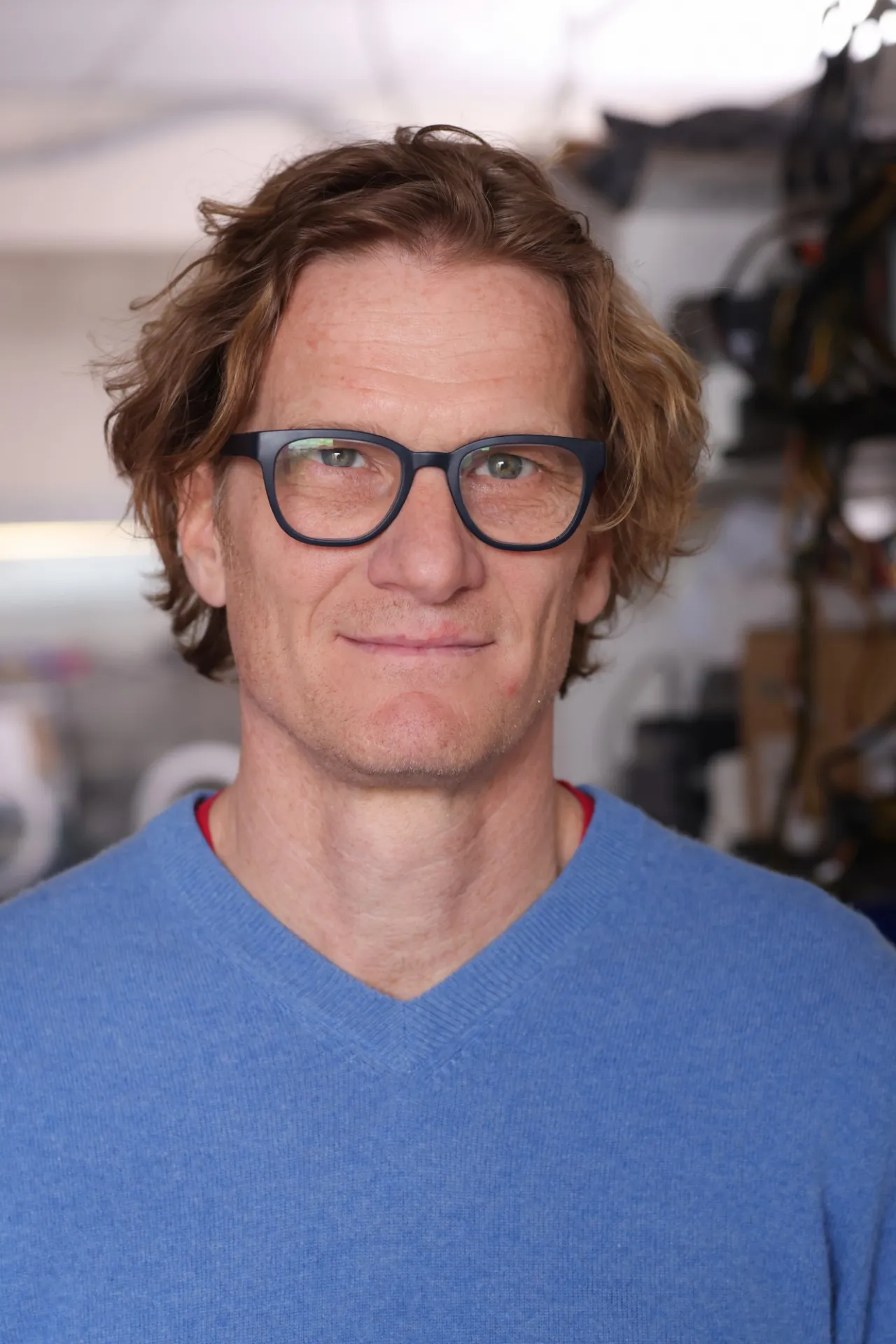
Jeff Fitts is the Executive Director of the Columbia Electrochemical Energy Center and a Research Scientist in the Department of Chemical Engineering. He develops industry sponsored research projects with CEEC core faculty aimed at accelerating the adoption of energy storage and conversion technologies. His research collaboration focuses on sustainable processing and recycling of critical materials.
Lightning Talk Presenters and Abstracts - order of appearance

Title: Computational Methods for Accelerated Design of Alternative Metal Extraction Processes
Abstract: Mitigating carbon emissions associated with conventional metal extraction requires cleaner metallurgical technologies, and molten salt electrolysis offers a promising alternative. Experimental characterization of molten salt electrolytes across diverse chemistries is challenging, motivating predictive modeling of electrolyte properties. Melting temperature is critical for defining the operating window of molten electrolytes and provides a benchmark for atomistic models to describe both crystalline and molten phases. Here, we predict melting temperatures of halide salts using first-principles-based universal machine-learning interatomic potentials (MLIPs) with a coexistence simulation approach, demonstrating efficient modeling of solid-liquid phase behavior with improved transferability over classical potentials. By incorporating long-range dispersion into the MLIP-driven simulation, we show that physics-informed corrections can compensate for missing interactions in the underlying DFT training data. This work establishes a predictive atomistic framework for molten halides and provides a foundation for predicting eutectic phase behavior, solvation, and ionic conductivity, key properties in molten salt electrolyte design.
Bio: Nathan Zou graduated from Caltech in 2023 with a Bachelor’s degree in Chemical Engineering. Before coming to Columbia, he worked for Blue Current Inc. developing safe and high energy density silicon-composite anodes for solid state lithium-ion batteries. He is a 3rd-year Ph.D. student in the Department of Chemical Engineering, where he leverages density functional theory and machine learning interatomic potentials to predict thermodynamic properties of electrolytes for molten salt electrolysis. His research has focused on improving the quantitative accuracy of first-principles-based calculation methods to optimize molten salt electrolysis for sustainable metal extraction solutions.
Title: Enhancing Acidic Oxygen Evolution Activity by Supporting Iridium Electrocatalysts on Tantalum Carbide
Abstract: For a high-performance proton exchange membrane water electrolyzer (PEMWE), acidic oxygen evolution reaction (OER) electrocatalysts require highly dispersed iridium oxide (IrOx) nanoparticles. Although carbon-based materials have been explored as promising supports for IrO nanoparticles, their limited stability under harsh oxidative and acidic PEMWE conditions remains a significant challenge. In this study, we report the synthesis and in-situ characterization of active and durable IrOx electrocatalysts supported on electrochemically stable and electrically conducting tantalum carbide (TaC). When applied in a PEMWE, the IrOx/TaC electrocatalyst achieves a cell voltage of 1.71 V at 1.0 A cm–2, outperforming the commercial IrO2 catalyst (1.82 V at 1.0 A cm–2). Furthermore, the IrOx/TaC catalyst maintains a stable operation for 200 h at 0.5 A cm–2 with a low degradation rate of 36 μV h–1. Density functional theory calculations further confirm that Ir–O–Ta bond formation at the IrOx/TaC interface reduces the overpotential of the OER compared to IrO2. This study underscores the pivotal role of supporting IrOx over stable and conducting metal carbides, providing guidance for the design of advanced acidic OER catalysts.
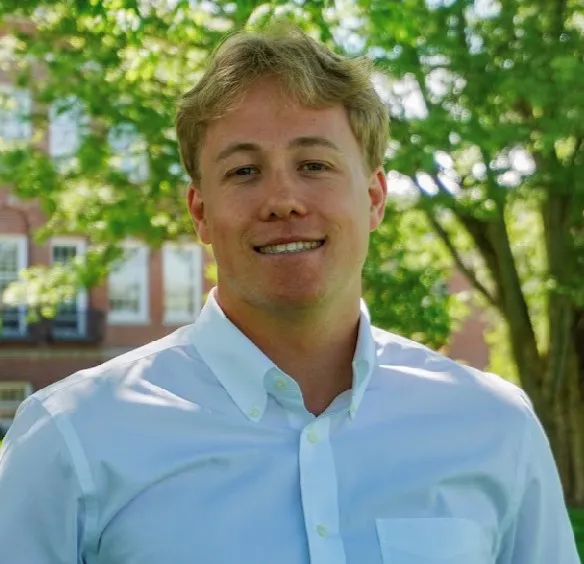
Bio: Nathaniel Nichols is a fifth-year Ph.D. student in Chemical Engineering at Columbia University working under Prof. Jingguang Chen and Prof. Daniel Esposito. His work focuses on utilizing transition metal carbide and nitride supports to decrease the loading of platinum group metals in sustainable electrochemical reactions. Previously, Nathaniel earned a B.S. in Chemical Engineering from the University of New Hampshire in 2022.
Title: Leveraging perovskites for methane valorization to C2 hydrocarbons
Abstract: Methane is an abundant resource, but its valorization is hindered by the high temperature requirement for converting methane to higher hydrocarbons, which is often done in multi-step reactions requiring large reactors. Non-oxidative methane coupling (NOCM) offers a direct route for C2 production, but the leading thermocatalysts such as Pt on CeO2 maintains high thermal demand (>900ºC) and is hard to characterize due to the dynamic nature of Pt on the CeO2 support. We aim to explore a Pt-doped BaCeO3 perovskite system for NOCM due to its proton conducting properties and improve lattice stabilization of Pt. We have demonstrated that our Pt/BaCeO3 system has a competitive C2 yield of 31.54% and CH4 conversion of 16.36% (WHSV=0.116 ghr-1gcat-1) at 700ºC, effectively lowering the thermal requirement for NOCM. Exerting further control over the local Pt environment to enhance activity is currently being investigated. We plan to harness Pt-BaCeO3 as a dual-functioning catalyst-membrane for use in protonic ceramic electrochemical cells (PCECs).
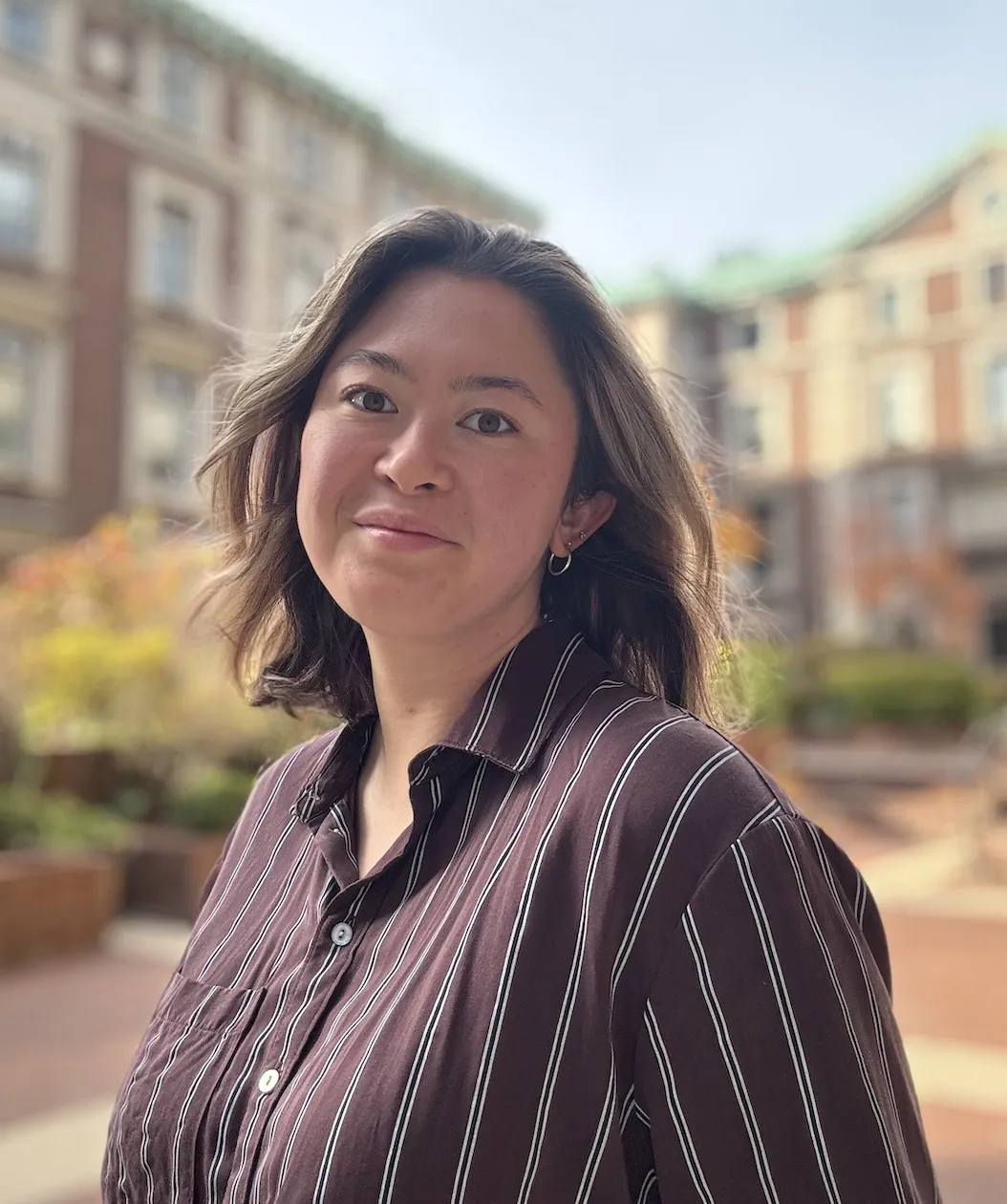
Bio: Abbey Piatt Price is a second-year PhD student in Chemical Engineering at Columbia University under Dr. Juliana Carneiro. Her current work focuses on heterogeneous catalysis for methane valorization. Abbey aims to explore new levers for surface control of perovskites to achieve dual-functioning catalyst-membrane materials for use in protonic ceramic electrochemical reactors. Previously, Abbey earned a B.S. in Molecular Engineering from the University of Chicago in 2024.

Title: Ultrathin Proton-Conducting Oxide Membranes for High-Capacity Water Electrolysis
Abstract: Driven by environmental and health concerns over per- and polyfluoroalkyl substances (PFAS), there is growing interest in fluorine-free proton-exchange membranes (PEMs) for fuel cells and water electrolyzers. This study compares the key transport properties of sub-micron thick, PFAS-free amorphous silicon dioxide (SiO₂) membranes with Nafion™, the
industry-standard fluorinated PEM. Proton conductivity, hydrogen permeability, and electronic resistivity were evaluated using model thin films deposited by atomic layer deposition (ALD). While undoped SiO₂ exhibits H⁺ conductivities 3–4 orders of magnitude below Nafion, doping with phosphates (POₓ) enhances conductivity, enabling area-specific membrane resistances of POₓ–SiO₂ membranes with thicknesses less than 50 nm to be lower than Nafion-117. Calculations based on the measured hydrogen permeability of dense SiO₂ indicate that a 50 nm-thick film would allow safe operation at pressures up to approximately 100 bar by keeping hydrogen crossover within acceptable limits, despite its nanoscale thickness. To bridge thin-film properties with device performance, we fabricated full-cell proton-conducting oxide membrane (POM) electrolyzers. A device based on a 100 nm thick SiO₂ membrane was demonstrated with efficiency comparable to a conventional PEM electrolyzer based on Nafion-115, while a 500 nm POₓ–SiO₂ membrane maintained stable operation for 90 h at 1.8 A cm⁻², demonstrating excellent durability under high current density. Collectively, these results position ALD SiO₂ and POₓ–SiO₂ as scalable, PFAS-free membrane technologies that can surpass Nafion in select performance areas—including hydrogen crossover and membrane resistance—while demonstrating durability in full electrolyzer device testing.
Bio: Jingjing Jin is a 5th year chemical engineering Ph.D. student in Dr. Daniel Esposito’s research group. Her research focuses on the development of ultrathin proton-conducting oxide membranes for water electrolysis. Prior to studying at Columbia, Jingjing received a B.S. in chemistry from Rutgers University.
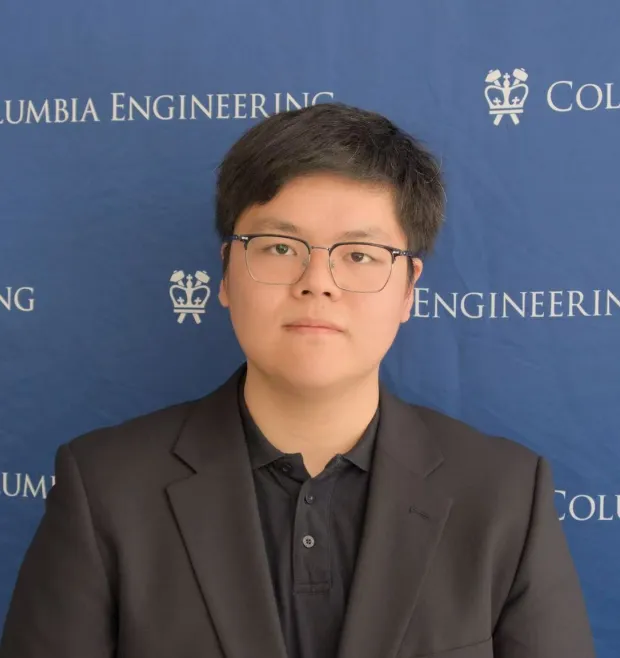
Title: Mapping Battery Heterogeneity with Rotational Ultrasound
Abstract: Cylindrical batteries exhibit spatial heterogeneity due to their wound jelly-roll architecture, manufacturing variability, mechanical deformation, and non-uniform degradation during cycling. Conventional single-point ultrasonic measurements may miss these localized variations. Here, we introduce Rotating Operando Acoustic Diagnostics (ROAD), a low-cost ultrasonic platform that maps angle-dependent acoustic transmission through cylindrical cells. By rotating the cell between fixed transmitting and receiving transducers, ROAD acquires transmitted waveforms at defined angular positions and extracts peak-to-peak amplitude to construct spatial acoustic maps during cycling. These measurements reveal pronounced angular variation in acoustic response and show that the acoustic landscape evolves with state of charge and cycling history. ROAD provides a simple approach for probing internal battery heterogeneity and studying degradation and localized failure in cylindrical cells.
Ruihan Zhang is a Ph.D. student in the Department of Earth and Environmental Engineering at Columbia University, working with Prof. Dan Steingart in the Columbia Electrochemical Energy Center. His research focuses on acoustic diagnostics and operando characterization of lithium-ion batteries, with particular interest in spatial heterogeneity, state evolution, degradation, and failure mechanisms in diverse electrochemical energy storage systems.
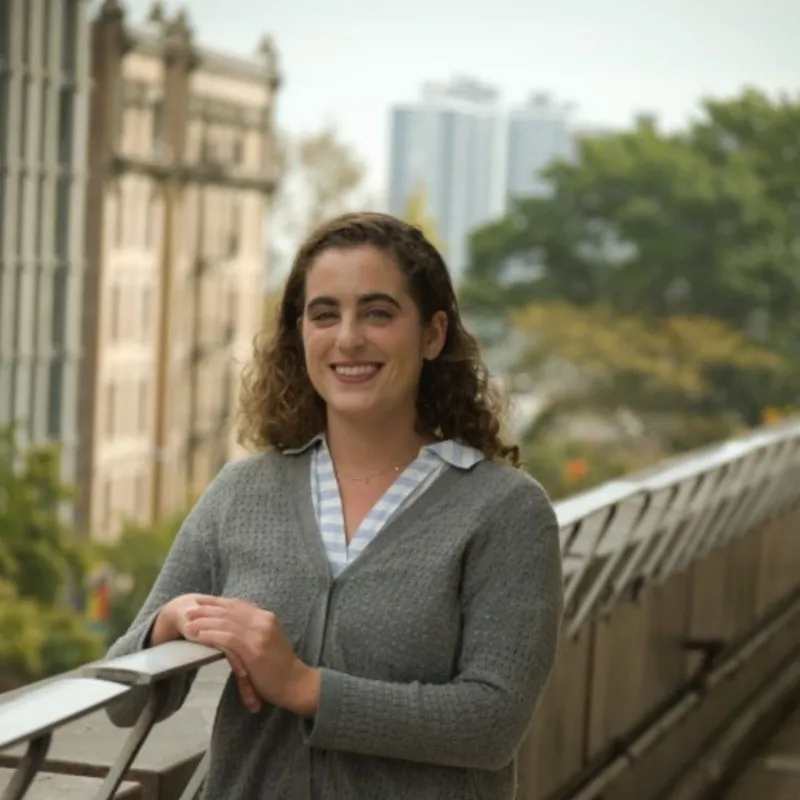
Title: Real-time Coordination of Cascaded Hydropower under Decision-Dependent Uncertainty
Abstract: This study proposes a real-time control framework for cascaded hydropower systems that incorporates decision-dependent uncertainty (DDU) to capture the coupling of streamflow uncertainties across the reservoirs. The framework provides enhanced protection for hydropower operations during inflow shortages. We formulate a joint chance-constrained optimization problem to ensure reliable system operation under uncertainty and develop a tractable supporting hyperplane algorithm that enables explicit, adaptive risk allocation under DDU. We establish the convergence of the proposed method and show its risk allocation behavior under steady-state conditions. A case study based on the Lower Columbia River Basin demonstrates that incorporating DDU yields a more conservative operating policy for protecting reservoir storage under uncertainty while increasing total generation. Sensitivity analyses of the dry-season streamflow conditions further highlight the value of adaptive risk allocation for resilient and risk-aware hydropower operations. This work supports the role of cascaded hydropower as an adaptive resource for enhancing power grid reliability.
Eliza Cohn is a fourth-year PhD Student in Earth & Environmental Engineering under Dr. Bolun Xu and Dr. Upmanu Lall of the Columbia Water Center. Her work focuses on modeling stochastic hydrologic conditions and how their impact on the reliability of cascaded hydropower systems can be managed to provide real-time support to the power grid. Previously, Eliza earned a B.S. in Electrical Engineering and Mathematics from Johns Hopkins University in 2020.
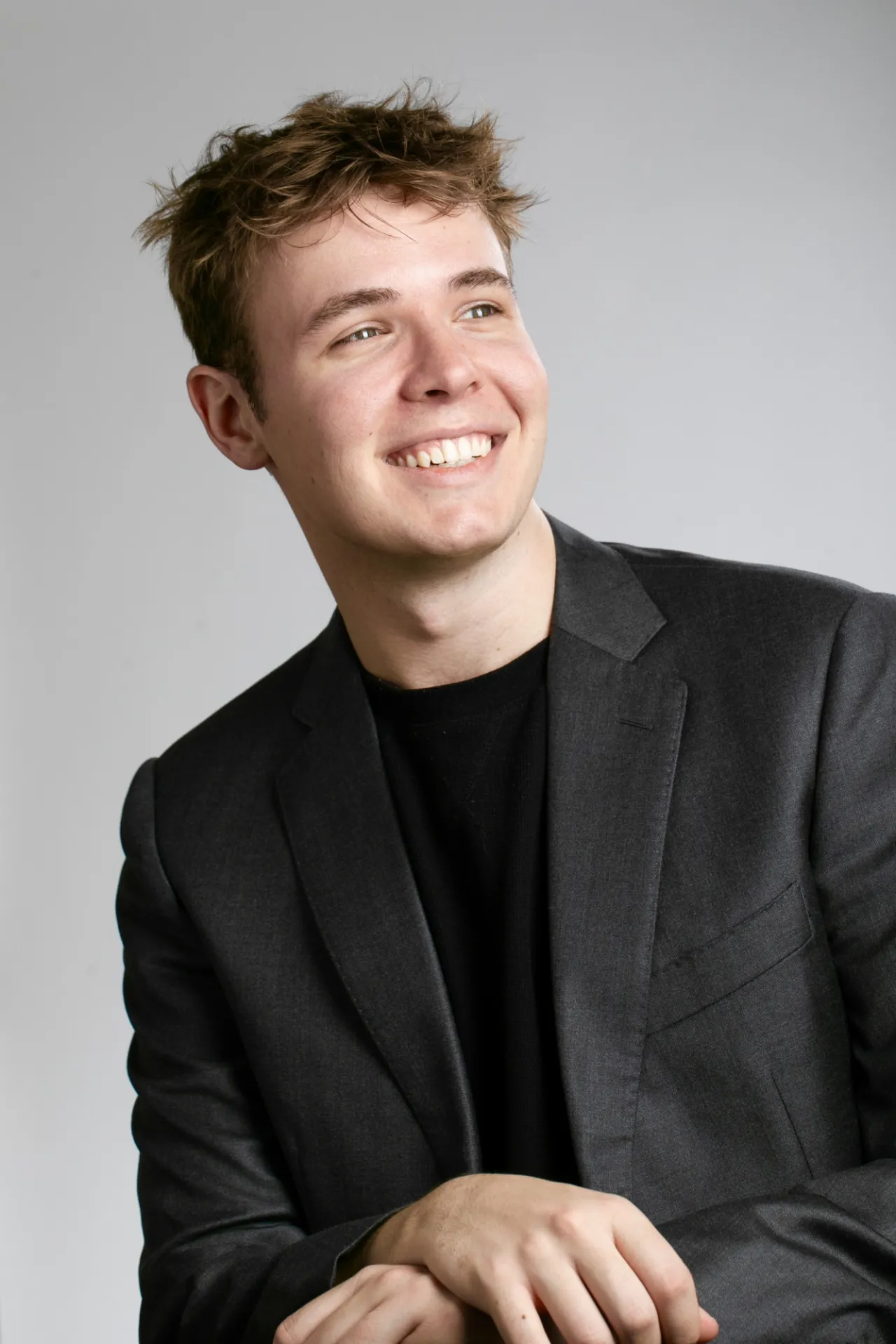
Title: Framework for Understanding Electrochemical Behavior in Synthetic Graphites
Abstract: The demands of electrification require significant increases in global synthetic graphite supply. However, current battery-grade specifications fail to guarantee consistent electrochemical performance, especially as new producers enter the market without established process knowledge. Performance comparisons between vendors are limited by a lack of understanding of how the microstructural features that co-evolve during graphitization individually influence electrochemical properties. Using complementary surface and bulk characterization, we resolve structural evolution across needle-coke-derived carbons annealed at eight temperatures from 1200 to 2850°C, connecting defect density, crystallite dimensions, interlayer strain, and stacking order to delithiation capacity, first-cycle efficiency, and solvent-reduction behavior. We find that graphitization temperature simultaneously governs the onset potential for electrolyte decomposition and the mechanical susceptibility of the graphite interlayer to co-intercalation-driven exfoliation. As defects anneal out with increasing temperature, SEI formation shifts to lower potentials, opening a window for solvated lithium to enter the interlayer before the surface is passivated. In the most graphitic samples, reduction of co-intercalated solvent triggers layer separation, exposing fresh graphite surface that consumes additional lithium capacity during passivation. Graphites annealed at intermediate temperatures, however, retain residual structural defects that pin the interlayer during the first lithiation. Suppression of the transition to low-strain AA stacking prevents exfoliation even under conditions favorable for co-intercalation and delivers greater than 95% first-cycle efficiency in a conventional carbonate electrolyte without additives or surface coatings. These results establish a mechanistic framework that connects graphite processing history to electrochemical behavior and provide rational design principles for engineering the bulk microstructure beyond conventional surface treatments.
Christopher Owen earned his B.S. in Chemical Engineering, graduating Summa Cum Laude from Northeastern University in 2022 with a minor in Materials Science Engineering. He has over nine years of experience in energy storage R&D across academia (Northeastern, University of Milan, Columbia) and industry (24M Technologies, Form Energy). Christopher is a 5th-year PhD candidate in Dan Steingart’s lab at Columbia, where his research focuses on the reaction dynamics of carbonaceous materials in Li- and Na-ion systems. His goal is to establish design principles for cost-competitive grid storage, using operando ultrasound and synchrotron x-ray techniques to probe microstructural changes and gas evolution.
Poster Presenters and Abstracts
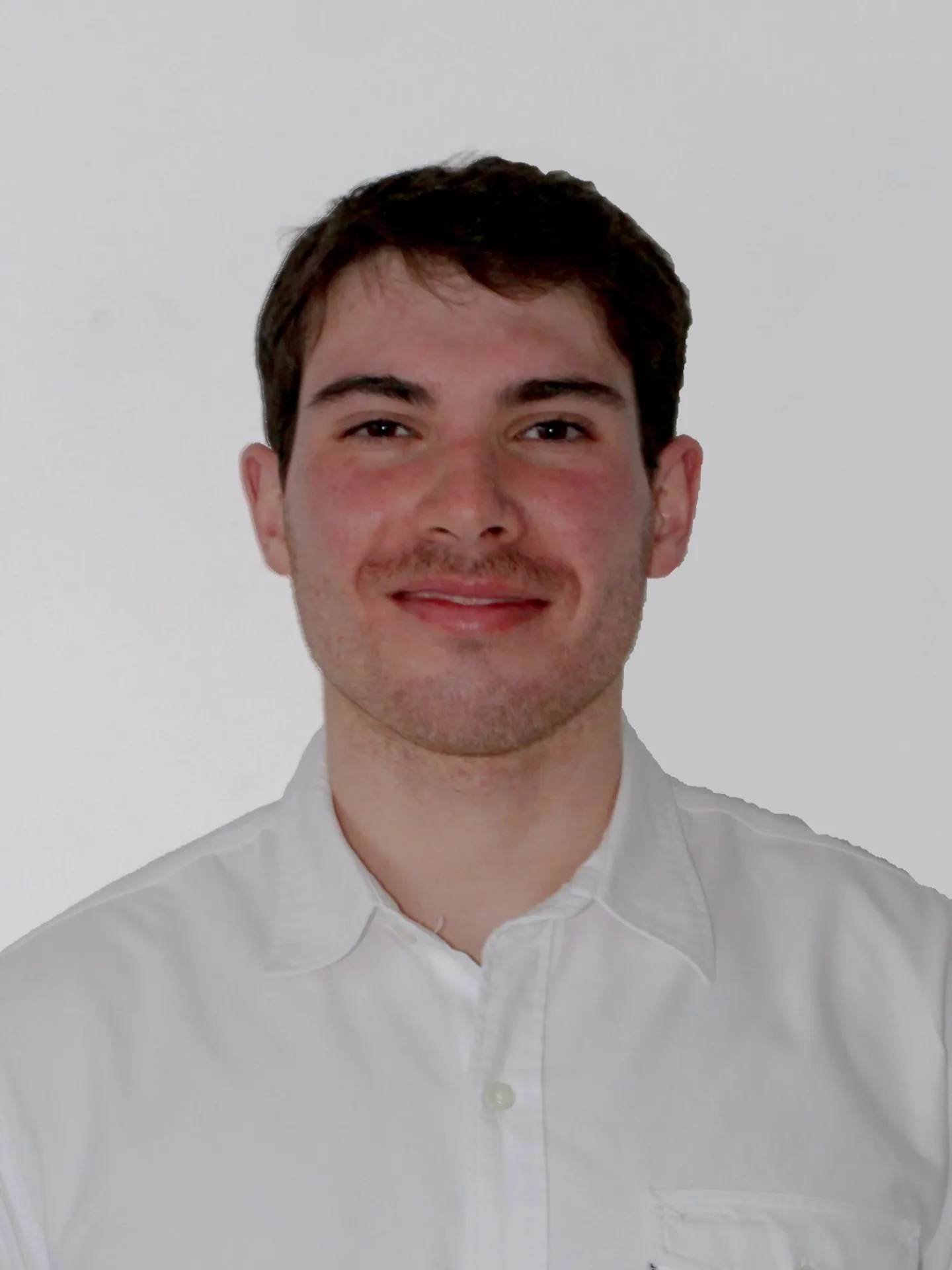
Title: Understanding lithium-ion batteries using theory and computation
Abstract: Lithium-ion batteries (LIBs) have become essential to modern life, powering different devices, from smartphones to electric vehicles. Despite the maturity of the LIB technology, many questions remain open regarding the phenomena and chemistry on an atomic scale underlying the LIBs. The Urban group applies theoretical and computational methods to unravel these processes, also in collaboration with the Columbia Center for Computational Electrochemistry (CCCE). A central focus of the CCCE is understanding the solid electrolyte interphase (SEI), a complex, protective layer that forms on electrode surfaces. The SEI is critical to LIB performance because it permits lithium-ion transport while blocking electron transfer and preventing electrolyte decomposition. Yet, its composition, structure, and formation mechanisms are still not fully understood. Recent work at CCCE revealed a previously unknown class of electrolyte species: complexes where multiple lithium cations are coordinated by solvent molecules. Using Density Functional Theory (DFT)-based methods, we investigated how these species influence the reductive decomposition of solvents, offering new insights into SEI formation.
Gabriel Cathoud is a second-year Ph.D. student co-supervised by Dr. Alexander Urban in the Department of Chemical Engineering and Dr. Richard Friesner in the Department of Chemistry. His research focuses on advancing methodological frameworks for simulating LiB systems and applying these methods to investigate fundamental phenomena in these systems. Gabriel earned his Bachelor's degree in Chemical Engineering from the University of Coimbra, Portugal. He continued his academic journey at the same institution, completing two Master's degrees: one in Chemical Engineering and another in Informatics Engineering. During his M.Sc. in Chemical Engineering, he collaborated with Dr. Pedro Simões (University of Coimbra) and Dr. Mohtadin Hashemi (Auburn University) on studying the interactions of amyloid-β with lipid bilayers using molecular dynamics. During his M.Sc. in Informatics Engineering, he collaborated with Dr. Luis Macedo and Dr. Kjell Jörner (ETH Zurich) on the development of explainable artificial intelligence approaches to interpret graph neural network predictions of molecular energies.
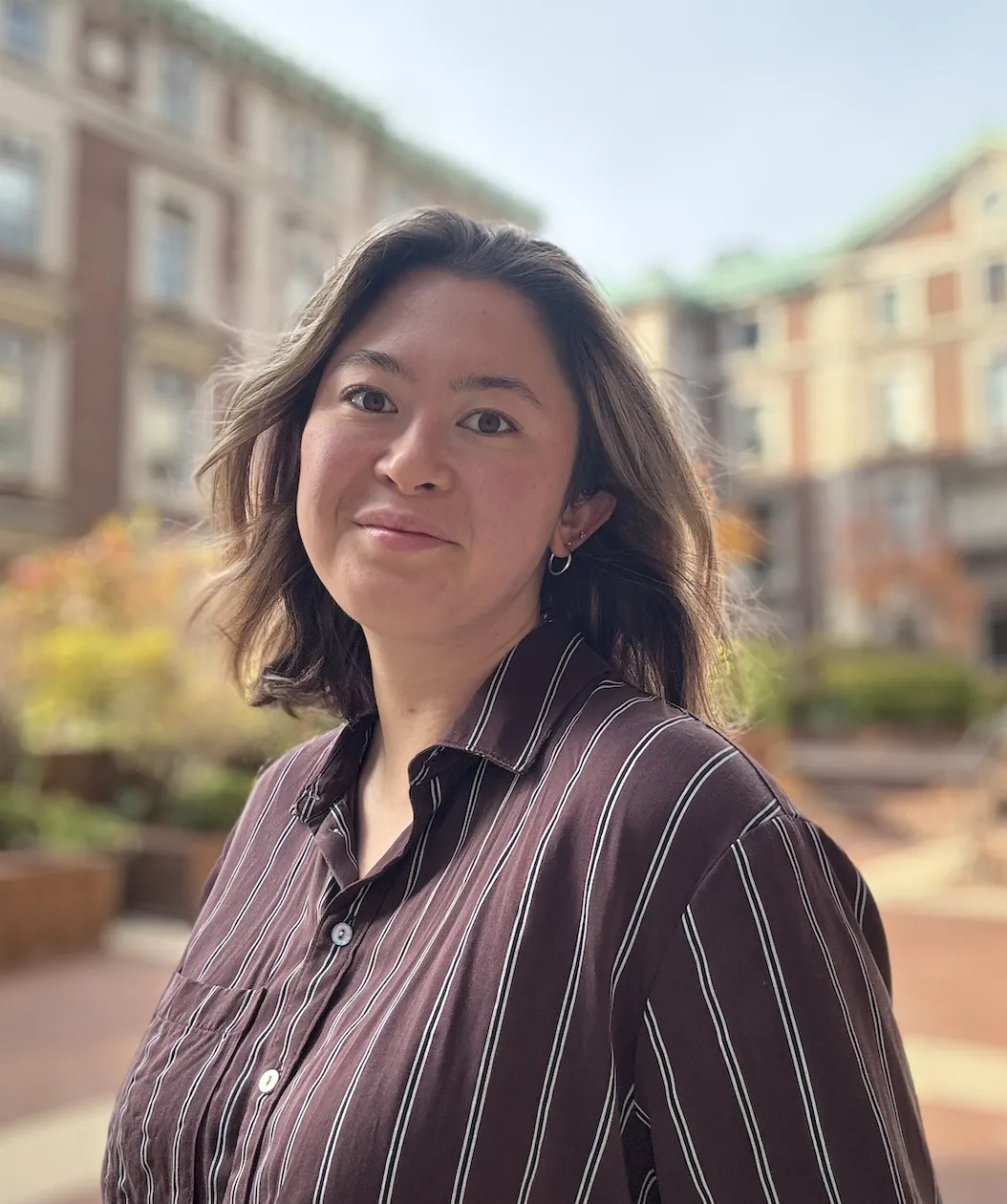
Title: Leveraging perovskites for methane valorization to C2 hydrocarbons
Abstract: Methane is an abundant resource, but its valorization is hindered by the high temperature requirement for converting methane to higher hydrocarbons, which is often done in multi-step reactions requiring large reactors. Non-oxidative methane coupling (NOCM) offers a direct route for C2 production, but the leading thermocatalysts such as Pt on CeO2 maintains high thermal demand (>900ºC) and is hard to characterize due to the dynamic nature of Pt on the CeO2 support. We aim to explore a Pt-doped BaCeO3 perovskite system for NOCM due to its proton conducting properties and improve lattice stabilization of Pt. We have demonstrated that our Pt/BaCeO3 system has a competitive C2 yield of 31.54% and CH4 conversion of 16.36% (WHSV=0.116 ghr-1gcat-1) at 700ºC, effectively lowering the thermal requirement for NOCM. Exerting further control over the local Pt environment to enhance activity is currently being investigated. We plan to harness Pt-BaCeO3 as a dual-functioning catalyst-membrane for use in protonic ceramic electrochemical cells (PCECs).
Abbey Piatt Price is a third-year PhD student in Chemical Engineering at Columbia University under Dr. Juliana Carneiro. Her current work focuses on heterogeneous catalysis for methane valorization. Abbey aims to explore new levers for surface control of perovskites to achieve dual-functioning catalyst-membrane materials for use in protonic ceramic electrochemical reactors. Previously, Abbey earned a B.S. in Molecular Engineering from the University of Chicago in 2024.
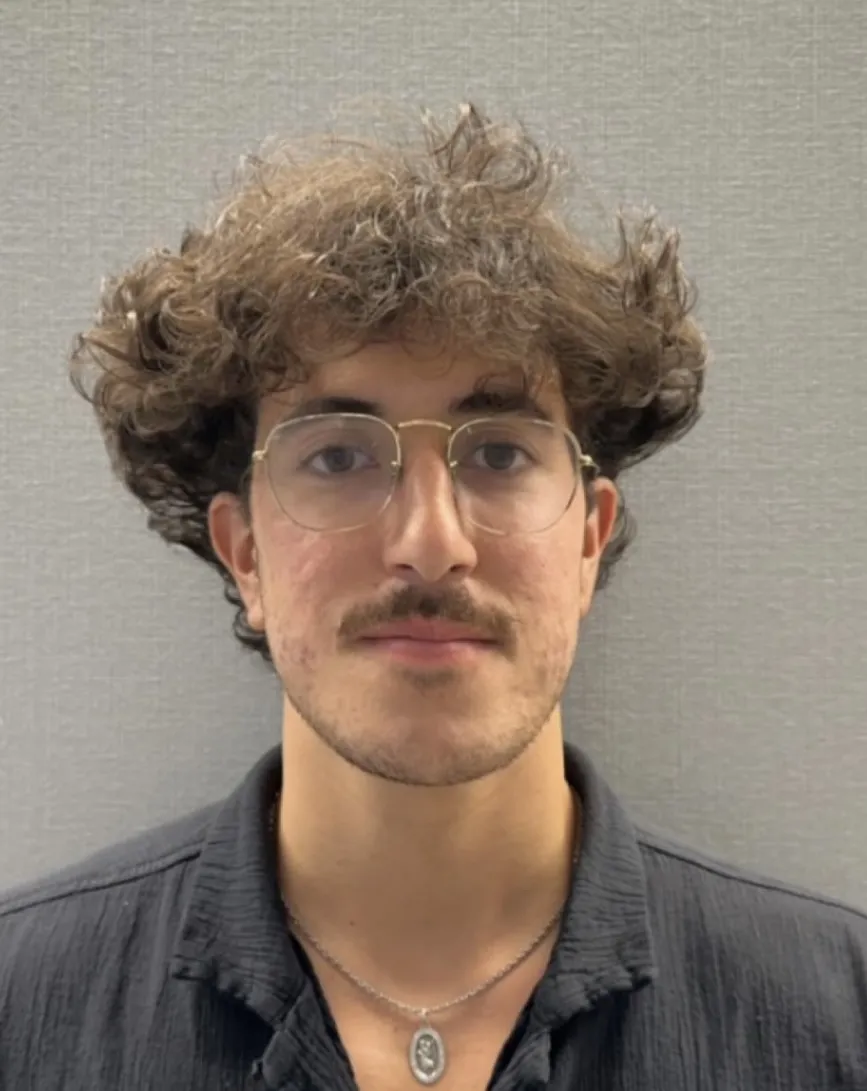
Title: Exploiting Protonic Ceramic Electrochemical Cells to Electrify Chemical Conversions
Abstract: With global energy demands set to rapidly increase comes an urgent need for clean and reliable energy sources. The intermittent nature of renewable energy from solar and wind can be overcome by converting to chemical energy with the use of electrochemical systems. Solid oxide electrochemical cells (SOECs) have gained significant attention due to their high energy efficiencies achieved at elevated operating temperatures. The Carneiro Lab focuses on proton conducting electrochemical cells and using readily available and renewable feedstocks (e.g., water, CO2 , and renewable electricity) to oxidize and reduce chemical species to desirable products (e.g., green hydrogen, green ammonia, synthesis gas (CO, H2), e-methane, and ethylene). Current projects focus on the engineering of active sites in electrode materials for CO2 and N2 reduction. Electrolyte and anode material design is being explored for water oxidation and proton conduction to support cathode reactions. The electrochemical non-oxidative coupling of methane is also being explored as a promising avenue for conversion at lowered temperatures.
Nic Raffaele is a third-year PhD student in Chemical Engineering at Columbia University under Dr. Juliana Carneiro. His current research focuses on the thermal and electrochemical conversion of CO2 to carbon valued products. Nic is exploring the impact of metal-support interactions to enhance selectivity and stability for electrode materials in protonic ceramic electrochemical cells. Previously, Nic earned a B.S. in Chemical Engineering from The Ohio State University in 2024.
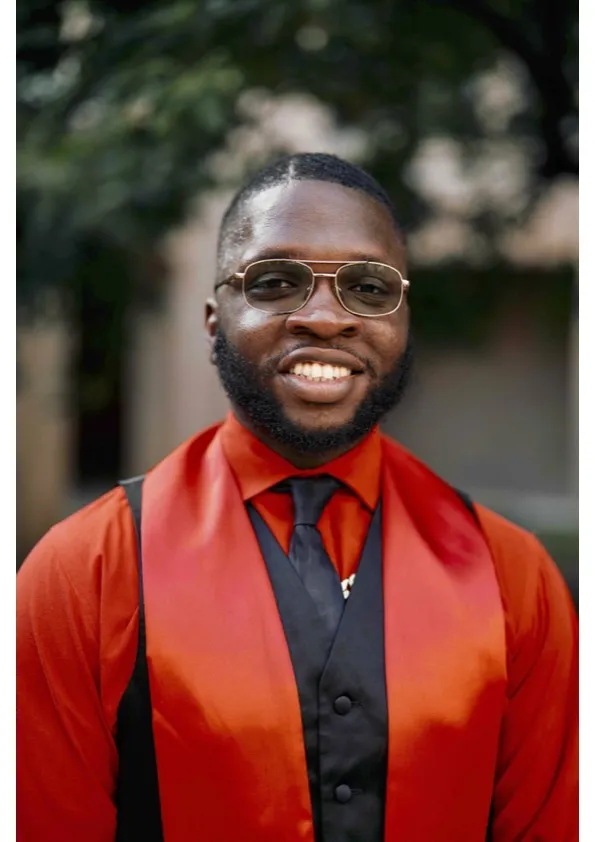
Title: Esposito Research Group’s Electrocatalyst Studies
Abstract: The Esposito Research Group sports many studies of different electrocatalysts for a myriad of applications. One application is in Membrane-free Electrolyzers & Systems for the conversion of carbon dioxide from waste-to-energy plants into sustainable aviation fuel. In this study, Ag catalysts are encapsulated in a thin TiO2 overlayer to improve their stability in the presence of different flue gas impurities such as Fe, NOx, and SOx ions. Another study focuses on single-particle photocatalysis, where optical tweezers are used to isolate individual photocatalyst particles suspended in solution, utilizing an integrated electrochemical sensor and photodiodes to simultaneously detect the products generation rate and photoluminescence intensity of the individual particle, respectively, revealing structure-property-performance relationships and identifying back-reactions as a major loss mechanism. Furthermore, understanding electric fields at electrode/electrolyte interfaces strongly influences electrocatalytic processes, yet their characterization at high current densities is often hindered by gas evolution that interferes with physical and electromagnetic probes. Herein, a custom electrochemical flow cell is presented that suppresses bubble nucleation by directing a high-velocity jet of electrolyte toward the electrode surface through an internal nozzle. This enables in situ Raman spectroscopy and determination of electric field strengths at electrode/electrolyte interfaces under elevated current densities relevant to electrolysis and fuel cell applications. Video analysis shows that electrolyte flow reduces hydrogen bubble coverage on platinum (Pt) thin-film electrodes by 85%–88%. This enables stable Raman measurements at current densities up to 25 mA cm−2, nearly two orders of magnitude higher than in a stagnant cell. Under reduced bubble coverage, graphene supported on Pt and gold (Au) electrodes exhibits Stark shifts in the graphene G-band corresponding to interfacial electric field strengths up to 106 V cm−1. The measurements reveal substrate-dependent behavior, including a ≈0.4 V shift in the graphene charge-neutrality point for Graphene/Pt relative to Graphene/Au. We propose a framework in which substrate work function, proton adsorption, and electrostatic gating collectively govern potential-dependent graphene doping and interfacial electric field strength at the electrode/electrolyte interface.
Patrick O. Aghadiuno is a 5th year chemical engineering Ph.D. student in Dr. Daniel Esposito’s research group. His research focuses on the development of interfacial organic media implementation strategies for solar fuels production. Prior to studying at Columbia, Patrick received a B.S. in chemical engineering from Rice University and currently holds a M.S. and M. Phil. in chemical engineering both from Columbia University.
Kevin Dunn is a 4th year chemical engineering Ph.D. student in Dr. Daniel Esposito’s research group. His research focuses on novel methods of single-particle photocatalytic measurements for solar fuel generation. Prior to studying at Columbia, Kevin received a B.S. in chemical engineering from Colorado School of Mines.
Daniela Bushiri is a Postdoctoral Researcher in Chemical Engineering at Columbia University and the Entrepreneurial Lead at Community Carbonates, a carbon capture and mineralization initiative for the built environment in the Global Impact Lab at the Climate School. She holds a PhD in Chemical Engineering from Columbia (2026) and a BS in Chemical Engineering, summa cum laude, from NJIT. She is an NSF Graduate Research Fellow, Provost Doctoral Fellow, and David Leuschen Global Energy Fellow at Columbia's Center on Global Energy Policy.
Jingjing Jin is a 5th year chemical engineering Ph.D. student in Dr. Daniel Esposito’s research group. Her research focuses on the development of ultrathin proton-conducting oxide membranes for water electrolysis. Prior to studying at Columbia, Jingjing received a B.S. in chemistry from Rutgers University.
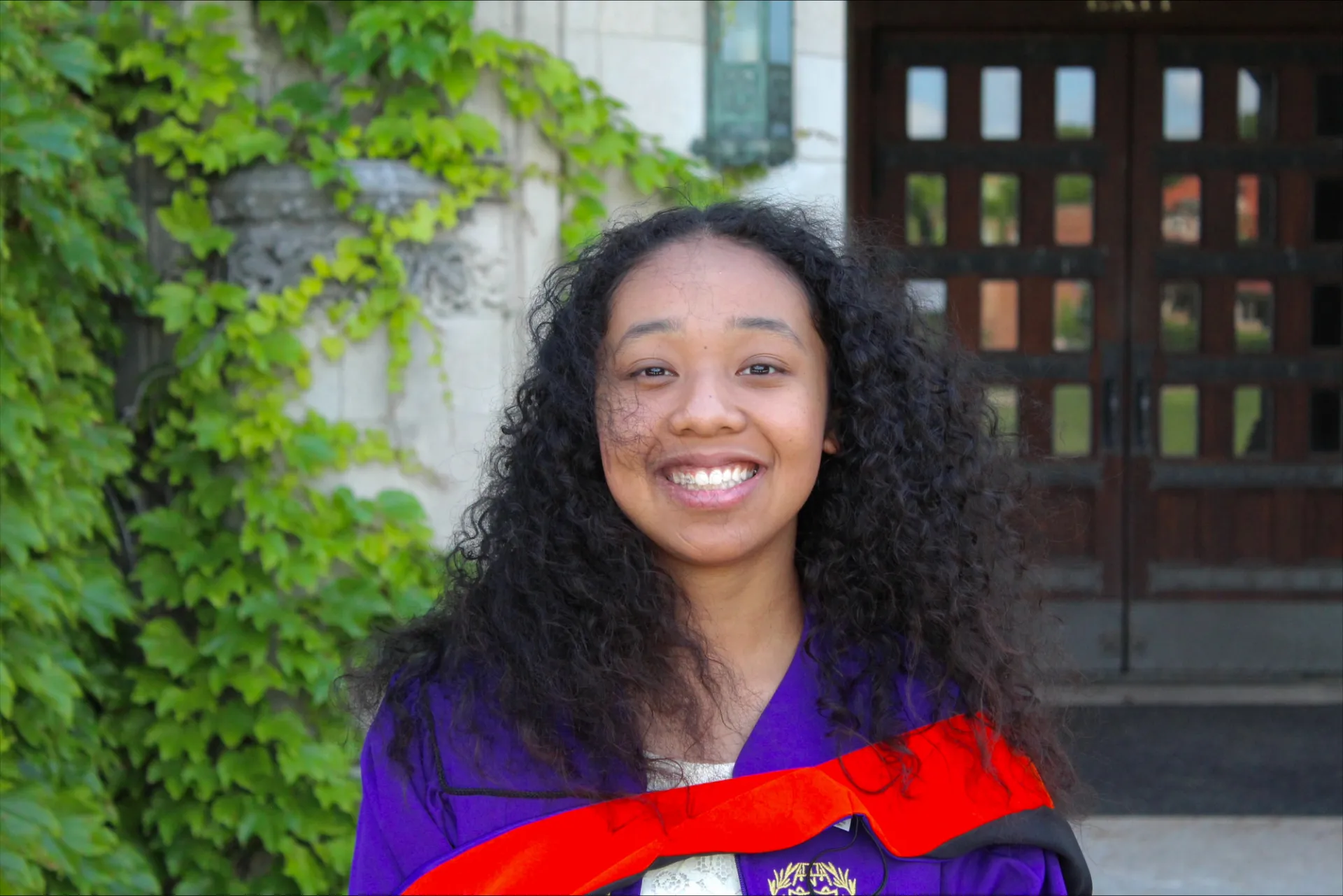
Engineering Membraneless Flow-Through Reactors: From Mine Drainage Treatment to CO2 Upcycling
Electrochemical processes offer a sustainable pathway to remove environmental contaminants and upgrade waste feedstocks into valuable fuels and chemicals. However, conventional reactor designs such as standard electroflotation columns and membrane-based electrolyzers suffer from poor process efficiency and consistency, and mass-transport limitations. Here, we present a versatile, flow-through, membraneless electrochemical reactor platform that addresses these challenges in two critical applications: critical metal recovery from industrial wastewater and CO2 conversion to fuels and chemicals.
Industrial wastewater often contains toxic heavy metals that accumulate in ecosystems, making their removal imperative for a clean environment. Iron is of particular concern due to its abundance, especially in Acid Mine Drainage. Electroflotation is a promising treatment method where fine bubbles are electrolytically generated to remove these heavy-metal impurities. However, conventional electroflotation columns often have limited control over their key operating conditions, thereby impacting the efficiency of separation and process consistency. Additionally, high energy consumption increases operating costs, limiting economic feasibility.
Here, we demonstrate a novel flow-through membraneless electroflotation cell geometry driven by pH and bubble control. High-speed videography (HSV) was used as a non-invasive method to show the mechanisms of precipitation electroflotation in ferrous sulfate. We show that iron removal rate can be predicted stoichiometrically with the generation of ferrous hydroxide. We find that, compared to standard electroflotation geometries, the separation of the channels in the flow-through geometry allows for higher current utilization and consistency of froth products. This shows a promising pathway for selective metal removal and decreased power consumption.
Parallel to wastewater treatment and iron recovery, scaling CO2 conversion requires low-cost and durable electrolyzer architectures. We adapted the flow-through, membraneless framework by replacing ion-exchange membranes with a porous separator. We coupled hydrogen oxidation at the anode and evaluated the electrolyzer using reversible hydrogen chemistry, CO₂-to-CO conversion, and CO₂-to-ethanol conversion. These experiments demonstrate the architecture's versatility across multiple electrochemical reactions and product pathways, including syngas and multicarbon products.
A 1-D transport model further shows that replacing an ion-exchange membrane with a porous separator and increasing electrolyte flow between electrodes can reduce the large pH gradients that develop in conventional membrane-based electrolyzers. Finally, we investigate device scale-up from 0.2 to 1 and 10 cm² electrode areas and evaluate operation under dynamic conditions relevant to intermittent renewable electricity. Overall, these results show how a membraneless architecture can improve electrochemical performance on ion transport, fluid management, and scale-up, providing a pathway toward modular, energy-efficient carbon utilization systems.
Tomomi Kawaguchi is a third-year PhD student in the Department of Chemical Engineering working in Prof. Esposito’s research group. She graduated with a combined Bachelors and Masters Degree in Chemical Engineering from Northwestern University. Her current research focuses on using electrolysis to remove various species from mine water.
Zhexi Lin is an Associate Research Scientist in the Department of Chemical Engineering and works in the Esposito group. He received his Bachelor of Chemical Engineering from the University of Delaware and his Ph.D. in Chemical Engineering from Columbia University. He has extensive experience in the synthesis, characterization, and reactivity evaluation of transition metal carbide, nitride, and oxide model surfaces and powder catalysts using first-principles calculations, ultra-high vacuum surface science experiments, and synchrotron-based in situ characterization techniques. Zhexi’s current research focuses on designing electrocatalysts and electrochemical devices for CO2 conversion and water electrolysis.

Title: Computational Methods for Accelerated Design of Alternative Metal Extraction Processes
Abstract: Mitigating carbon emissions associated with conventional metal extraction requires cleaner metallurgical technologies, and molten salt electrolysis offers a promising alternative. Experimental characterization of molten salt electrolytes across diverse chemistries is challenging, motivating predictive modeling of electrolyte properties. Melting temperature is critical for defining the operating window of molten electrolytes and provides a benchmark for atomistic models to describe both crystalline and molten phases. Here, we predict melting temperatures of halide salts using first-principles-based universal machine-learning interatomic potentials (MLIPs) with a coexistence simulation approach, demonstrating efficient modeling of solid-liquid phase behavior with improved transferability over classical potentials. By incorporating long-range dispersion into the MLIP-driven simulation, we show that physics-informed corrections can compensate for missing interactions in the underlying DFT training data. This work establishes a predictive atomistic framework for molten halides and provides a foundation for predicting eutectic phase behavior, solvation, and ionic conductivity, key properties in molten salt electrolyte design.
Nathan Zou graduated from Caltech in 2023 with a Bachelor’s degree in Chemical Engineering. Before coming to Columbia, he worked for Blue Current Inc. developing safe and high energy density silicon-composite anodes for solid state lithium-ion batteries. He is a 3rd-year Ph.D. student in the Department of Chemical Engineering, where he leverages density functional theory and machine learning interatomic potentials to predict thermodynamic properties of electrolytes for molten salt electrolysis. His research has focused on improving the quantitative accuracy of first-principles-based calculation methods to optimize molten salt electrolysis for sustainable metal extraction solutions.
Title: Integrating Cerium(IV) Solvent Extraction with Redox-Mediated Nickel Leaching for Reagent-Efficient Nickel Recovery
Abstract: A carbon-free energy landscape necessitates the rapid expansion of battery energy storage capacity. Nickel (Ni), a critical mineral required for batteries, is expected to double in global demand over the next decade. The cerium (Ce) redox-mediated nickel leaching process offers a carbon-free alternative for efficient Ni-extraction. This novel leaching solution generates mixed hydroxide product (MHP) from sulfide ore. The system utilizes the Ce(IV)/Ce(III) redox couple to oxidatively leach and extract Nickel(II), Iron(III), and trace Cobalt(II) into a leachate stream. Cerium recovery from the leachate stream currently relies on reagent-intensive selective precipitation of Ce(III). To establish a sustainable closed-loop, this work investigates the solvent extraction of tetravalent cerium from the leachate stream using the neutral extractant, tributyl phosphate (TBP). Furthermore, the study evaluates a novel three-phase leaching reactor that contacts Ce(IV)-loaded TBP, an acidic stripping solution, and nickel sulfide concentrate. This approach pre-concentrates the aqueous leachate stream while offering similar leaching kinetics compared to the current organic-free system. The resulting process reduces feedstock requirements for this sustainable Ni-extraction process.
Joseph C. Shy is a 2nd year earth and environmental engineering Ph.D. student working in Dr. Oscar Nordness’ research group. He holds a B.S. from Cal Poly SLO in Aerospace Engineering and a M.S. from CU Boulder in Aerospace Engineering Sciences. Joseph’s research at Columbia University focuses on the integration of organic extractants into the Cerium(IV)/Cerium(III) redox-mediated nickel leaching process to help minimize material loss and reduce feedstock requirements.

Title: Hydromettallurgical Production of Domestic Nickel for Energy Transition
Abstract: Growing demand for critical metals for batteries and clean-energy technologies calls for more efficient and sustainable approaches to mineral processing. Conventional extraction often relies on energy-intensive pyrometallurgy or hydrometallurgical processes requiring elevated temperatures, pressures, or aggressive reagents. Regenerative Electrochemical Leaching (REL) offers an alternative approach in which electrochemically regenerated redox mediators drive mineral dissolution under mild conditions while enabling continuous recycling of the leaching agent. Here, Ce(IV)-mediated REL was developed for rapid and selective nickel extraction from pentlandite and subsequently extended to alternative nickel resources, including awaruite and deep-sea nodules. The approach was further applied to other valuable sulfide minerals, enabling rapid extraction of Ag from silver sulfide and Mo from molybdenite concentrates. Together with downstream metal separation and refining, these results demonstrate REL as a versatile platform for recovering critical metals from diverse mineral resources.
Cas (Yu) Chen graduated from the University of Illinois Urbana-Champaign in 2022 with a bachelor’s degree in Specialized Chemistry. She is currently a third-year PhD student in the Department of Chemical Engineering at Columbia University in Dr. Alan C. West’s group. Her research focuses on developing electrochemically enabled hydrometallurgical processes for the recovery of critical metals from mineral resources. The work spans the design and operation of electrochemical cells for the production and regeneration of leaching agents, selective leaching of valuable minerals, and optimization of downstream separation and refining processes. More recently, her research has focused on integrating these steps into efficient processes that convert mineral concentrates into commercial-grade metal products.
Title: Solvent Extraction of Rare Earth Elements from a Synthetic Acid Mine Drainage Leachate
Abstract: Rare earth elements (REEs) are critical materials for clean energy technologies, motivating the development of alternative resources beyond conventional mineral deposits. Acid mine drainage (AMD), an environmental liability associated with coal mining, represents a potential secondary source of REEs. In this study, the global recovery of REEs by solvent extraction was investigated using a synthetic solution representative of an acid leachate obtained from an REE-enriched AMD precipitate. The synthetic leachate contained three light and three medium/heavy REEs, together with three major contaminants characteristic of AMD-derived streams. Di-(2-ethylhexyl) phosphoric acid (D2EHPA) was used as the extractant, and the effects of equilibrium pH, extractant concentration, aqueous-to-organic phase ratio, contact time, organic loading, and tributyl phosphate (TBP) addition were evaluated. High overall REE recoveries were achieved, although distinct extraction behaviors were observed across the REE series. Y, Gd, and Sm showed consistently high extraction, whereas the recovery of Ce, Pr, and Nd was more sensitive to changes in equilibrium pH and D2EHPA concentration. Contact-time experiments indicated rapid REE extraction, while variations in phase ratio and successive organic loading provided information on extractant capacity and process configuration. The differences observed between light and medium/heavy REEs also allowed the identification of operating windows with favorable separation factors. These conditions will serve as the basis for subsequent fractionation studies aimed at selectively separating REE groups. Overall, the results establish operating conditions for global REE recovery from AMD-derived leachates while defining promising regions for further selective separation.
Vanessa Olivo Viola is a Ph.D. candidate in Chemical Engineering at the Federal University of Santa Catarina (UFSC) and a researcher at SATC, Brazil. She is currently a visiting Ph.D. researcher at Columbia University, advised by Professor Pengbo Chu. Her research focuses on the recovery of rare earth elements from alternative resources, with an emphasis on selective leaching and hydrometallurgical extraction processes.

Title: The Impact of Pre-Concentration on Leaching of Gray Mass from Lithium-Titanate Oxide (LTO)/Nickel-Manganese-Cobalt (NMC) Batteries
Abstract: Physical pre-concentration plays a potentially important role in battery recycling. Here, we evaluated how feed characteristics, operating conditions, and circuit configuration affected LTO–NMC pre-concentration and its impact on subsequent leaching. The results show a 5-stage rougher–cleaner–scavenger circuit using a Faclon concentrator produced a Ti-rich overflow at 71% TiO₂-equivalent grade while recovering 88% CoO, 81% MnO, and 80% NiO to the underflow. Pre-concentrated Ti-rich and NMC-rich fractions with original gray mass were leached by using H2SO4+H2O and EDTA systems. The pre-concentration improved selectivity for H₂SO₄+H₂O₂: leaching the NMC-rich fraction under optimized conditions achieved near-complete cathode oxide recovery with <1% TiO₂ dissolution, but reduced cathode oxide recovery when applied to EDTA. This Falcon pre-concentration and H₂SO₄/H₂O₂ route cost an estimated $2.89 per 10 g of each of the Ti-rich and NMC-rich fractions, about 36% less than applying EDTA directly to the original feed ($4.51 per 10 g), highlighting the importance of the Falcon pre-concentration step.
Umut Kar is a first-year Ph.D. student in the Department of Earth and Environmental Engineering at Columbia University, advised by Professor Pengbo Chu. His research focuses on upstream battery recycling, with the broader goal of addressing emerging challenges across both current and next-generation lithium-ion batteries and developing more sustainable and efficient recycling solutions. Before joining Columbia, he had the opportunity to conduct research at several universities across Europe and the United States, where he developed a multidisciplinary background spanning mineral processing, recovering valuable materials from complex secondary resources, with the broader goal of developing scalable and sustainable pathways for critical-material supply.

Title: Design Principles for Graphite Anodes in Potassium-Ion Batteries
Abstract: Potassium-ion batteries could leverage graphite manufacturing infrastructure established for lithium-ion batteries, but potassium’s larger atomic size places distinct and poorly understood demands on graphite structure. Here, we compare the electrochemical properties of nine battery-grade natural and artificial graphite anode materials spanning different particle morphologies, crystallite sizes, stacking structures, and structural disorder. Electrochemical testing reveals a persistent tradeoff between initial potassium-storage capacity and long-term capacity retention. We combine scanning electron microscopy, X-ray diffraction, and galvanostatic intermittent titration with hierarchical Bayesian modeling to quantify relationships between 13 structural descriptors and electrochemical performance. A joint capacity-retention model translates these relationships into a probabilistic graphite design map. Low interplane strain and small in-plane crystallite length (La) are the strongest predictors of high initial capacity, whereas small La, larger stacking height (Lc), and higher interlayer spacing (d002) favor long-term cycling stability. These results identify graphite structural targets tailored to potassium-ion storage and establish an uncertainty-aware approach for designing battery materials beyond those optimized for lithium-ion systems.
Kaitlin Corpus earned her bachelor’s degree in Chemical and Biomolecular Engineering from the University of California, Berkeley, in 2023. Before joining Columbia University, she worked as a battery engineer at Form Energy, contributing to the development of iron-air batteries for long-duration grid-scale energy storage. She is currently a third-year Ph.D. student in Columbia’s Department of Chemical Engineering. Her research focuses on optimizing graphite anodes for potassium-ion batteries, understanding their degradation mechanisms, and applying statistical methods to accelerate battery characterization and performance evaluation. More broadly, she is interested in developing battery technologies based on abundant, widely available materials to make renewable energy storage more accessible worldwide.
Title: Resolving Solvation and Interphase Composition in Na+ and Li+ Electrolytes
Abstract: To date, most strategies to improve Na electrodeposition reversibility focus on incorporating fluorinated electrolyte components into the solid electrolyte interphase (SEI). Fluorinated additives and highly concentrated electrolytes boost Coulombic efficiency (CE) but remain below the practical target of >99.9%. However, 1 M NaPF6 in diglyme (G2) cycles with near-unity CE (99.9% over 1000+ cycles) without fluorinated additives or high-concentration formulations. Here, we compare Na electrodeposition reversibility across a range of carbonate electrolytes and G2 using galvanostatic cycling and SEM. We then use impedance measurements to correlate interfacial resistance with performance. Finally, in collaboration with teams from MIT and PNNL, we characterize the SEI composition to better understand the role of fluorinated SEI components in facilitating reversible and facile Na electrodeposition in G2.
Sean Fernandez is a 4th year Ph.D. student in Chemical Engineering at Columbia University advised by Professor Lauren Marbella. Prior to Columbia, Sean grew up in Toledo, OH and later received a B.S.E in Chemical Engineering from the University of Michigan. While at Michigan, Sean conducted research understanding thermal degradation of silica aerogel to be used as insulation in high temperature concentrating solar thermal power systems. Sean’s professional interests include all things energy transition including the engineering innovations and the policy/economic levers that drive technology deployment. Outside of the lab, you can find Sean jogging down the Hudson River Greenway, appreciating nature, or mixing groovy house or techno music under the alias “DJ Ohmic Drop”.
Title: Polymer gel electrolyte featuring parasitic network enables anode-free lithium batteries with long cycle life and enhanced thermal stability
Abstract: Anode-free lithium metal batteries offer high energy density and simplified manufacturing but suffer from poor cycling life and thermal instability due to unstable anode morphology and parasitic reactions. Here, we design a polymer gel electrolyte with a parasitic network formed by copolymerizing a branched acrylate and an amphiphilic fluoroacrylate. Interchain interactions of the fluoroacrylate create a secondary parasitic network that induces an anion-rich solvation structure and promotes an anion-derived solid electrolyte interphase. This microstructural regulation markedly enhances Li reversibility, cycle life, and thermal stability. Cu/NCA pouch cells (4.8 mAh/cm²) achieve 97.8% retention after 100 cycles and 88.2% after 200 cycles under 0.7 MPa and 6 g/Ah electrolyte. A 200 mAh anode-free pouch cell retains 92.2% capacity after 100 cycles with 2.8 g/Ah electrolyte and shows no thermal runaway in drilling tests. This strategy offers a viable pathway to safe, durable, high-energy-density anode-free batteries.
Dr. Shengyu Cong is a postdoctoral research scientist in Columbia University now, with a strong background in materials science and chemistry. He earned his Ph.D. in Materials Science from Imperial College London in 2020, following a Master’s degree in Organic Chemistry from the Chinese Academy of Sciences and a Bachelor’s degree in Chemistry from Liaoning University. His research focuses on the design and development of functional materials for advanced energy storage systems, including anode-free batteries, aiming to enhance performance, safety, and sustainability in next-generation energy technologies.

Title: Physics-Based Modeling for Phenomenological Discovery in Electrochemical Systems
Abstract: Next-generation secondary batteries need approaches that can capture their complexity while still offering clear insights. Physics-based models form the foundation, while statistics help estimate important parameters that cannot be measured directly. In aluminum batteries, ionic liquid electrolytes without solvents make concentrated-solution theory necessary. Aluminum in theory offers very high gravimetric and volumetric capacities, though its actual behavior is more complicated. The Zn/NaV3O8 system is another promising next-generation battery for grid storage, but many of its reaction mechanisms remain unknown. Modeling helps close these gaps, test hypotheses about how the system works, and identify the factors that drive performance and degradation.
Abdul Fayeed Abdul Kadir graduated from University of Delaware in 2022 with a bachelor’s degree in Chemical Engineering. He is currently a fourth-year PhD student in the Department of Chemical Engineering in Dr. Alan C. West’s group, where he develops mathematical models to study electrochemical energy storage systems. His research focuses on aluminum battery systems with ionic liquid electrolytes, employing Concentrated Solution Theory rather than the conventional Dilute Solution Theory. More recently, his work has expanded to modeling emerging battery chemistries for grid-scale storage applications, with a particular emphasis on zinc-ion batteries.
Title: Mapping Battery Heterogeneity with Rotational Ultrasound
Abstract: Cylindrical batteries exhibit spatial heterogeneity due to their wound jelly-roll architecture, manufacturing variability, mechanical deformation, and non-uniform degradation during cycling. Conventional single-point ultrasonic measurements may miss these localized variations. Here, we introduce Rotating Operando Acoustic Diagnostics (ROAD), a low-cost ultrasonic platform that maps angle-dependent acoustic transmission through cylindrical cells. By rotating the cell between fixed transmitting and receiving transducers, ROAD acquires transmitted waveforms at defined angular positions and extracts peak-to-peak amplitude to construct spatial acoustic maps during cycling. These measurements reveal pronounced angular variation in acoustic response and show that the acoustic landscape evolves with state of charge and cycling history. ROAD provides a simple approach for probing internal battery heterogeneity and studying degradation and localized failure in cylindrical cells.
Ruihan Zhang is a Ph.D. student in the Department of Earth and Environmental Engineering at Columbia University, working with Prof. Dan Steingart in the Columbia Electrochemical Energy Center. His research focuses on acoustic diagnostics and operando characterization of lithium-ion batteries, with particular interest in spatial heterogeneity, state evolution, degradation, and failure mechanisms in diverse electrochemical energy storage systems.

Title: Understanding Sodium Metal Interfaces for Sodium–Air Batteries
Abstract: Sodium metal batteries (SMBs) lose capacity because sodium does not plate cleanly: dendrites grow, Na reacts with the electrolyte, and dead metal forms that is no longer electrically connected. Columbic efficiency of plating and stripping indicates that charge is missing, but it cannot show where. A quartz crystal microbalance (QCM) weighs the electrode as it runs — but only if the deposit moves with the sensor, and sodium is soft enough to creep at room temperature. In our original cell, the crystal showed essentially no mass, whereas sodium was plated in quantity. Rebuilding it as a coin cell with uniform, controlled pressure restored the signal across all current densities tested. Two effects survive the redesign. The measured mass runs well above what the charge allows, and at each current cutoff, it drops abruptly — too sharp for dissolution, consistent with a deposit that detaches. Sodium plating is limited not only by its chemistry but by how well it holds on.
Dongrun Ju is a PhD student in Columbia University's Department of Chemical Engineering, Steingart Group. She studies electrochemical systems and develops the methods used to probe them. Her earlier work addressed parasitic precipitation at the positive electrode of aqueous Zn–Br batteries, spanning compound identification, pH studies, impedance analysis, and electrolyte optimization. She now works on sodium metal systems, using the electrochemical quartz crystal microbalance to monitor interphase formation during sodium plating, including redesigning the cell to enable reliable operando mass tracking of reactive metal anodes. Her broader interest is how electrolyte chemistry governs what forms at an electrode.
Title: Addressing capacity in the distribution system
Abstract: Energy systems are undergoing transformation amid growing load from electrification of heating, Electric Vehicles (EVs), and new data center loads. This increases the potential stress on future grids. Beyond transmission congestion, the distribution bottlenecks in urban areas become a concern and can result in the electricity price increase. One of the solutions is to install distributed capacity near the load centers. However, in the landscape of urban settings with little available rooftop area, the options are limited. Our work quantifies the value of solar installations, coupled with storage, on vertical surfaces of the buildings in New York City context. The analysis highlights the potential grid benefits of optimized exports during peak times and considers system-relieving engagement revenue streams under which installations are economically viable. Early results show that such systems can potentially bring value to utilities, by exporting electricity during stress times, and creating favorable economics for customers due to soft cost offsetting through economies of scale. The viability of such systems have become possible through declining solar and storage costs, creating the paradigm of solar-storage systems as affordable distributed capacity.
Vlad (Vladimir) Pyltsov is a PhD candidate in Mechanical Engineering at Columbia University under supervision of Dr. Vijay Modi. His research interests lie in a broad intersection of modeling, forecasting, and techno-economic assessment of Energy Systems using AI, ML, and optimization frameworks, with recent focus on distributed systems. Before his PhD program, Vlad received a BS degree Mechanical Engineering from Boston University in 2023.

Title: A Few-Shot LLM Framework for Extreme Day Classification in Electricity Markets
Abstract: This work presents a few-shot classification framework based on Large Language Models (LLMs) to predict whether the next day will have spikes in real-time electricity prices. The approach aggregates system state information, including electricity demand, renewable generation, weather forecasts, and recent electricity prices, into a set of statistical features that are formatted as natural-language prompts and fed to an LLM along with general instructions. The model then determines the likelihood that the next day would be a spike day and reports a confidence score. Using historical data from the Texas electricity market, we demonstrate that this few-shot approach achieves performance comparable to supervised machine learning models, such as Support Vector Machines and XGBoost, and outperforms the latter two when limited historical data are available. These findings highlight the potential of LLMs as a data-efficient tool for classifying electricity price spikes in settings with scarce data.
Saud Alghumayjan received his B.Sc. degree in Electrical Engineering from King Saud University in 2018 and his M.S. degree in Electrical Engineering from Columbia University in 2022. Before joining Columbia University he worked at the Center for Complex Engineering Systems at KACST and MIT as a Research Specialist where he tackled various problems related to power systems such as Electricity Fraud Detection and Time-series Forecasting. Saud’s research interests are in the areas of machine and statistical learning, optimization, and computational modeling.

Title: Nonparametric Kernel Regression for Coordinated Energy Storage Peak Shaving with Stacked Services
Abstract: Developing effective control strategies for behind-the-meter energy storage to coordinate peak shaving and stacked services is essential for reducing electricity costs and extending battery lifetime in commercial buildings. This work proposes an end-to-end, two-stage framework for coordinating peak shaving and energy arbitrage with a theoretical decomposition guarantee. In the first stage, a non-parametric kernel regression model constructs state-of-charge trajectory bounds from historical data that satisfy peak-shaving requirements. The second stage utilizes the remaining capacity for energy arbitrage via a transfer learning method. Case studies using New York City commercial building demand data show that our method achieves a 1.3 times improvement in performance on average over the state-of-the-art forecast-based method, achieving cost savings and effective peak management without relying on predictions.
Emily Logan is a PhD student in Earth and Environmental Engineering at Columbia University working in Dr. Bolun Xu’s research group. Prior to joining Columbia, she received her B.S. and M.Eng. degrees in Mechanical Engineering from Cornell University and worked at Tesla as a Mechanical Design Engineer. Her research focuses on developing strategies for managing battery energy storage systems to reduce electricity costs and improve operational efficiency.