CEEC Fall Symposium 2023
The CEEC Fall Symposium will engage attendees on scaling and accelerating the deployment of electrochemical energy storage and conversion technologies. Symposium panels will draw on learnings from CEEC labs, industry partners, and startups spun out of CEEC labs.
A poster session curated by CEEC’s 50 PhD students and postdocs will provide industry participants with an atoms to markets view of electrochemical energy applications including fast-charging EV LiB’s, grid scale storage, electrolysis for hydrogen generation, critical materials extraction and refinement for a sustainable energy future.
SYMPOSIUM SPEAKERS
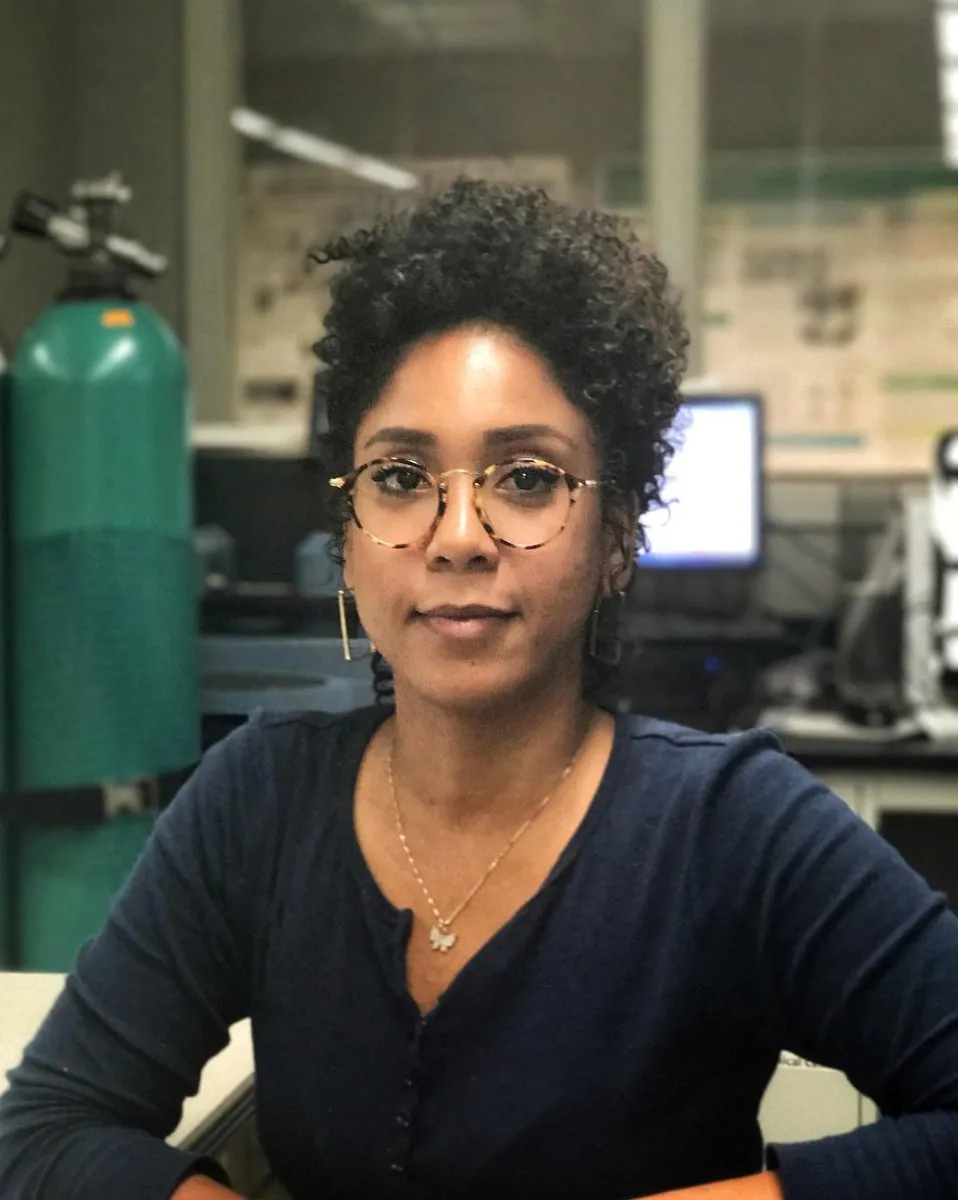
Juliana Carneiro is an Assistant Professor in Chemical Engineering with research interest in electrocatalysis for electrochemical conversion and separation processes. She obtained her Ph.D. in Chemical Engineering from Wayne State University in 2019 and has since worked as a postdoctoral research fellow at the Georgia Institute of Technology. Juliana's research interests include capturing and storing or utilizing CO2 from oceans or atmosphere and the electrochemical recycling/upcycling of post-consumer plastics. She has received several awards for her work, including the Ralph H. Kummler Award and the Women's Initiatives Committee's AIChE Travel Award.
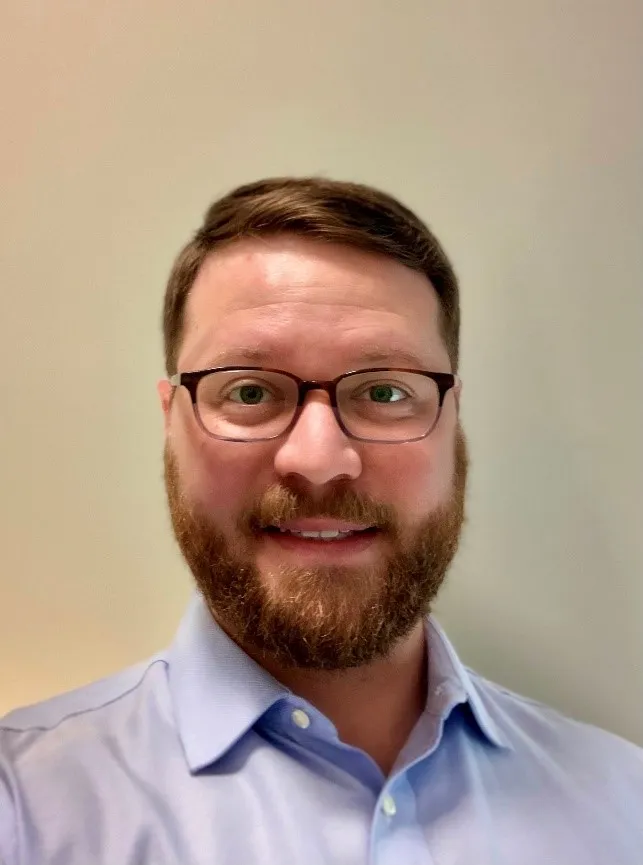
Dr. Zachary Combs is the R&D Director for Energy Systems at Birla Carbon. He has more than 10 years of experience in the carbon raw materials industry with a primary focus on the development of new products for the energy storage market, carbon capture and conversion, and extensive past experience in tire and mechanical rubber goods industries. Dr. Combs received his bachelor’s degree in polymer chemistry from Clemson University and his PhD from Georgia Institute of Technology in materials science and engineering with a focus on nanoparticle synthesis and surface chemistry.

Carl Cottuli holds the role of Senior Vice President of Development Engineering at Bloom Energy and has the responsibility of setting standards and driving global product development using fuel cell-based technology for application in the electrical and hydrogen environments.
Carl has over twenty-five years of experience in managing global technical teams engaged in governmental, industrial, and enterprise opportunity engagement. His expertise includes electrical and mechanical product and system design as well as installation for service industries.
While holding senior leadership positions at market-leading corporations he has been advising on corporate strategy, organizational design, and product roadmaps by focusing his teams on the addressable markets for the various products. Carl’s educational background consists of an Electronic Engineering degree and continuing education in coursework focused on gaining direct knowledge as needed in various roles including project management, process development, and lean building. Carl has been granted over 40 technology patents for innovations in power, cooling, and fuel cell products.
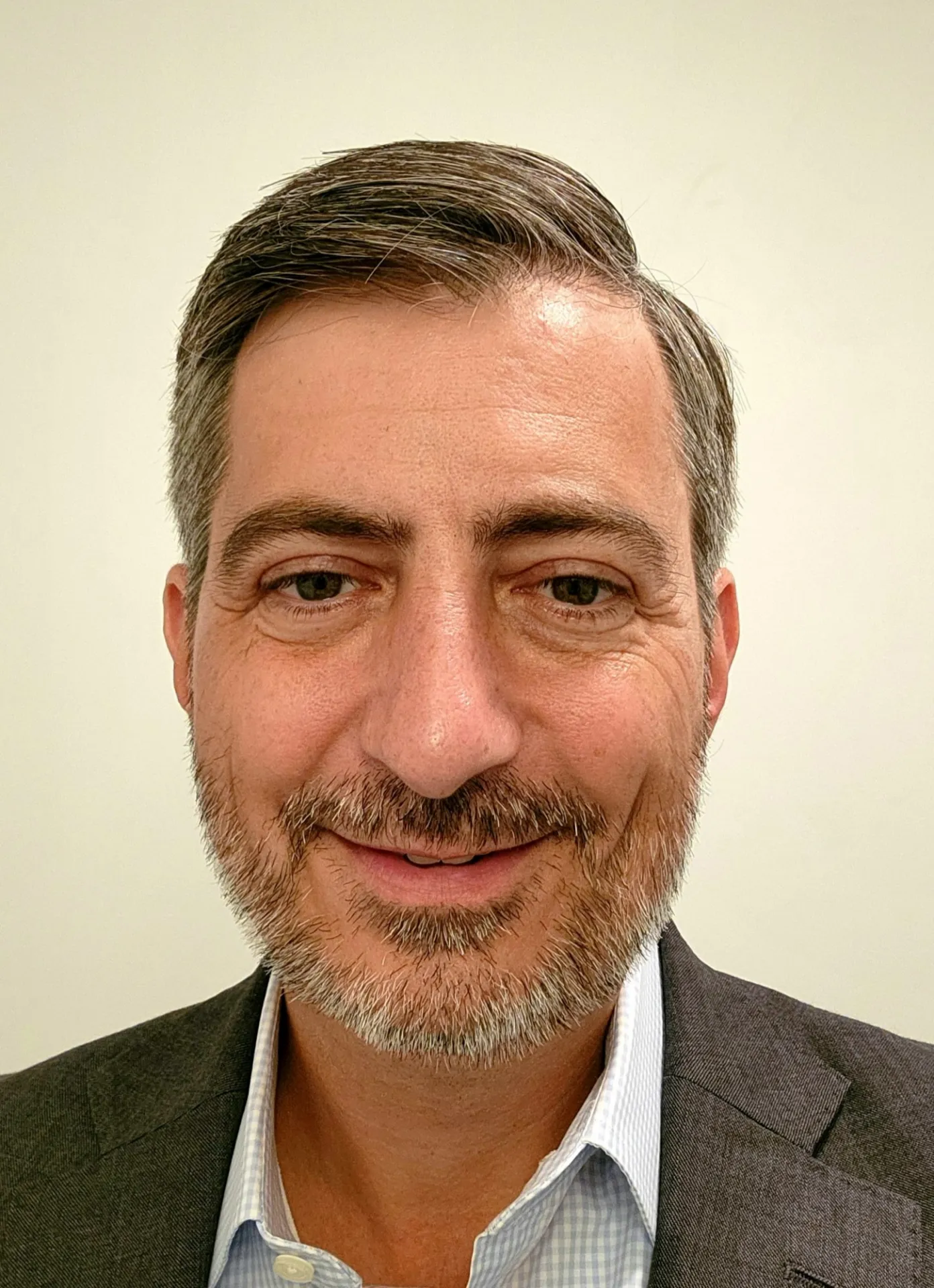
Michael Dorenfeld has over 18 years of experience in the power & renewables industry, including eight years in a senior role for HPS Investment Partners where he focuses on structure credit investments in the sector. Prior to joining HPS in 2015, Mr. Dorenfeld worked at Citigroup for ten years in the investment banking division, providing advisory services to power and utilities companies on financing and acquisitions, primarily for renewable power generation businesses. Mr. Dorenfeld is a CFA Charterholder and has a Bachelor of Arts degree in Economics from Columbia University and a Masters of Business Administration from Columbia Business School.
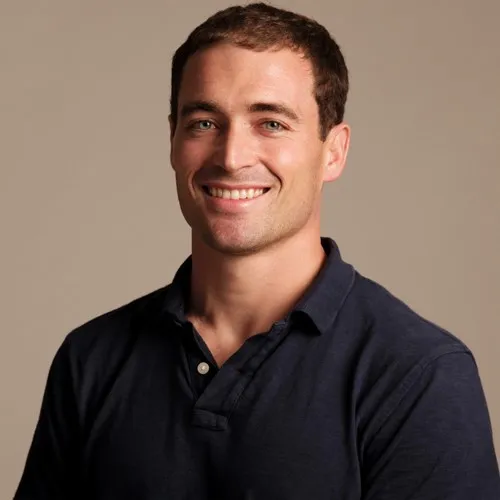
Daniel Esposito received his Ph.D. in Chemical Engineering from the University of Delaware and studied as a postdoctoral research associate at the National Institute of Standards and Technology. He is now an Associate Professor in Chemical Engineering and a core member of the Columbia Electrochemical Energy Center. His group’s research interests relate broadly to electrochemistry for clean energy applications, including but not limited to electrolyzers, fuel cells, and solar fuels generators. Esposito was named a Scialog Fellow in Advanced Energy Storage, an NSF CAREER award winner, and is a co-founder and advisor of the start-up company sHYp BV PBC.

Martin Fransson oversees Mercator’s Primary Research function, a standalone research platform focusing on first principles analysis of the key scientific and technological trends driving decarbonization and sustainability in the basic materials sector. A key focus is accessing thought leaders within academia, national labs, and industry. Martin received his PhD in Physical Chemistry from Princeton University.
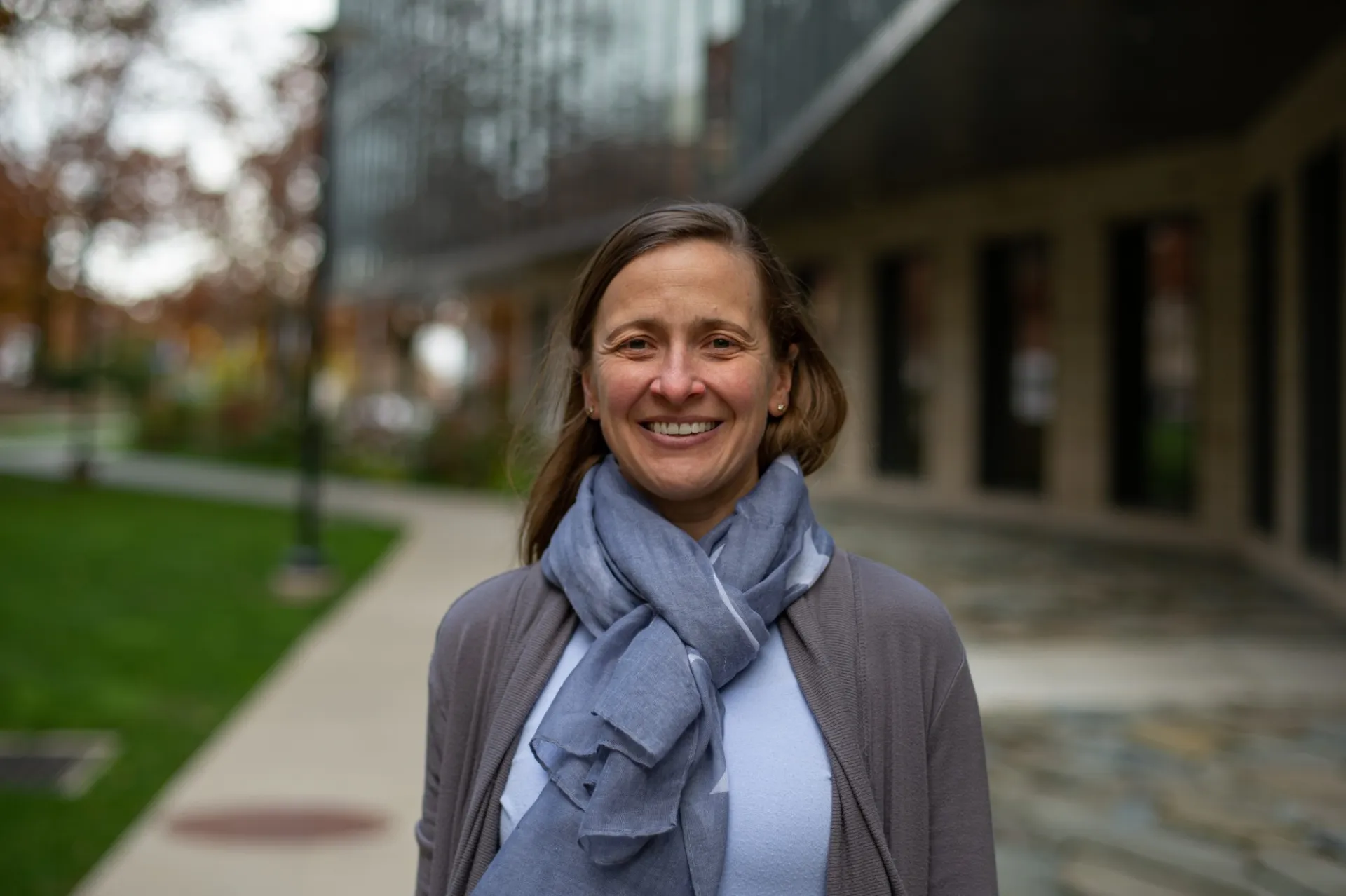
Lauren Greenlee is a chemical and environmental engineer with an R&D background in water electrolysis and water treatment processes. She has over 10 years of experience in leading R&D teams and spinning out technologies from university research. In her previous roles, Lauren co-founded a water treatment technology startup, managed over $14M in funded R&D projects, and formed 15+ federal, corporate, small business, and academic institutional partnerships. At sHYp, Lauren leads the technology vision and strategy for the entire U.S.-U.K. team.

Garud Iyengar is the Tang Professor of Operations at Columbia Engineering. He received his B. Tech. in Electrical Engineering from IIT Kanpur, and an MS and PhD in Electrical Engineering from Stanford University. His research interests are broadly in control, machine learning and optimization. His published works span a diverse range of fields, including information theory, applied mathematics, operations research, economics and financing engineering. His current projects focus on the areas of large-scale power systems and supply chains, causal inference, and modeling of cellular processes. He was elected an INFORMS Fellow in 2018. He was the Chair of the Department of Industrial Engineering and Operations Research from 2013-19, and the Associate Director for Research at the Columbia Data Science Institute from 2017-19. He has been an Amazon Scholar since 2019. He is currently the Senior Vice Dean for Research and Academic Programs at Columbia Engineering.

Lauren Marbella is an Associate Professor in the Department of Chemical Engineering at Columbia University. Her research group focuses on understanding the relationship between electrochemical performance and interfacial chemistry in devices for energy storage and conversion. Her research relies heavily on the use of nuclear magnetic resonance imaging (MRI) and spectroscopy to evaluate changes in material properties in real time to elucidate the chemical mechanisms underpinning degradation in Li and beyond Li ion battery systems. Marbella’s research has received numerous awards including the Cottrell Scholar Award (2022), the National Science Foundation (NSF) Faculty Early Career Development (CAREER) Award (2021), and the Scialog Collaborative Innovation Award for Advanced Energy Storage (Sloan Foundation, 2019).
Marbella received her PhD in chemistry from the University of Pittsburgh in 2016, under the direction of Prof. Jill Millstone. In 2017, she was named a Marie Curie Postdoctoral Fellow at the University of Cambridge in the group of Prof. Clare Grey. There, she was also named the Charles and Katharine Darwin Research Fellow, which recognizes the top junior fellow at Darwin College at the University of Cambridge. She joined the chemical engineering faculty at Columbia University in 2018.

Scott Marquis earned his PhD in battery modelling from the University of Oxford, where he applied asymptotic methods to develop reduced-order models of the DFN/P2D. During his PhD he co-founded and contributed heavily to the open-source battery modelling software PyBaMM, which has become a popular tool in both academia and industry. He remains an active member of the PyBaMM steering committee. Now at Northvolt, Scott works closely with both the cell design and materials teams, utilizing a combination of modelling and data-driven techniques including 3D thermal modelling, equivalent circuit modelling, electrochemical modelling, and machine learning to accelerate the cell development process.

Dr. Cheryl Martin founded Harwich Partners to engage public and private sector entities in designing and implementing solutions for complex problems, especially those related to energy, sustainability, and technology adoption at scale.
Previously she was a member of the Managing Board at the World Economic Forum. Before this, Cheryl served as the Acting Director of the DOE’s Advanced Research Projects Agency–Energy (ARPA-E). She was also the Deputy Director for Commercialization where she developed the Technology-to-Market program. Prior to joining ARPA-E, Cheryl was an EIR at Kleiner Perkins after a career with Rohm and Haas Company in roles ranging from technology development to investor relations and business management.
Cheryl serves on the Boards for Sound Agriculture, Menzies Aviation, Evergreen Climate Innovations and Elemental Excelerator. She received her PhD in organic chemistry from MIT.

Dr. Y. Shirley Meng is a Professor at the Pritzker School of Molecular Engineering at the University of Chicago. She serves as the Chief Scientist of the Argonne Collaborative Center for Energy Storage Science (ACCESS) Argonne National Laboratory. Dr. Meng is the principal investigator of the research group - Laboratory for Energy Storage and Conversion (LESC), that was established at University of California San Diego since 2009. She held the Zable Chair Professor in Energy Technologies at University of California San Diego (UCSD) from 2017-2022. Dr. Meng received several prestigious awards, including the C3E technology and innovation award (2022), the Faraday Medal of Royal Chemistry Society (2020), International Battery Association IBA Research Award (2019), Blavatnik Awards for Young Scientists Finalist (2018), American Chemical Society ACS Applied Materials & Interfaces Young Investigator Award (2018), C.W. Tobias Young Investigator Award of the Electrochemical Society (2016) and NSF CAREER Award (2011). Dr. Meng is elected Fellow of Electrochemical Society (FECS), Fellow of Materials Research Society (FMRS) and Fellow of American Association for the Advancement of Science (AAAS). She is the author and co-author of more than 280 peer-reviewed journal articles, two book chapters and six issued patents. she is the Editor-in-Chief for Materials Research Society MRS Energy & Sustainability. Dr. Meng received her Ph.D. in Advance Materials for Micro & Nano Systems from the Singapore-MIT Alliance in 2005. She received her bachelor’s degree in Materials Science with first class honor from Nanyang Technological University of Singapore in 2000.
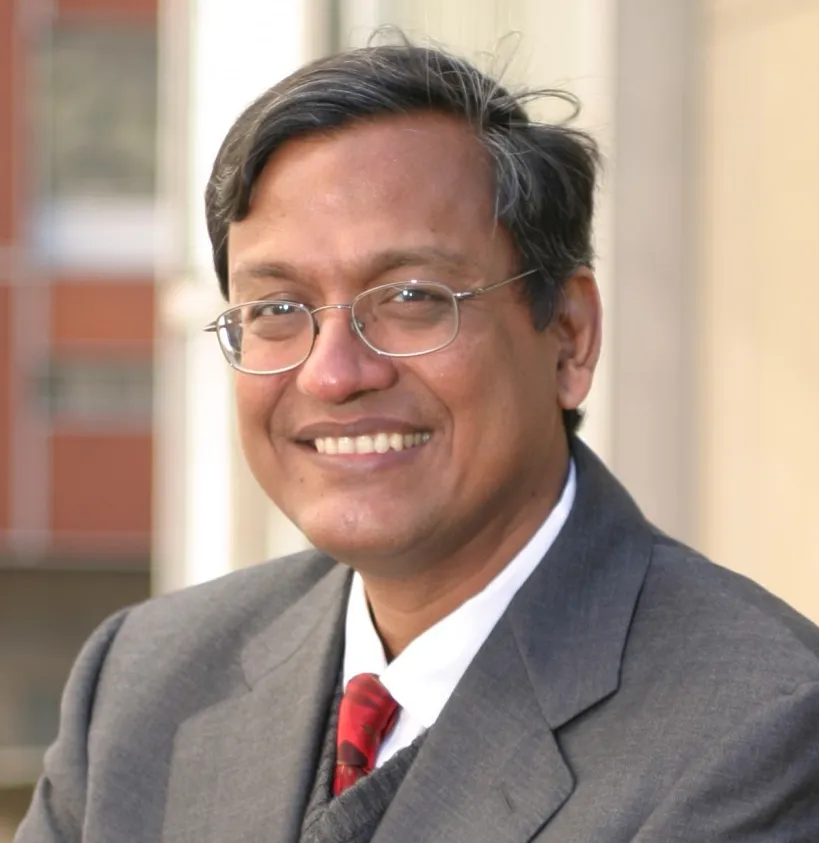
Vijay Modi is a Professor in Columbia University’s Department of Mechanical Engineering, and also a member of the Earth and Data Science Institutes and Climate School’s faculty. He directs the Quadracci Sustainable Engineering Laboratory (QSEL). Prof. Modi’s areas of expertise are energy resources and energy conversion technologies. He has more than 30 years of experience in energy resources/conversion applied research, including thermal power generation, gas turbines, solar and wind technologies. In the last decade his laboratory has carried out pioneering work in digital mini-grids that integrate electricity supply/demand monitoring, dynamic allocation of energy/power resources to individual customers and the use of Internet of Things (IoT) for account management.
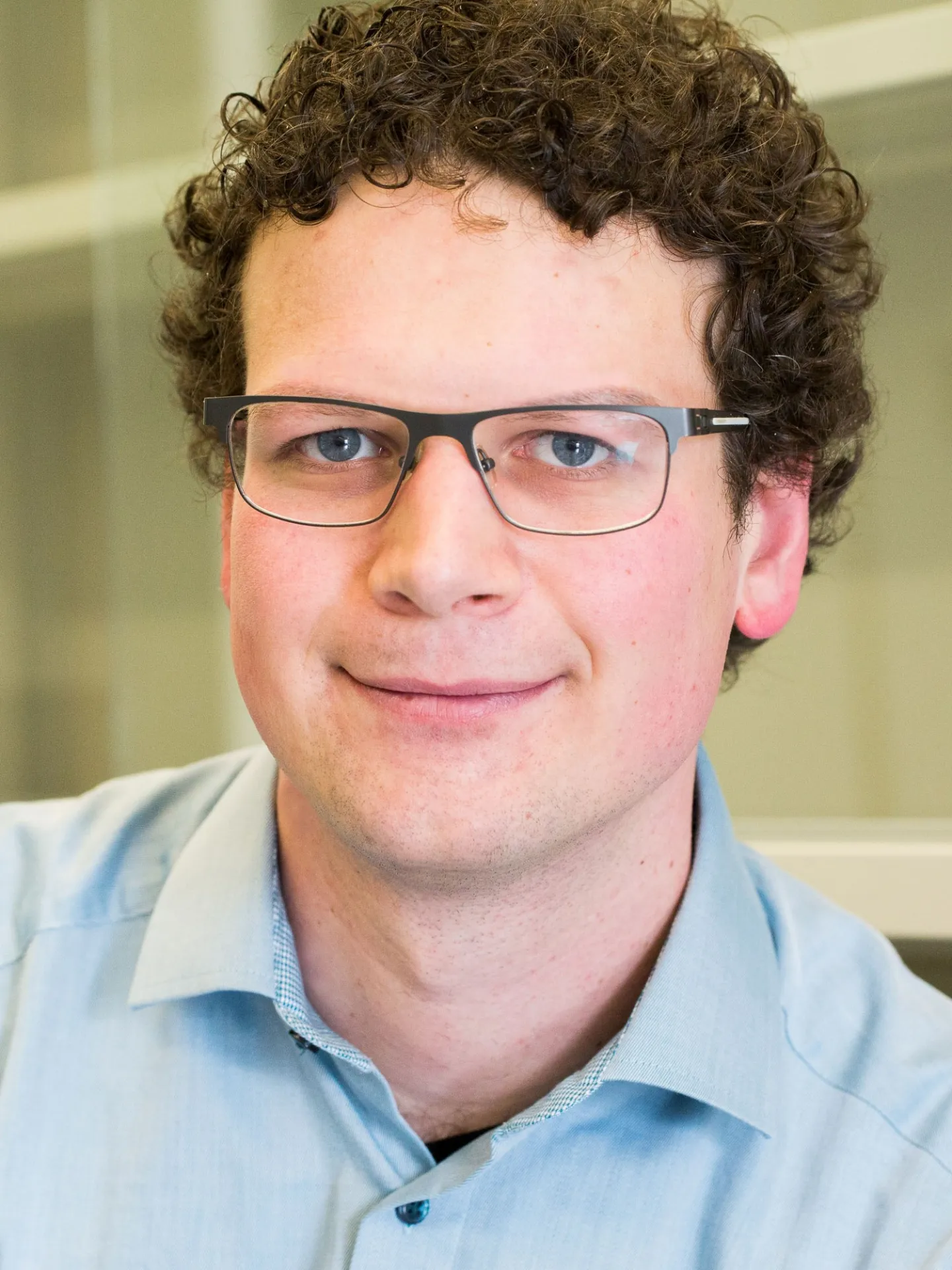
Matthias Preindl received the B.Sc. degree from the University of Padua (summa cum laude, 2008), the M.Sc. degree from ETH Zurich (2010), and the Ph.D. degree from the University of Padua (2014), in electrical engineering. He is an Associate Professor at Columbia University, USA. Prior to joining Columbia in 2016, he was an R&D Engineer of Power Electronics and Drives at Leitwind AG (2010-2012), a Post-Doctoral Research Associate at McMaster University, Canada (2014-2015).
Dr. Preindl serves as Area Editor of IEEE Transactions on Vehicular Technology and was the general chair of 2022 IEEE/AIAA ITEC+EATS. He is a Fellow of IET, Senior Member of IEEE, recipient of the NSF CAREER Award (2017), IEEE Transactions on Industrial Electronics best paper award (2019) and co-recipient of Fast Company's World Changing Ideas Awards honorable mention (2022). His research interests include the design and control of motor drives, power electronics, and batteries for transportation electrification and renewable energy.
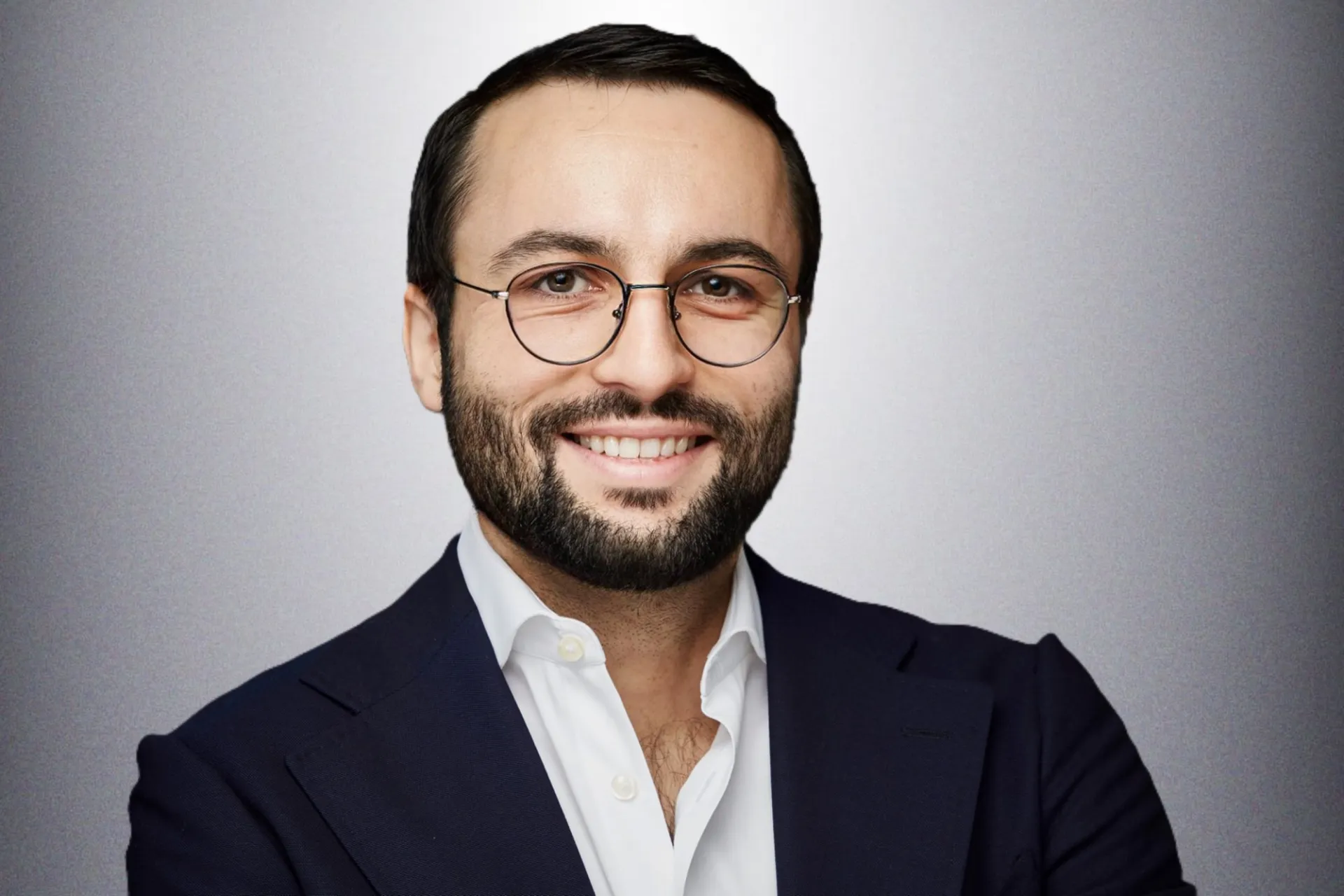
Gunduz Shirin is a Vice President within Goldman Sachs Asset Management, focused on the Climate Transition investment opportunities in North America. Gunduz has an extensive experience in evaluating, executing and managing private equity investments across a broad range of sectors. He is a board member at Hydrostor and a board observer at Redwood Materials. Prior to joining Goldman Sachs in 2014, Gunduz worked in investment banking at Bank of America Merrill Lynch in the Financial Sponsors Group. He holds a Bachelor of Science in Economics from Duke University.
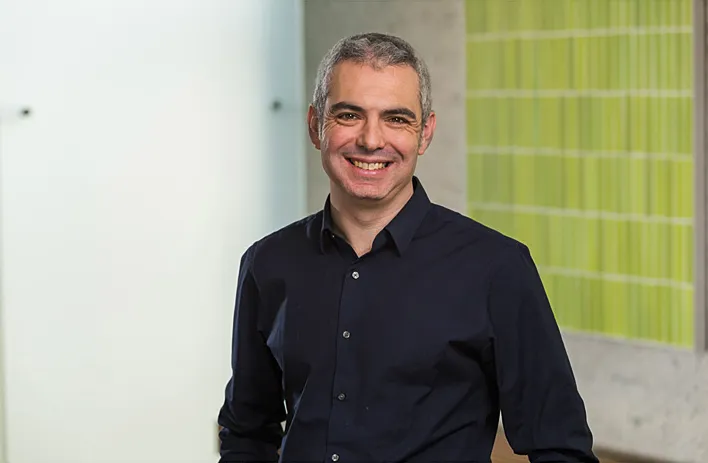
Daniel Steingart is the Stanley Thompson Professor of Chemical Metallurgy and Chemical Engineering and the co-director of the Columbia Electrochemical Energy Center. His group studies the systematic behaviors of material deposition, conversion, and dissolution in electrochemical reactors with a focus on energy storage devices. His current research looks to exploit traditional failure mechanisms and interactions in batteries and materials productions, turning unwanted behaviors into beneficial mechanisms. He is currently on leave from Columbia in his role as Chief Scientist at ElectraSteel, a startup that is reducing CO2 emissions from Steel production by over 95%
His efforts in this area over the last decade have been adopted by various industries and have led directly or indirectly to five electrochemical energy related startup companies, the latest being Feasible, an effort dedicated to exploiting the inherent acoustic responses of closed electrochemical systems. Steingart joined Columbia Engineering in 2019 from Princeton University where he was an associate professor in the department of mechanical and aerospace engineering and the Andlinger Center for Energy and the Environment. Earlier, he was an assistant professor in chemical engineering at the City College of the City University of New York. Even earlier he was an engineer at two energy related startups . He received his PhD from the University of California, Berkeley, in 2006.
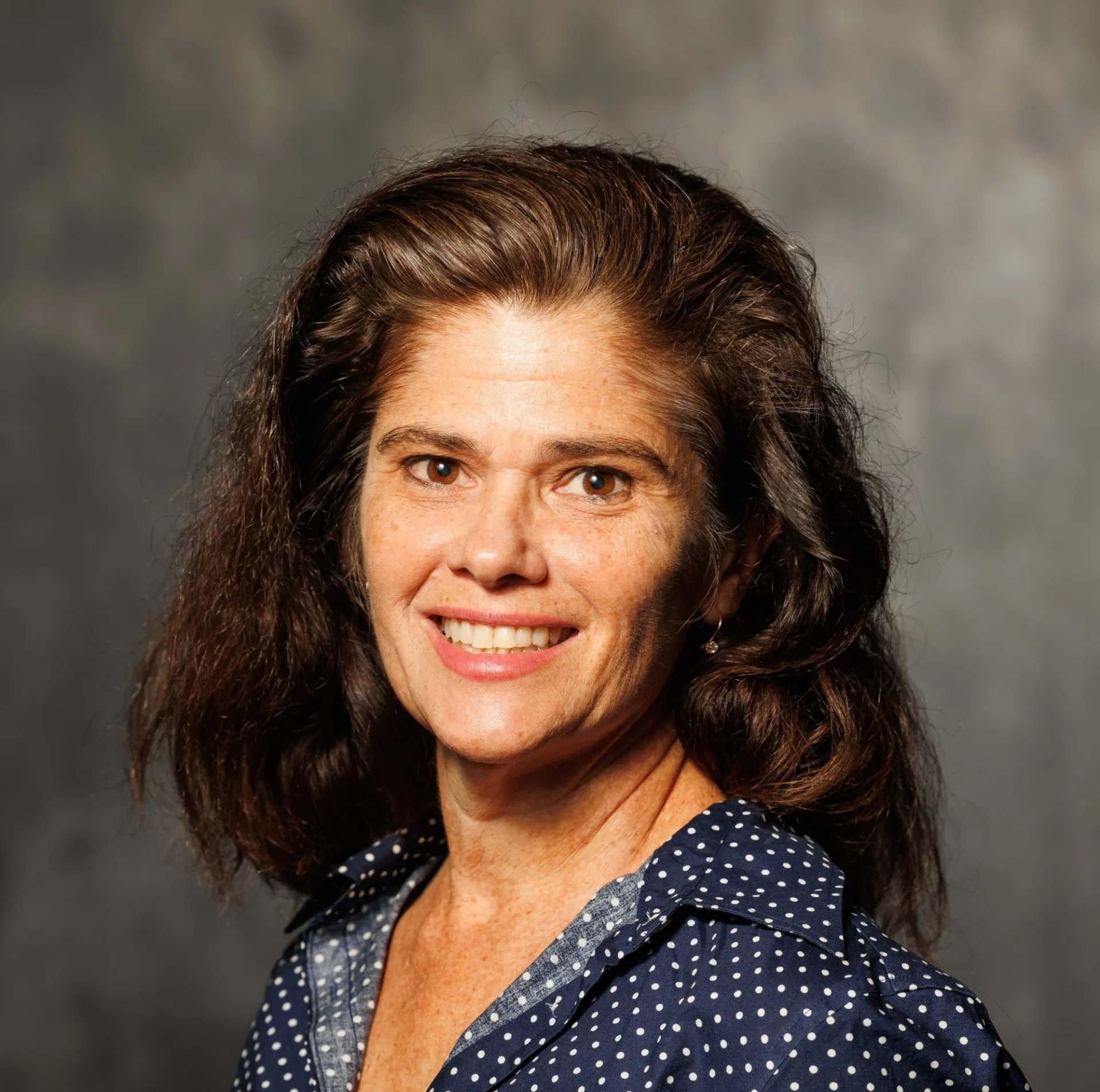
Dr. Karen Swider Lyons joined Plug Power Inc in 2021 where she is responsible for developing strategies for fuel cell technology growth over the next 2 to 10 years. Prior to working at Plug Power, Karen led the Alternative Energy Section in the Chemistry Division at the U.S. Naval Research Laboratory (NRL) for 15 years and directed NRL’s Laboratory for Autonomous Systems Research from 2018-2021. She has authored 93 papers in refereed journals and holds 18 patents and has an h-factor of 46. She earned her Ph.D. in Materials Science and Engineering from the University of Pennsylvania.

Kevin Tran focuses on accelerating materials design & discovery in the Energy & Materials division at Toyota Research Institute. He does this by developing algorithmic decision making strategies, such as automated design of experiments. He applies these methods to develop fuel cells and other sustainable energy technologies. Kevin also has prior experience as a software developer at Schrödinger and a process engineer at W.L. Gore. Kevin obtained his B.S. from the University of Delaware and his PhD from Carnegie Mellon University; both degrees were in chemical engineering.

Alex Urban is an Assistant Professor of Chemical Engineering and a core faculty-member of the Columbia Electrochemical Energy Center (CEEC) and the Columbia Center for Computational Electrochemistry (CCCE). Prior to joining the Department of Chemical Engineering at Columbia University in 2019, Alex was an independent University Fellow at the University of St Andrews, UK. He obtained his PhD from FAU Erlangen-Nuremberg in Germany and conducted postdoctoral research at MIT and UC Berkeley. Alex has been named a Scialog Fellow for Advanced Energy Storage by the Research Corporation for Science Advancement. His research interests are in understanding and discovering materials and processes for clean-energy applications using atomic-scale modeling and data science methods.
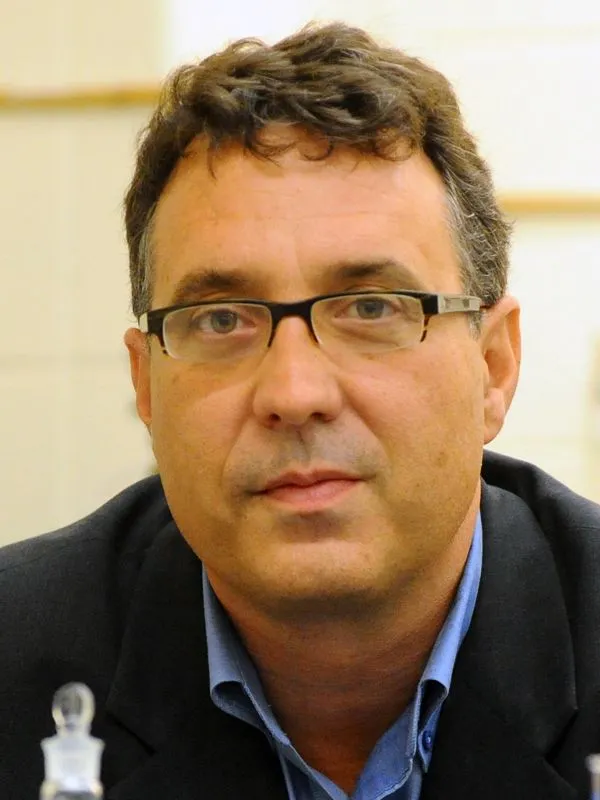
Alan West received his PhD in Chemical Engineering from the University of California and his BS from Case Western Reserve University. He is the co-director of the Columbia Electrochemical Energy Center and is the Samuel Ruben-Peter G. Viele Professor of Electrochemistry, with appointments in the Department of Chemical Engineering and the Department of Earth and Environmental Engineering. His research interests include batteries, electrochemical synthesis, and fuel cells.
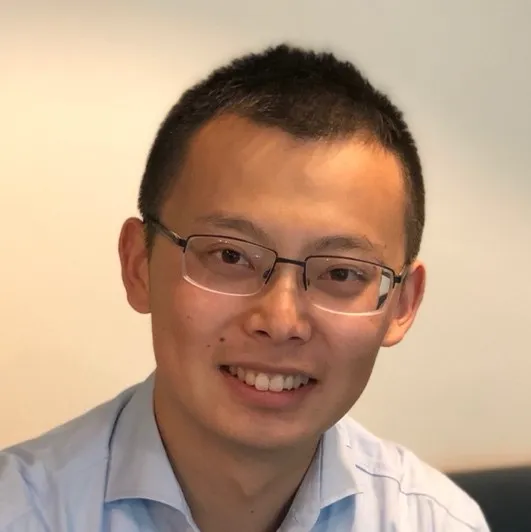
Bolun Xu is an assistant professor at Columbia University, Department of Earth and Environmental Engineering, with affiliation in the Department of Electrical Engineering, and a core faculty in Columbia Electrochemical Energy Center. His research interests include electricity markets, energy storage, power system optimization, and power system economics. He received Ph.D. degree from University of Washington, Seattle, U.S. in 2018 in Electrical Engineering. Before joining Columbia, he was a postdoc at MIT jointed hosted by MIT Energy Initiative and Lab for Information and Decision Systems. He was a recipient of the NSF CAREER award and the IISE Energy Systems Division Young Investigator Award.
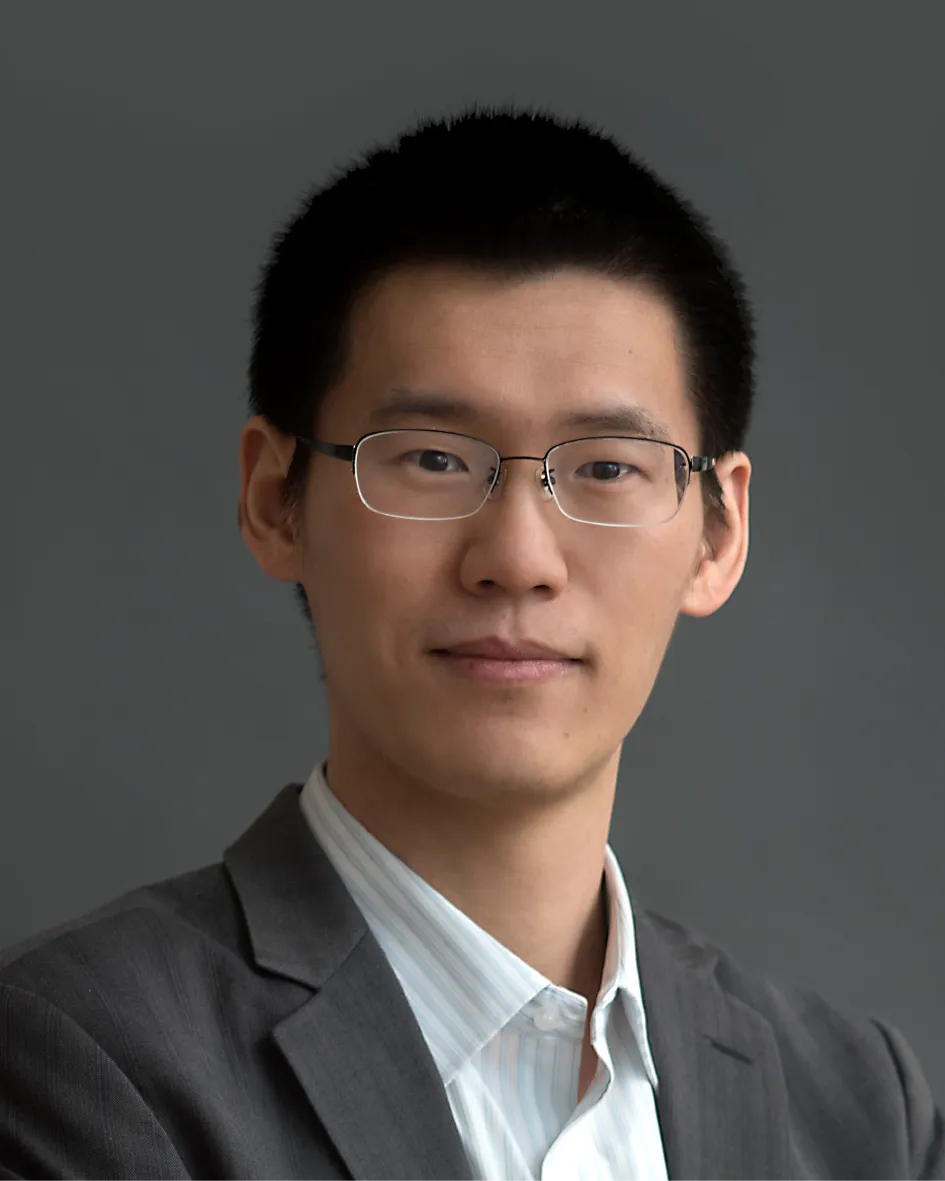
Dr. Yuan Yang is currently an associate professor of materials science in the department of applied physics and applied mathematics at Columbia University. He received his B.S. in physics at Peking University in 2007, followed by Ph.D. in materials science and engineering at Stanford University in 2012. After three years as a postdoc in the department of mechanical engineering at MIT, he joined Columbia University in 2015. Dr. Yang’s research interests include advanced energy storage and thermal energy management. He has published more than 100 peer-reviewed papers with a total citation over 30,000 times. He is a Scialog fellow on Advanced Energy Storage and a Clarivate Highly Cited Researcher in 2020 and 2021. He has won Materials Today Rising Star Award in 2022, and 3M Non-tenured Faculty Award in 2021.
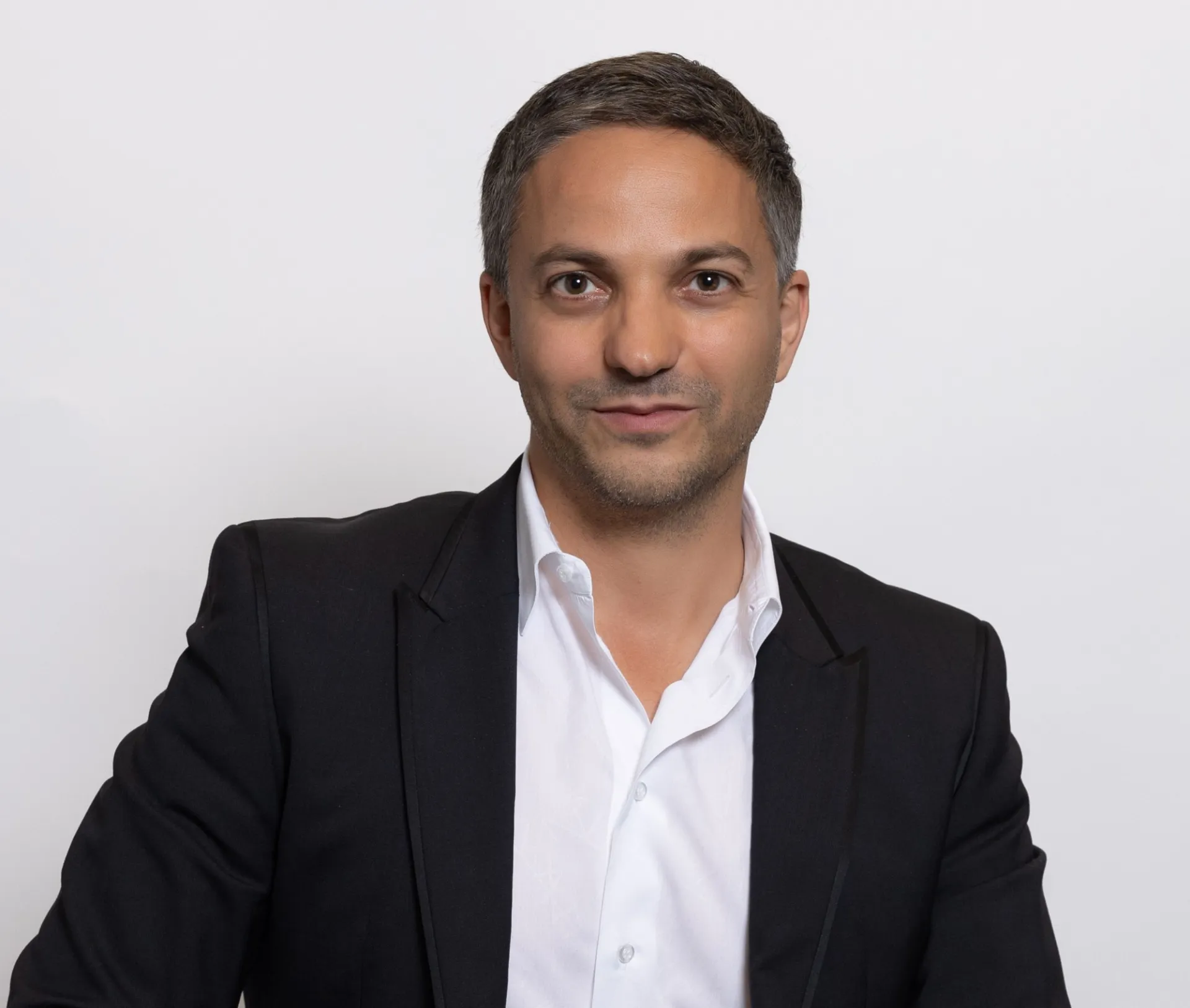
Dr. Gleb Yushin is a Co-Founder & CTO of Sila. He is also a B. Mifflin Hood Chair and Regents' Entrepreneur Professor of Materials Science at Georgia Institute of Technology and an Editor-in-Chief for Materials Today. Gleb has co-authored over 180 peer-reviewed publications, and over 210 US and international patents and patent applications. For his contributions to the development of energy storage materials Gleb has received numerous awards and was elected to be a Fellow of multiple international organizations: the International Society of Electrochemistry (ISE), the Materials Research Society (MRS), the Electrochemical Society (ECS), the EU Academy of Sciences, and the National Academy of Inventors (NAI). Gleb holds BS and MS degrees in Physics from Polytechnic Institute and a PhD in Materials Science from North Carolina State University.
FACULTY TALKS - PRESENTATION ABSTRACTS
CEEC FACULTY TALKS – Electrolyzers and catalysts for sustainable fuel generation
Electrocatalytic Materials and Devices for Production of Sustainable Chemicals and Fuels
Daniel Esposito – Associate Professor, Chemical Engineering, Columbia University
Electrocatalytic technologies have tremendous potential to enable a sustainable energy future thanks to their ability to convert abundant and renewable solar and wind-derived electricity into storable chemicals and fuels with low carbon footprint. This talk will provide an overview of research activities in the Esposito research group to advance the science and engineering of materials and devices for low-temperature electrocatalytic technologies. Specific examples related to core-shell electrocatalysts and membrane-free electrolyzers will be covered while highlighting several key experimental capabilities.
Electrochemical Reduction of CO2 at Elevated Temperatures
Juliana Carneiro – Assistant Professor, Chemical Engineering, Columbia University
A crucial part of the CO2 management system is the capture and utilization of CO2 as feedstock to produce chemicals and synthetic fuels, leading to more sustainable production processes at a large scale. In this scenario, the reduction of captured CO2 to valuable products like carbon monoxide, hydrocarbons, and oxygenates is the most attractive route to recirculate CO2 into our economy. However, current catalytic routes are limited by low productivity and high demand for green H2. Our work explores an alternative approach focusing on elevated temperature electrolysis to integrate the electrochemical reduction of CO2 with the catalytic synthesis of value-added products. This renewable-energy-driven process can reduce steam and CO2 to green H2 and CO (a CO2-neutral syngas mixture) at higher rates and purity, eliminating expensive separation steps and allowing further integration with catalytic methanol or Fischer-Tropsch synthesis pathways.
CEEC FACULTY TALKS – Electrochemical metal extraction and novel electrode chemistries
Sustaining the Energy Transition: Hydrometallurgical Processes for Cu and Ni
Alan West – Director, CEEC; Professor, Chemical Engineering, Columbia University
Sustaining the transition to carbon-free energy is essential to mitigate climate change and will require an unprecedented growth in the demand of critical metals, including nickel and copper. We have developed scalable hydrometallurgical means of extracting copper and nickel from sulfide concentrates. The processes may minimize environmental and global impacts, while being economically attractive. The copper technology, which is being commercialized by a University spinout, is briefly summarized. Exciting new results obtained for nickel processing are presented, emphasizing potential avenues to advance beyond the laboratory.
Material designs for rechargeable alkaline metal - sulfur batteries
Yuan Yang – Associate Professor, Materials Science and Engineering, Department of Applied Physics & Applied Mathematics, Columbia University
Rechargeable alkaline metal - sulfur batteries are attractive solutions for next-generation energy storage, as they potentially have low cost and high energy density. However, dendrite formation, shuttle effects, and poor kinetics in solids cause poor electrochemical performance. In this talk I will present our recent studies on improving the performance of alkaline metal sulfur batteries: 1) Phase transformation in solid polymer electrolyte to enhance the reversibility of lithium metal anode. 2) An oxide/sulfur composite cathode to enhance the cycling performance of all-solid-state Li-S batteries. and 3) A new solvent to enhance the energy density and cycling performance of intermediate temperature Na-S batteries.
CEEC FACULTY TALKS – Motivating new models for deployment
Electrochemical Engineering At New Scales: Unprecedented Challenges and an Opportunity We Cannot Afford to Mess Up
Dan Steingart – Director, CEEC; Stanley-Thompson Professor of Chemical Metallurgy, Departments of Earth and Environmental Engineering and Chemical Engineering, Columbia University
The electrochemical transition has firmly shifted from “if” to “when,” and the motivating principle of the Columbia Electrochemical Energy Center is to accelerate this transition in the best ways we, as an academic institution, can. A significant boundary condition to this is scale. There would be considerable surprises if we had a time machine and showed leading electrochemical engineers from 1990 what efforts worked at scale and what did not. We have a few scaling laws for electrochemical energy systems and need many more. I will cover a few problems I’ve experienced in the last few years working with metal production and battery industries and provoke a few questions (with a few solutions and caveats).
Battery storage- role in low-income vs high income settings
Vijay Modi – Professor, Mechanical Engineering, Columbia University
Many countries and populations in sub-Saharan Africa face an infrastructure quandary. Should one develop centralized grids in lieu of solar and batteries? Is the promise of leapfrogging panning out? What can we learn from those settings?
POSTER PRESENTERS

Physics Based Model Parameterization for Phenomenological Discovery in Electrochemical Systems
The continued development of electrochemical energy storage systems, and particularly lithium-ion batteries, is critical to enabling a sustainable energy future. However due to the inherently complicated nature of these systems, they are difficult to study and subsequentially improve. By employing physics based models coupled with simple experiments, statistics, and machine learning, one can efficiently cut through the complexity and draw nuanced conclusions about factors influencing their operation and degradation.
Abdul Fayeed Abdul Kadir graduated from University of Delaware in 2022 with a bachelor degree in Chemical Engineering and minors in Business Administration, Chemistry, and Economics. He is a 2nd-year PhD student in the Department of Chemical Engineering, where he builds physics-based models to study electrochemical energy storage systems. Specifically, his work focuses on the study of aluminum chloride batteries using Concentrated Solution Theory.
Real-Time Locational Marginal Price Forecasting: A Transformer-Based Approach
This poster presents a transformer-based forecasting model for the real-time locational marginal price (LMP). The high nonlinearity of the real-time LMP makes it challenging to achieve accurate predictions using existing models from the literature. We utilize a transformer-based model for real-time LMP prediction, showing promising results in capturing complex patterns of real-time LMP. In addition, we adopt a customized loss function to reflect the loss that arose from the decision-making process. We trained and tested our model with historical data from New York State, our results showed that the model was able to accurately predict most of the real-time LMP spikes in the hour-ahead task while still performing well in the day-ahead forecasting task.
Saud Alghumayjan received his B.Sc. degree in Electrical Engineering from King Saud University in 2018 and his M.S. degree in Electrical Engineering from Columbia University in 2022. Before joining Columbia University he worked at the Center for Complex Engineering Systems at KACST and MIT as a Research Specialist where he tackled various problems related to power systems such as Electiricy Fraud Detection and Time-series Forecasting. Saud’s research interests are in the areas of machine and statistical learning, optimization, and computational modeling.

Physics Based Model Parameterization for Phenomenological Discovery in Electrochemical Systems
The continued development of electrochemical energy storage systems, and particularly lithium-ion batteries, is critical to enabling a sustainable energy future. However due to the inherently complicated nature of these systems, they are difficult to study and subsequentially improve. By employing physics based models coupled with simple experiments, statistics, and machine learning, one can efficiently cut through the complexity and draw nuanced conclusions about factors influencing their operation and degradation.
John Bernard graduated from Northeastern University in 2019 with Bachelors degrees in Chemical Engineering and Electrical Engineering. Before coming to Columbia, he worked for Nano-C Inc. doing application development and scale-up for nanostructured carbon materials. He is a 3rd-year Ph.D. student in the Department of Chemical Engineering, where he builds mathematical models to study electrochemical energy storage systems. His research has focused on the effect of binders on Lithium transport through cathodes, and more recently he is employing models to study new and emerging battery chemistries targeted toward grid-scale storage solutions.
Ultrathin Proton-Conducting Oxide Membranes for High-Capacity Water Electrolysis
Ultrathin (<1 µm) oxide membranes are being studied as proton-conducting electrolyte alternatives to conventional PFSA polymer electrolyte membranes (PEM) for low-temperature water electrolyzers for hydrogen production. The enhanced performance of these proton-conducting oxide membrane (POM) electrolyzers is enabled by the lower ionic resistance of dense oxide-based membranes that are 2-4 orders of magnitude thinner than conventional Nafion membranes.
Lucas Cohen is a 3rd year chemical engineering PhD student in Prof. Daniel Esposito’s research group at Columbia University. Prior to Columbia, he obtained his bachelor's degree in chemical engineering and physics from Northeastern University and worked for 2+ years in industry developing novel battery and hydrogen fuel cell/electrolyzer technologies. In the Esposito lab, Lucas designs selective transport materials to enhance electrocatalysts and electrochemical devices for sustainable fuels synthesis. His research has focused on the effect of oxide-encapsulated electrocatalysts on the CO2 reduction reaction selectivity, and more recently, he is employing 1D transport models to study ultrathin oxide membranes for water electrolysis.

Electrolyte Design for Li-ion and Beyond Li-ion Batteries: Investigations with NMR Spectroscopy
Increased production of Li-ion batteries for transportation and grid storage has strained the Li supply chain with negative cost and geopolitical consequences. Alternative chemistries such as K-ion batteries (KIBs) use abundant materials and are increasingly popular, but it is unclear if LIB design principles apply to KIBs. Our work shows that FEC, routinely used in LIBs, compromises K-ion batteries by forming KF in the interphase and raising internal resistance. Additionally, we show that nonflammable alkyl phosphate electrolyte additives known to damage graphite in LIBs can be used in KIBs due to unique solvation properties of K+.
Drew Ells began his PhD in chemical engineering in 2019 and works under Prof. Lauren Marbella. His research determines if long-established design principles for lithium-ion electrolytes are applicable to potassium-ion batteries. Potassium batteries have gained popularity as an affordable chemistry that relieves strain on the volatile lithium supply chain. In his research, Drew primarily focuses on characterization using nuclear magnetic resonance spectroscopy. He received B.S. degrees in chemical engineering and systems engineering at Washington University in St. Louis, and has been awarded the DoD NDSEG and NSF GRFP fellowships.
Tandem Electrocatalytic-Thermocatalytic Reaction Schemes for CO2 Conversion to Value-Added Oxygenates
The transition of energy production from fossil fuels to renewable energy is expected to play a key role in reducing global emissions. A promising method to store renewable energy is through electrolysis, where renewable energy is used to convert low-cost feedstocks into storable chemical fuels. However, the activity, stability, and selectivity of electrocatalysts must first be optimized to enable cost-effective and efficient electrolysis. A novel approach to tune electrocatalyst performance is to apply ultrathin oxide coatings directly to the electrocatalyst surface. At the Solar Fuels lab, we have shown that encapsulating electrocatalysts with an oxide overlayer enhances performance, selectivity, stability, and poison resistance. Additionally, electrolyzer costs must be decreased in a renewable energy future. Membraneless electrolyzers offer exciting opportunities to decrease costs through their simplicity. Membrane-free devices have potential advantages in terms of durability and electrolyte flexibility that can enable electrolyzers to be used in new operating regimes and/or applications.
Daniela Fraga grew up in Quito, Ecuador and received her B.S in Chemical Engineering from Worcester Polytechnic Institute (WPI) and M.S from Columbia University. She is a third year Ph.D. student and her research interests are seawater/brine electrolysis, electrochemical flow cells, and electrocatalyst architecture. She is part of the Chemical Engineering Graduate Student Organization, cycling club, and tango club at Columbia University.

Tandem Electrocatalytic-Thermocatalytic Reaction Schemes for CO2 Conversion to Value-Added Oxygenates
One possible solution to closing the loop on carbon emissions is using CO2 as the carbon source to generate high-value, multi-carbon products. However, CO2 is thermodynamically stable and difficult to convert directly into oxygenated hydrocarbons in a single reactor. Therefore, the application of tandem reaction strategies coupling thermo-, electro-, or plasma-catalysis are necessary for effectively upgrading CO2. Here, we focus on two tandem electrochemical-thermochemical reaction strategies: (1) CO2 electrochemically reduced into syngas followed by the thermochemical methanol synthesis reaction, and (2) CO2 electrochemically reduced into ethylene and syngas followed by the thermochemical hydroformylation reaction to produce propanal and 1-propanol. We present experimental results for the proposed reaction schemes, as well as a comparative analysis of the energy costs and prospects for net CO2 reduction. Tandem reaction systems can provide an alternative approach to traditional catalytic processes, and these concepts can be further extended to other chemical reactions and products.
Samay Garg is a second year Ph.D. Student in the Chen Research Group at Columbia University, where his research focuses on developing electrocatalytic processes for chemical synthesis. Prior to attending Columbia, he completed his bachelors degree at the University of California, Berkeley, where studied water electrolysis and fuel cells as a research affiliate in Dr. Adam Weber’s research group at Lawrence Berkeley National Laboratory. He is the recipient of and NSF Graduate Research Fellowship.

Fabrication and Model-Guided Design of Thick-Format Lithium Ion Electrodes
To enable the use of renewable energy in place of fossil fuels for grid-scale electricity generation, low-cost, long-duration (3 hr charge, 12 hr discharge) energy storage systems must be developed to bridge the intermittency of these resources. This present work explores the adoption of thick-format lithium-ion electrodes to minimize inactive material cost and achieve <$100/kWh of storage. Thick lithium iron phosphate (LFP) pellets were fabricated using a dry pressing process, and the effects of composition, thickness/porosity balance, and electrolyte choice on the performance of the LFP half cells were explored. LFP electrodes with thicknesses up to 1 mm and capacities up to ~15 mAh/cm2 exhibited good rate performance (~90% utilization at a C/10 rate) and stable cycling over 100 cycles. A physics-based model was used to study transport within these thick electrodes. As thickness increases, large concentration gradients form across the electrode, with salt depletion at the current collector and salt accumulation at the separator exceeding the solubility limit of conventional electrolytes. Unlike fast-charging thin electrodes where kinetic overpotentials dominate inefficiencies, thick electrode performance is diffusion-limited, suggesting that methods for minimizing tortuosity and increasing ionic conductivity will be key in enabling low-cost thick electrodes.
Kedi Hu is a fourth-year student in Chemical Engineering, co-advised between Alan West & Dan Steingart. Her research focuses on developing fabrication processes and physics-based transport models to adopt lithium-ion battery chemistries to a low-cost bobbin cell format suitable for grid storage applications. Before Columbia, Kedi graduated from MIT in 2020 with a B.S. in Chemical Engineering and a B.S. in Architecture.
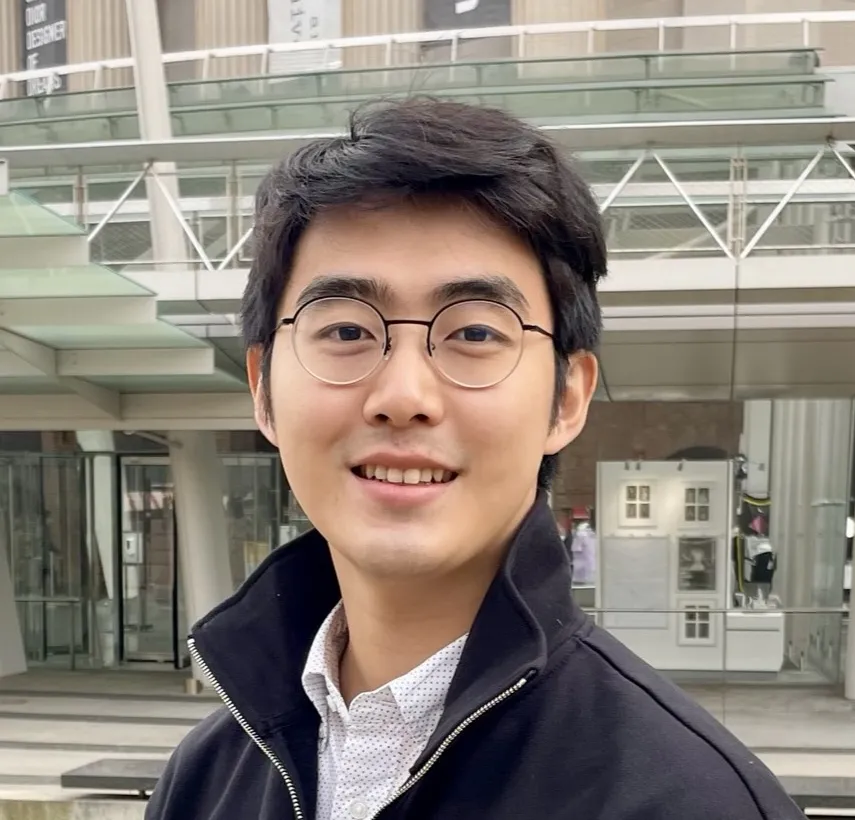
In-Situ NMR Characterization of Lithium Deposition Morphologies in Multilayered Anode-Free Batteries
Abstract: Anode-free batteries (AFBs) provide a promising pathway towards significantly increasing energy density, reducing cost, and improving the safety of Li metal batteries. However, AFBs show low cycling stability as Li is irreversibly lost as dead Li and solid electrolyte interphase (SEI), exacerbated by Li’s tendency to nucleate into high surface area morphologies. This motivates the objective to track the evolution of morphology and loss of Li of AFBs in operation. In-situ NMR offers non-invasive characterization of Li growth with temporal resolution. We demonstrate a novel operando NMR technique for multilayered AFB, and compare the differences in electrochemical performance of NMC and LFP as two candidate cathode chemistries. We observe similar rates of dead Li accumulation in both types of cells, while the rate of SEI formation is greater in Cu/NMC cells. We correlate this to more porous Li morphologies in Cu/NMC cells, causing lower capacity retention than Cu/LFP cells.
Yongbeom (Eric) Kwon is a PhD student in Chemical Engineering at Columbia University. He works on new approaches to characterize battery materials using NMR under the direction of Dr. Lauren Marbella. NMR uniquely offers dynamic molecular descriptions evolving with device operation, allowing the correlation between molecular-level phenomena and macroscopic performance metrics of batteries in practical scenarios. These insights provide basis for material design and functional engineering of novel energy storage solutions. Eric received a BS and MS in Chemical Engineering from Brown University in 2020 and 2021, respectively.
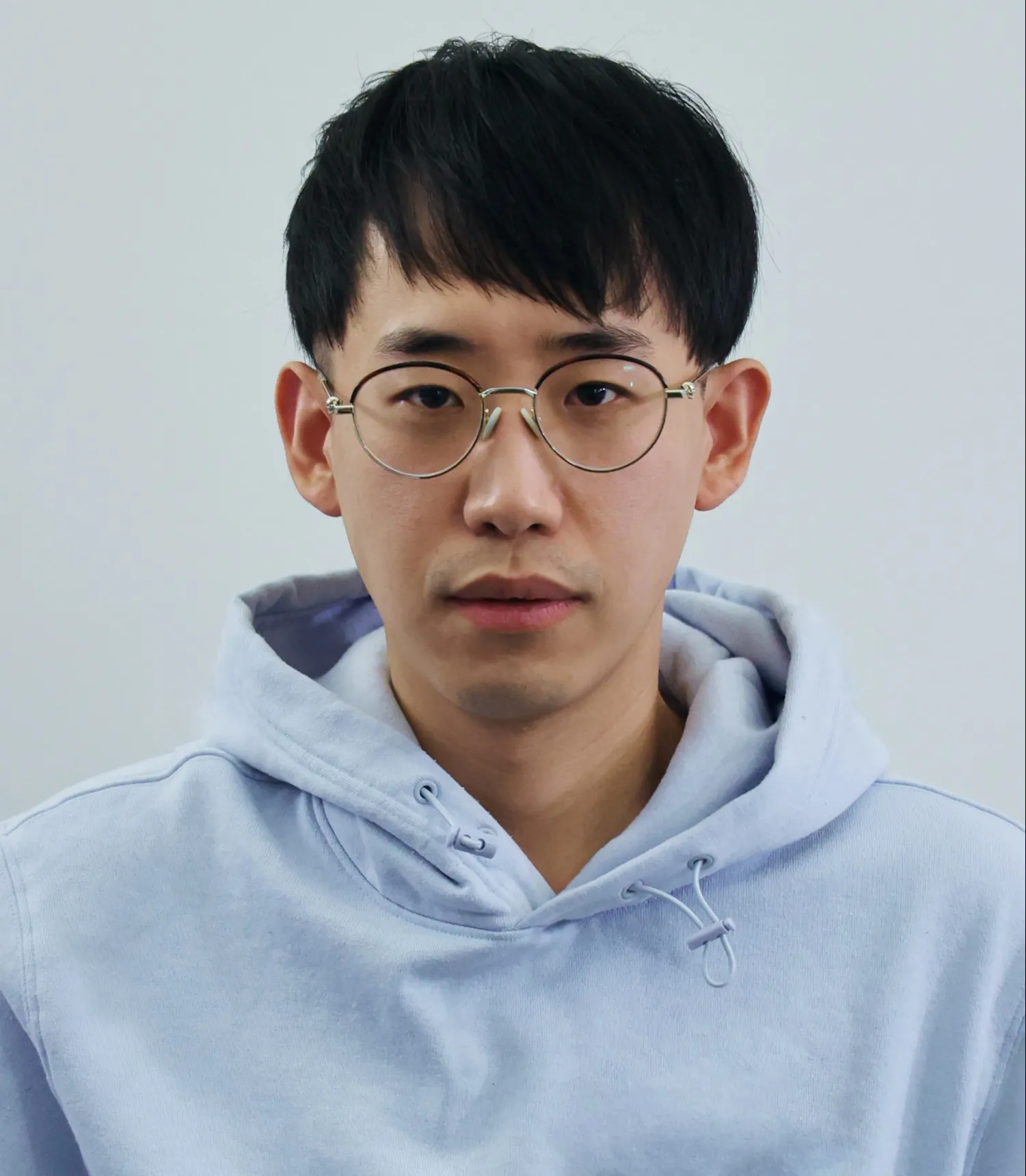
Understanding degradation in Li-ion battery cathodes on the atomic scale
Most energy-dense Li-ion battery cathodes are derived from LiCoO2 (LCO) and rely on the scarce transition metal Co. Although LiNiO2 (LNO) is chemically similar, LNO and other Co-free Ni-rich cathodes suffer from rapid degradation during cycling, leading to safety concerns and preventing commercial adoption.
First-principles electronic structure theory provides an ideal tool to probe the atomic- and electronic-scale features that cause the instability of LNO. We applied first-principles modeling to shed light on surface reactivity using a thermodynamic methodology for the prediction of surface electrode reconstructions that we recently developed (Li et al., ACS Appl. Energy Mater. 5, 2022, 5730–5741). We implemented this approach in a computational framework automating time-consuming manual steps. We determined the self-reduction mechanism of LNO and the results provide insight into the initial stages of surface degradation in Ni-rich cathodes and lay the foundation for the computational design of cathode materials stable against oxygen release.
Xinhao Li is a 4th year Ph.D. candidate in the department of chemical engineering at Columbia University. His research in Dr. Alexander Urban’s group focuses on understanding atomic-scale properties of Li-ion battery cathode materials using electronic structure theory and data-science techniques. A specific focus of his research has been the prediction of electrode surface reactivity. He is the main developer of a Python framework for the automation of surface modeling to accelerate materials discovery. Prior to joining Columbia, he graduated from the University of Edinburgh, Scotland, UK.
Strong & Stable Gigafactory Margins With Sodium-Ion Battery Manufacturing
Sodium-ion cells have quickly emerged as a cost-competitive battery technology that is well sheltered from lithium carbonate's price elevation and volatility. Standard Potential is a manufacturing startup supplying gigafactories with Na-ion cathode active materials that use abundant minerals, promote domestic energy security, and enable cell producers to improve profitability as we scale the US commercial battery industry.
What is the cutting edge for Na-ion in terms of price and performance? We will present a bottom-up techno-economic analysis showing that Na-ion is 20% cheaper than lithium iron phosphate (LFP) on the cell level. Standard Potential will also share the latest data on Na-ion characteristics such as improvements in cycle-life longevity, low-temperature, and high-rate operation. The elimination of copper current collectors also simplifies safety in transportation logistics, as well as the workflow for Na-ion cell manufacturing.
Significant opportunities exist for cell and pack manufacturers as early adopters of Na-ion technology. One major advantage is that Na-ion materials are a drop-in alternative in commercial-scale Li-ion cell production lines. Given the nascent North American Na-ion ecosystem, we will also share information on specification requirements across key battery components such as Standard Potential’s cathode — a sodium ferromanganese layered oxide — as well as the necessary hard carbons, and electrolytes to accelerate qualification timelines.
Where will Na-ion batteries be deployed? Where won’t they compete? A survey of the market shows uptake in key product segments such as storage and micro-mobility. In particular, Na-ion offers a robust alternative to both lead acid batteries, as well as LFP batteries as LFP advances to electric vehicles with higher energy density requirements.
Supply-chain stability is inherent to Na-ion: soda ash, a core component produced in excess in the US, is orders of magnitude cheaper and more abundant than its lithium counterparts. We will also share opportunities to promote circularity between Li-ion and Na-ion material streams as major domestic battery recycling efforts come online.
By showcasing the trajectory of Na-ion cells, Standard Potential is positioned as the leading domestic cathode manufacturing partner to bring abundance to batteries and help democratize the electrification era.
Dr. Richard May has been working in the clean energy and electrochemistry space for nine years, starting with undergraduate research in Caltech and Stanford labs and continuing with an internship on the Cell Quality team at Tesla. Richard holds a B.S. from Caltech and Ph.D. from Columbia, both in chemical engineering. His doctoral thesis centered on using advanced characterization techniques to understand electrochemical interfaces in lithium metal batteries, with major contributions to work on layered oxide lithium-ion cathode materials and potassium ion batteries. As a postdoc, Richard established Columbia’s battery material circularity and recycling research program and is leading efforts to understand bottlenecks in the battery and photovoltaics supply chains.

Innate Energy: A Simplified Battery for Stationary Energy Storage
Innate Energy is building a battery using very low-cost active materials along with a cell that’s extremely light on balance of plant. Gravity replaces the most expensive components used in other batteries presenting a design of unprecedented simplicity and a scalable solution for grid-wide energy storage.
Rob Mohr finished his PhD in Chemical Engineering at Columbia in 2023 and recently became a fellow with Activate. Previously he worked at 2 battery startup companies working on improving affordability of battery technologies and is using that experience to scale-up and commercialize the technology explored during his PhD work.
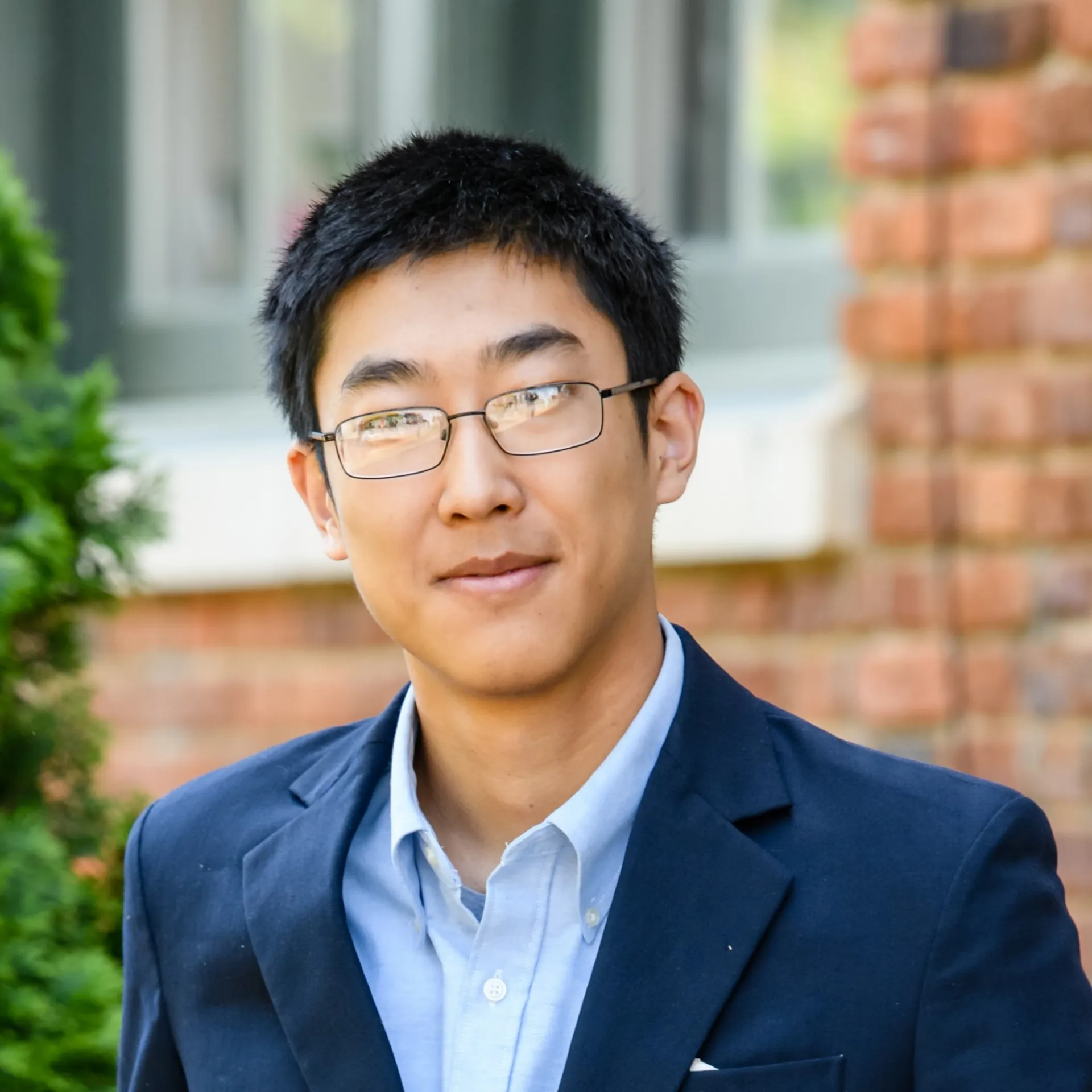
Electrocatalytic Trends of Metal-Modified Transition Metal Nitrides for Hydrogen Evolution
Transition metal nitrides (TMNs) are a class of electrocatalyst support materials similar to transition metal carbides (TMCs) with the advantage of avoiding the issues arising from surface deposits of graphitic carbon during synthesis. Inspired by previous studies suggesting that TMCs could be used as supports to reduce Pt loading for the hydrogen evolution reaction (HER), this work explored the feasibility of using TMN-supported Pt and Au as HER electrocatalysts. This study established a volcano-like trend between the electrochemical HER activity and hydrogen binding energy (HBE) calculated from DFT for well-characterized thin films of TMNs and TMN-supported catalysts. Pt/TiN was found to be the most active among the metal-modified TMN thin films and 5 wt% Pt/TiN powder catalysts exhibited higher ECSA-normalized HER activity than the 5 wt% Pt/C benchmark. In-situ X-ray absorption fine structure (XAFS) studies provided additional characterization of the Pt/TiN catalyst under HER conditions. The trend in the electrochemical stability of TMNs was also investigated over a wide range of applied potentials and pH values, which can be used to guide future studies for TMN-supported electrocatalysts.
Hansen Mou is a PhD Candidate and an NSF Graduate Research Fellow in Chemical Engineering at Columbia University in the City of New York. He graduated from Clemson University in 2019 with a B.S. in Chemical Engineering, and an M.S. in Chemical Engineering from Columbia in 2021. Before studying at Columbia, he has been involved with other areas of clean energy research, from slurry electrodes for vanadium redox flow batteries at RWTH-Aachen University in Aachen, Germany, to characterizing anion exchange membranes for use in next-generation fuel cells and electrolyzers at the University of Delaware. He is currently studying and developing electrocatalysts for the electrochemical synthesis of alternative fuels from biomass derived molecules and water.

Investigating the Effects of Voltage-Limited Formation Protocol on Si Anodes
Silicon anodes in Li-ion batteries are known to react with the electrolyte, forming a heterogeneous layer of decomposition products known as the solid electrolyte interphase (SEI). This layer is crucial to the battery’s performance, as it can have passivating properties that prevent further reactions and mitigate capacity loss. Unfortunately, the SEI in silicon anodes suffers from instability due to the volume expansion and contraction upon lithium insertion and extraction, respectively. Developing a more robust SEI can mitigate capacity loss and improve the overall performance of Si batteries. In this work, we aim to alter the properties of the SEI by utilizing formation-limited cycling protocols to modify composition and limit volume expansion during formation. In addition to electrochemical analysis, we will use various ex situ methods and operando ultrasound acoustic transmission.
Aamani Ponnekanti is a second year PhD student in the Chemical Engineering department working under Dan Steingart. Her research focuses on studying the failure mechanisms of high energy density, low cost Si anodes, with a particular focus on utilizing ultrasound acoustic transmission to gain operando insight into mechanical phenomena. Prior to Columbia, Aamani graduated from the University of Southern California in 2022 with a B.S. in Chemical Engineering.
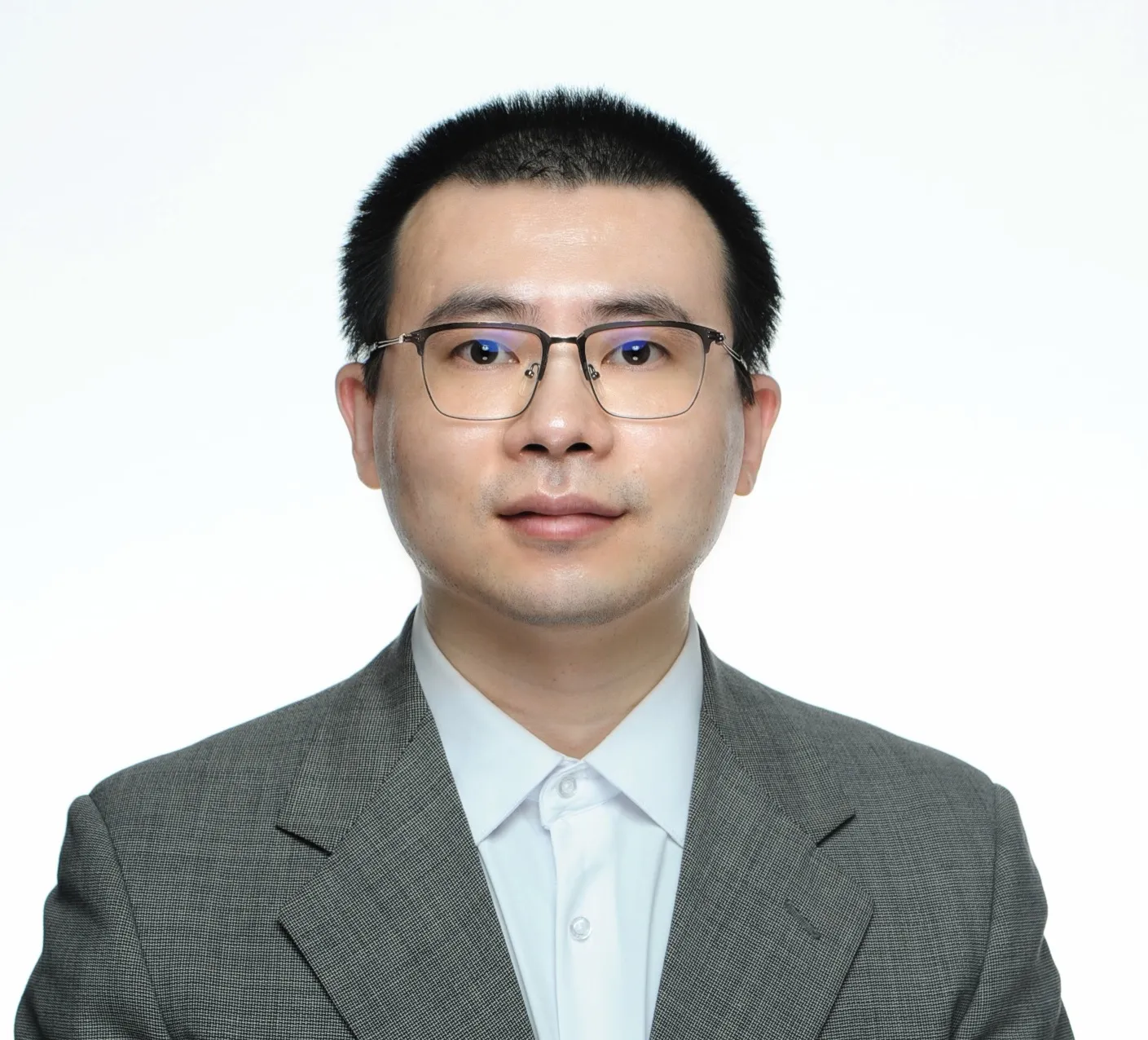
Mechanism of Hydrogen Evolution Reaction at the Buried Interface of Silica-Coated Electrocatalysts via First-Principles Modelling
Semipermeable oxide coatings can protect electrocatalysts in harsh environments without reducing catalytic performance, making them attractive for direct seawater electrolysis. Silica-coated platinum electrocatalysts have been extensively characterized by our collaborator (Dan Esposito and coworkers). Based on first-principles calculations, we determined that the buried SiO2/Pt interface is environment-dependent and changes with the pH value of the electrolyte and the electrode potential. This dynamic behavior motivated us to study the influence of silica coatings on the reaction mechanism. Stable configurations of the buried SiO2/TM (TM = transition metal) interface at hydrogen evolution reaction (HER) conditions were determined using density-functional theory (DFT) calculations. Extending our previous work, we calculated interface Pourbaix diagrams for different HER intermediates and activation energies for different reaction mechanisms. Our modeling results indicate that SiO2 membranes can alter the HER mechanism compared to bare TM surfaces. Besides the protective quality of silica membranes, this also points to the possibility of designing synergistic membrane-coated electrocatalysts.
Jianzhou Qu is a fifth-year Ph.D. candidate in Alexander Urban’s Group in Chemical Engineering. His research focuses on the atomistic modeling of electrocatalysts and battery materials with DFT. He has also been developing machine-learning force fields for simulating amorphous oxides. He is passionate about modeling and programming and has contributed to Python package development. He received his bachelor’s degree from Tsinghua University, China.
Abstract coming soon
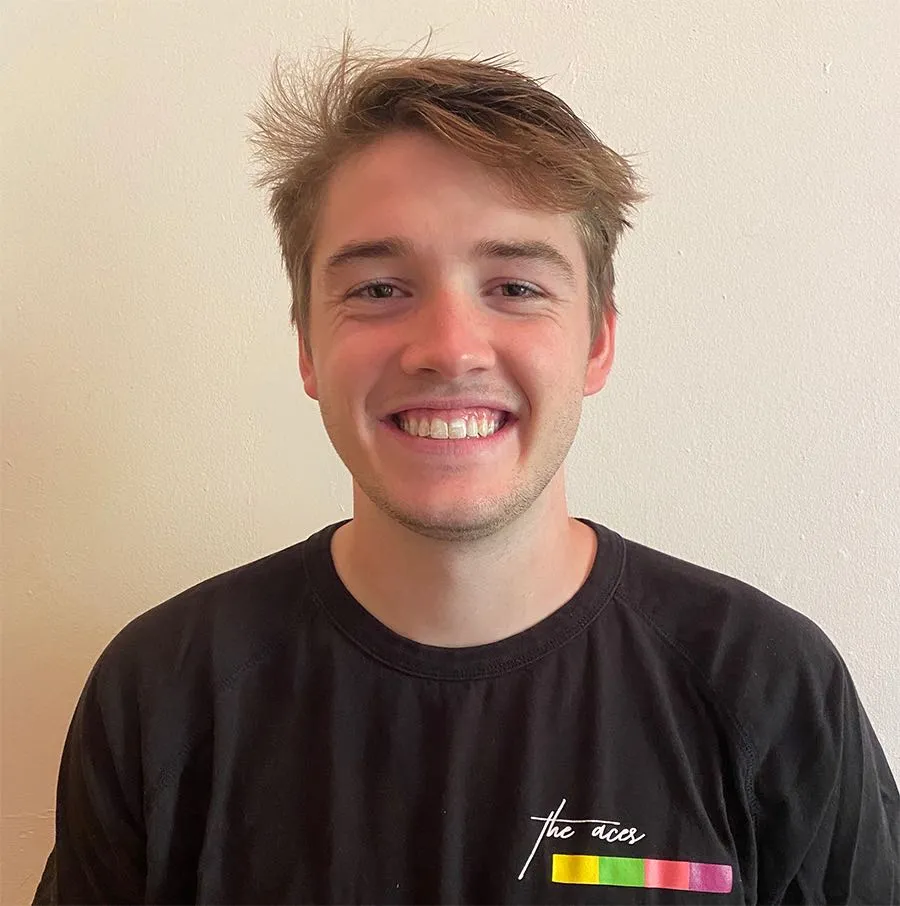
Challenging the Assumptions of Lithium Dendritic Shorting Safety Consequences in Lithium Cobalt Oxide Containing Lithium-ion Batteries
As the steady push for electrification continues, there is a growing need for more energy-dense storage devices. Lithium-ion batteries have dominated the market, in part, because of their high energy density and cycleability. An unfortunate consequence of the increased introduction of lithium-ion batteries in personal mobility devices is the sharp uptick in catastrophic safety events such as fires and explosions, especially in densely populated urban areas. One possible mechanism of these events is attributed to dendritic lithium shorting of the electrodes causing thermal runaway.
This work challenges the assumption that lithium dendritic shorting will cause catastrophic events. Using isothermal microcalorimetry (ITMC), differential scanning calorimetry (DSC), and a custom-built cell design for a controlled lithium-ion soft short, the total energy release of a soft short is quantified in operando. Then, via first-principles calculations and thermal reduction experiments, the total local temperature change during the shorting events were determined to be significantly lower than the temperature needed for thermal reduction and eventual thermal runaway in this system.
Bret Schumacher is a fourth year PhD student in the Earth and Environmental Engineering department coadvised by Dr. Lauren Marbella and Dr. Dan Steingart. His research focuses on evaluating the safety limits in energy storage systems using low cost, accessible calorimetric techniques. Before pursuing his PhD, Bret received a B.S. in Chemistry from NYU and was the CTO of a battery quality control startup.

A Quasi-Solid Polymer Electrolyte-Based Structural Battery with High Mechanical and Electrochemical Performance
Structural batteries are attractive for weight reduction in electric transportation. For their practical applications excellent mechanical properties and electrochemical performance are required simultaneously, which remains a grand challenge. In this study, we present a new scalable and low-cost design, which uses a quasi-solid polymer electrolyte (QSPE) to achieve both remarkably improved flexural properties and attractive energy density. The QSPE has a high ionic conductivity of 1.2 mS cm-1 and retains 91 % capacity over 500 cycles in graphite/NMC532 cells. Moreover, the resulting structural batteries achieved a modulus of 21.7 GPa and a specific energy of 127 Wh kg-1 based on the total cell weight, which to our knowledge is the highest reported value above 15 GPa. We further demonstrate the application of such structural batteries in a model electric car. The presented design concept enables the industrialization of structural batteries in electric transportation and further applications to improve energy efficiency and multifunctionality.
Gerald Singer is a materials scientist whose work is focused on high-performance lightweight materials for energy storage and structural applications. He worked in several successful industry-related research projects with the goal of improving the performance of carbon fiber-reinforced polymers for electric cars and polymer-based (nano)particle-reinforced composites of marked leading companies in Europe. After his graduation in Chemistry at Technical University Vienna, he received a PhD in materials science at University of Natural Recourses and Life Sciences Vienna. At UNSW Sydney he developed a polymer electrolyte for structural supercapacitors and currently works on structural batteries at Columbia University as Erwin-Schroedinger Fellow.
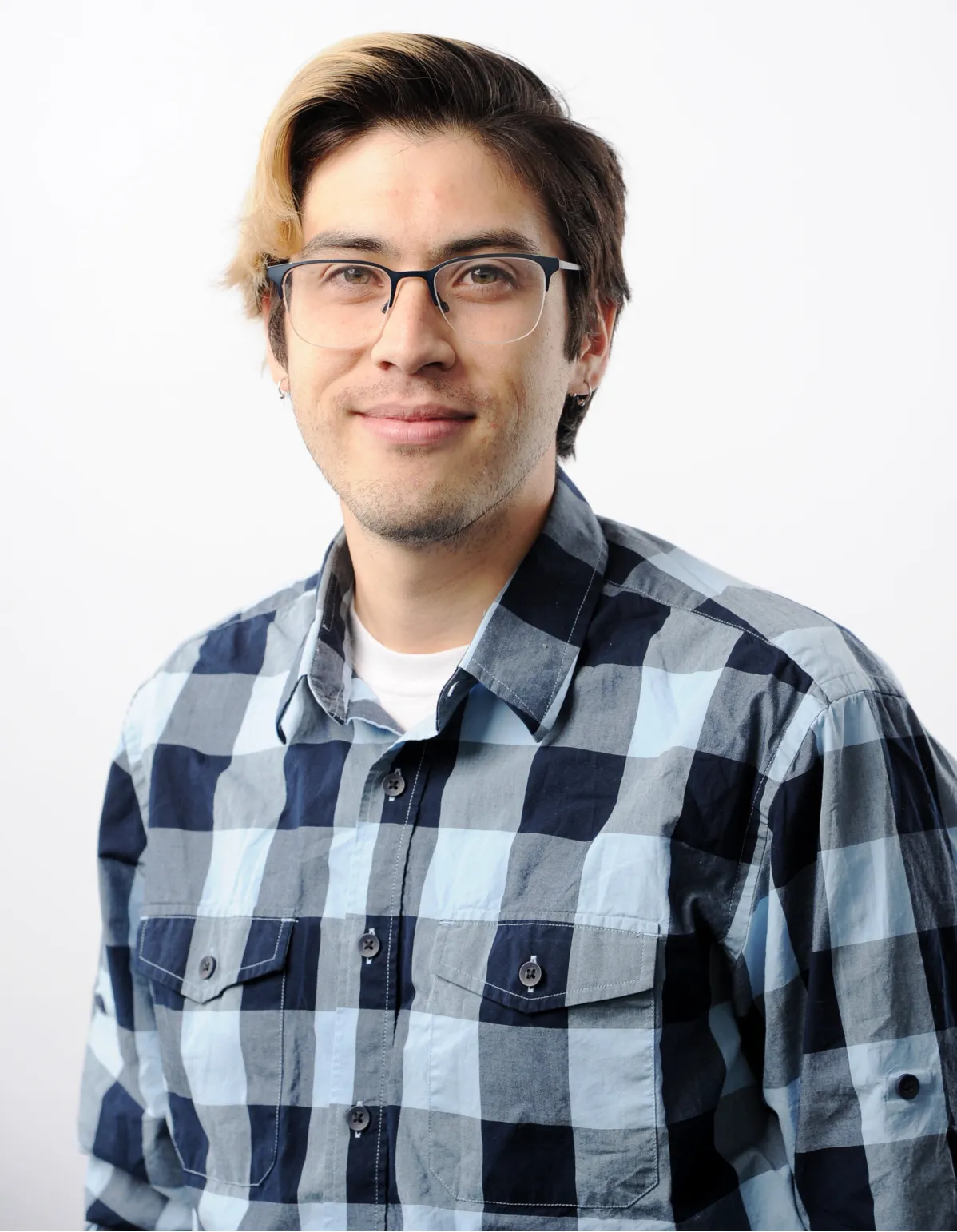
Design of Selective Interfaces and Catalysts For Higher Efficiency Photosynthetic Nanoreactors
Photocatalytic water splitting using ensembles of photosynthetic nanoreactors (EPN) holds great potential in the pursuit of the DOE Hydrogen Shot initiative to bring the cost of H2 to $1/kg by 2031. The main challenge is to increase overall solar-to-hydrogen conversion efficiency, while maintaining a high-level of stability. This multi-institutional effort (EPN) seeks to understand, predict, and control the activity, selectivity, and stability of solar water splitting nanoreactors in isolation and as ensembles. Here at Columbia, we seek to design tunable interphase layers for selective oxidation and reduction reaction sites, which increases both redox selectivities and charge separation, and thus overall efficiency. A critical need is spatial control over deposition of these interphase layers, selectively directing their growth on sites of reduction or oxidation. Toward this, we developed an area-selective atomic layer deposition (ALD) approach for a planar photocatalyst analog composed of interdigitated arrays of Pt and Au, which represent cocatalyst sites for reduction and oxidation, respectively. Selective deposition of nanoscopic oxide overlayers was first demonstrated on monometallic Pt and Au planar thin-film electrodes in which Au was selectively deactivated toward ALD growth through self-assembled thiol monolayers. The selectivity of TiOx ALD was assessed through ellipsometry, X-ray photoelectron spectroscopy, and cyclic voltammetry. In addition, interdigitated planar samples were exposed to the selective ALD procedure, and scanning electrochemical microscopy was used to probe the local activity of different regions of the patterned surface, showcasing similar electrochemical selectivity as with the monometallic samples. Additionally, efforts have been undergone to understand how different molecular catalyst, which boast long charge carrier lifetimes, behave under MOx overlayers. These efforts begin to integrate work between the different research thrusts and develop more efficient ensemble reactors.
William Stinson is a 3rd year chemical engineering PhD student in Prof. Daniel Esposito’s research group. Prior to Columbia, he obtained his Bachelor’s degree in chemical engineering from Northeastern University as well as worked for 3+ years in industry developing Aluminum-Seawater batteries. Will’s research in the Esposito Lab focuses on local electrochemical measurements for novel photocatalytic systems, and the development of selective nanoscopic coatings.

Electrochemical leaching and Characterization Studies for Copper and Nickel Concentrates
As the world continues to prioritize the transition towards clean and sustainable energy sources, copper and nickel have emerged as critical minerals due to their essential role in various energy technologies-from wind turbines to electric vehicles. It is therefore important to ensure the availability of low-carbon, sustainable copper and nickel.
In this work, both reductive and oxidative leaching methods were utilized as electron mediators to enable the leaching of copper and nickel sulfides under ambient conditions. Fast leaching kinetics for copper concentrate were obtained. The leaching products were analyzed by SEM-EDS, showing a radical change in morphology. A high copper recovery rate in the subsequent leaching demonstrated the advantages of the nanoparticle structure in future processing. Additionally, comprehensive reductive leaching kinetics for nickel concentrates were gathered via ICP-OES, and describe a process that preferentially leached iron from the concentrate. The resulting post-leached solids increased in the amount of nickel, whereas the mass percent of iron decreased significantly. Finally, both iron and nickel were able to be completely leached from the concentrate via reductive and oxidative leaching methods.
Tongwei Xu is a second-year PhD student in Chemical Engineering department. Her research in Dr. Alan West’s group focuses on investigating electrochemical leaching process for copper extraction. A specific focus of her research is designing compatible reactor for the leaching process and understanding the phase transformation mechanism during leaching via various characterization methods. Tongwei received her MS in Chemical Engineering from Columbia University and BS in New Energy Materials & Devices from Soochow University, China. The poster will be jointly presented with Brian Donovan (PhD student).
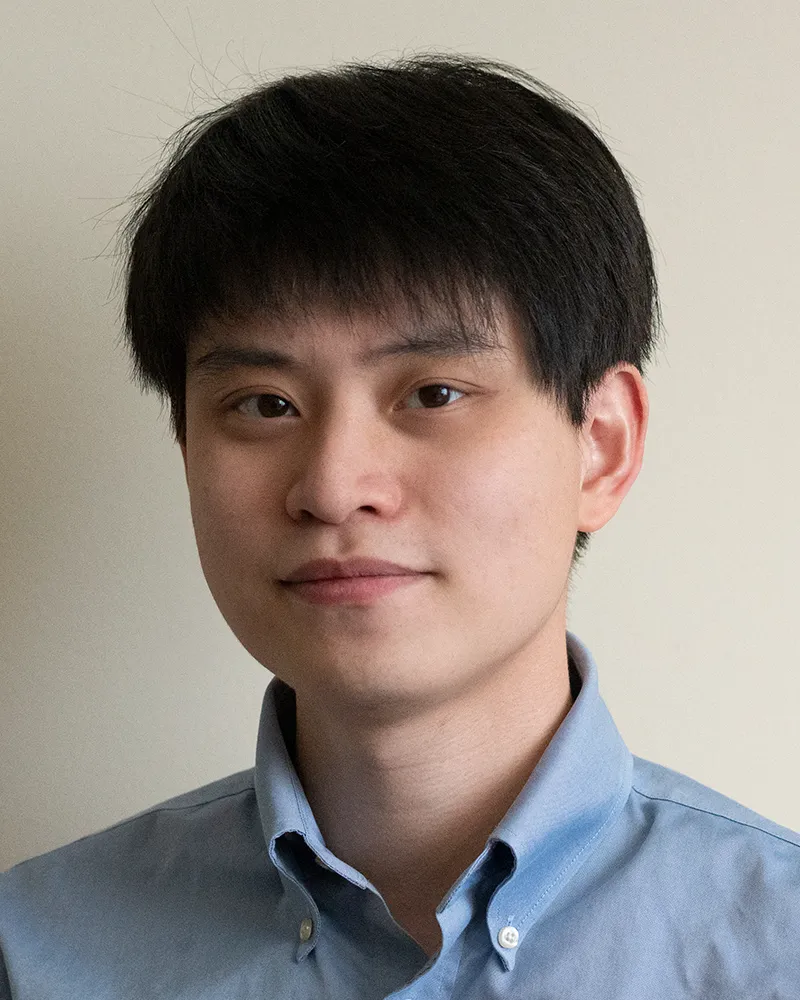
Arbitraging Variable Efficiency Energy Storage using Analytical Stochastic Dynamic Programming
Increasing penetration of renewable energy in power systems increases the fluctuation of electricity prices, and real-time market price arbitrage will become more profitable. Electrochemical battery energy storage can switch between full charging and discharging power in less than a second, providing it with a unique advantage to arbitrage real-time price differences. Although all system operators have allowed energy storage to participate in the wholesale energy markets, current market designs have difficulties in dispatching storage accurately, restricted by the capability of forecasting and the limitation of computation power. We propose a computation-efficient stochastic dynamic programming algorithm for solving energy storage price arbitrage considering variable charge and discharge efficiencies. The proposed approach is demonstrated using historical price data from four price zones in New York Independent System Operator, with case studies comparing the performance of different stochastic models and storage settings.
Ningkun (Nik) Zheng received a B.S. degree from Zhejiang University, Zhejiang, China in 2018; and a M.S. degree from Johns Hopkins University, Baltimore, MD, USA, in 2019. Before joining Columbia, he was a research assistant at Carnegie Mellon Electricity Industry Center, Carnegie Mellon University, Pittsburgh, PA, USA. His research interests include power system economic and energy storage.